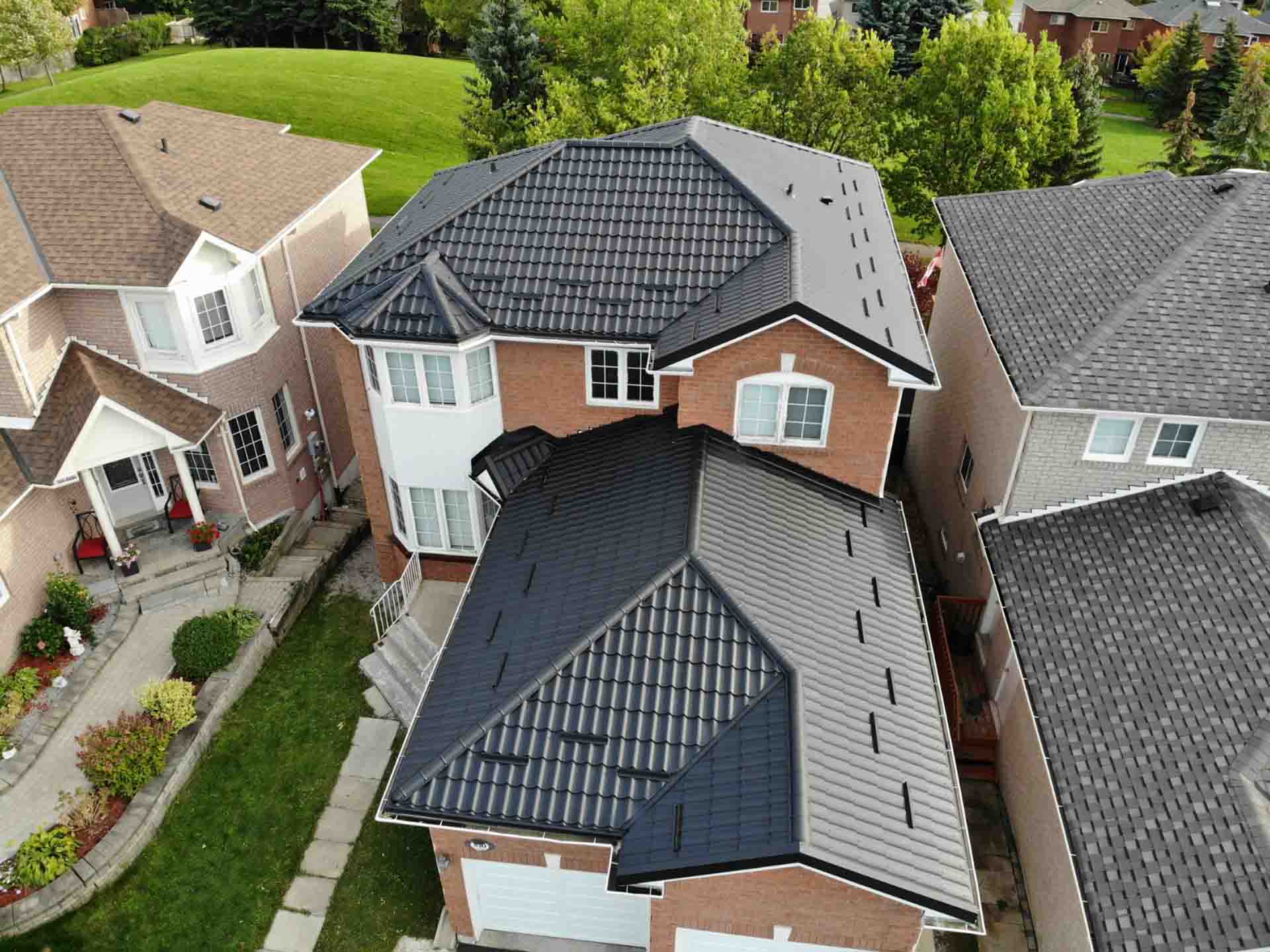
Metal roofing is designed to last for several years as long as it has been maintained properly. However, like many other household items, a time will come for you to replace the roof with a newer one. But how do you know if your metal roof needs to be replaced? Truthfully, this can be quite tricky. Nonetheless, here are some signs that can indicate it’s time to replace your metal roof.
High-quality metal roofs are renowned for their exceptional strength and longevity. However, no building material is immune to natural aging and environmental wear. Over time, harsh UV rays, seasonal freeze-thaw cycles, driving rain, and shifting temperatures take a toll on even the most durable installation. Knowing what warning signs to look for allows you to address structural degradation early. This protects your property value and prevents widespread interior water damage before a minor issue turns into a costly home emergency.
1. Discolored and corroded material
If you notice discolouration or corrosion on your metal roof, this can signify that your roof is rusting. When this happens, it can weaken the structural integrity of your roof and eventually lead to cracks, holes or leaks. These exposed spaces may also allow water to enter your home through the corroded and discoloured sections. Therefore, if you notice any rusting on your roof it may be time for a replacement.
Corrosion often begins in subtle ways, such as faint reddish-brown spotting around exposed fasteners, overlapping panel seams, cut edges, or low-slope drainage valleys where moisture tends to linger. As surface rust penetrates deeper into the protective zinc or Galvalume coating, it eats away at the underlying core metal, causing the panels to thin and lose structural rigidity. Once oxidation compromises the metal base, localized spot repairs are usually only temporary fixes, making a comprehensive roof replacement the most secure and cost-effective long-term solution.
2. Your roof is too old
Generally, most manufacturers will tell you that their roofing materials can last for about 30 or more years. You should take note of the projected lifespan of your roof. Once it is over 30 years old, you should start looking to replace your roof. In some cases, you may need to replace your metal roof earlier. For instance, if you live in a place that experiences extreme weather conditions such as acid rain or heavy snowfall, it can increase the rate of wear and tear on your roof.
An aging roof might appear perfectly intact from ground level. However, underlying structural components—like synthetic underlayment, rubber flashing boots, sealant tape, and fastener washers—degrade significantly after decades of thermal expansion and contraction. Older legacy systems can also lack key modern engineering advantages. These include advanced standing seam interlocking technology and specialized solar-reflective cool-roof coatings. Replacing a 30- to 50-year-old metal roof restores total weather protection. At the same time, it elevates your home’s thermal efficiency, lowers monthly energy costs, and significantly boosts overall curb appeal.
3. Flimsy and brittle material
When in good condition, your metal roof should be thick and dense. Unfortunately, corrosion can damage the steel of metal roofs, forcing them to be brittle and flimsy. This causes the roofing material to crack or degrade easily and quickly, leading to a wide variety of problems such as holes and leaks in your home. If you notice that your roof is flimsy and brittle you should consider replacing it immediately.
Healthy metal panels are engineered to flex slightly under wind uplift and heavy snow loads without cracking, buckling, or warping out of shape. However, years of chemical exposure, standing moisture, extreme temperature swings, and advanced surface oxidation strip the metal of its structural resilience, leaving it dangerously brittle. When panels become soft, paper-thin, or prone to cracking under light foot traffic during routine maintenance checks, the system has reached the end of its functional life cycle and must be replaced to safeguard your roof deck framing.
4. Loose panels
Much like loose or missing shingles, loose panels on your metal roof can cause major problems. Loose roofing panels can happen because of rainstorms, high winds or heavy snowful. Keep in mind that loose roofing panels will likely lead to leaks, which can also damage some of your household items. To prevent further damage to your home, make sure you replace your metal roofing as soon as possible.
When panels lift, shift, or rattle in high winds, the root cause is frequently backed-out or deteriorated fasteners whose rubber neoprene washers have dried out, cracked, or rotted away. Once wind catches a loose panel edge, it creates a leverage effect that pulls neighbouring fasteners directly out of the wooden roof decking, breaking the watertight seal along panel seams. This allows wind-driven rain to seep underneath the panelling, where hidden water infiltration silently rots structural plywood decking, dampens attic insulation, and causes mould growth inside interior walls.
5. Worn paint
Paint acts as an extra waterproof coating for metal roofs. However, unstable temperature, falling debris, and other factors can make the paint of your roof wear out. Consequently, your roof will lose its additional coating, and water may start leaking into your home.
Factory-applied finishes, such as premium Kynar 500 or PVDF resin coatings, protect raw steel panels from moisture, oxidation, and destructive UV radiation. Over time, severe weather or micro-scratches from overhanging branches cause this protective paint film to chalk, peel, chip, or flake away. Once that happens, the underlying bare metal is left completely defenceless against atmospheric moisture. While minor cosmetic touch-ups can fix newer roofs, widespread coating breakdown across older panels shows that factory protection has failed. This signals that a full system upgrade is necessary.
Takeaway
If you noticed any of the signs mentioned above happening in your home, it may be time for a metal roof replacement. Contact a roofing company today for professional advice on metal roofing replacement!
Investing in a high-grade replacement metal roof provides lasting peace of mind. It delivers superior energy performance and complete defence against extreme weather for decades to come. Professional roofing contractors can perform a comprehensive, hands-on inspection to evaluate your attic underlayment and structural decking. From there, they will guide you toward the perfect metal shingle or standing seam system tailored to your home’s architectural style and regional climate.