
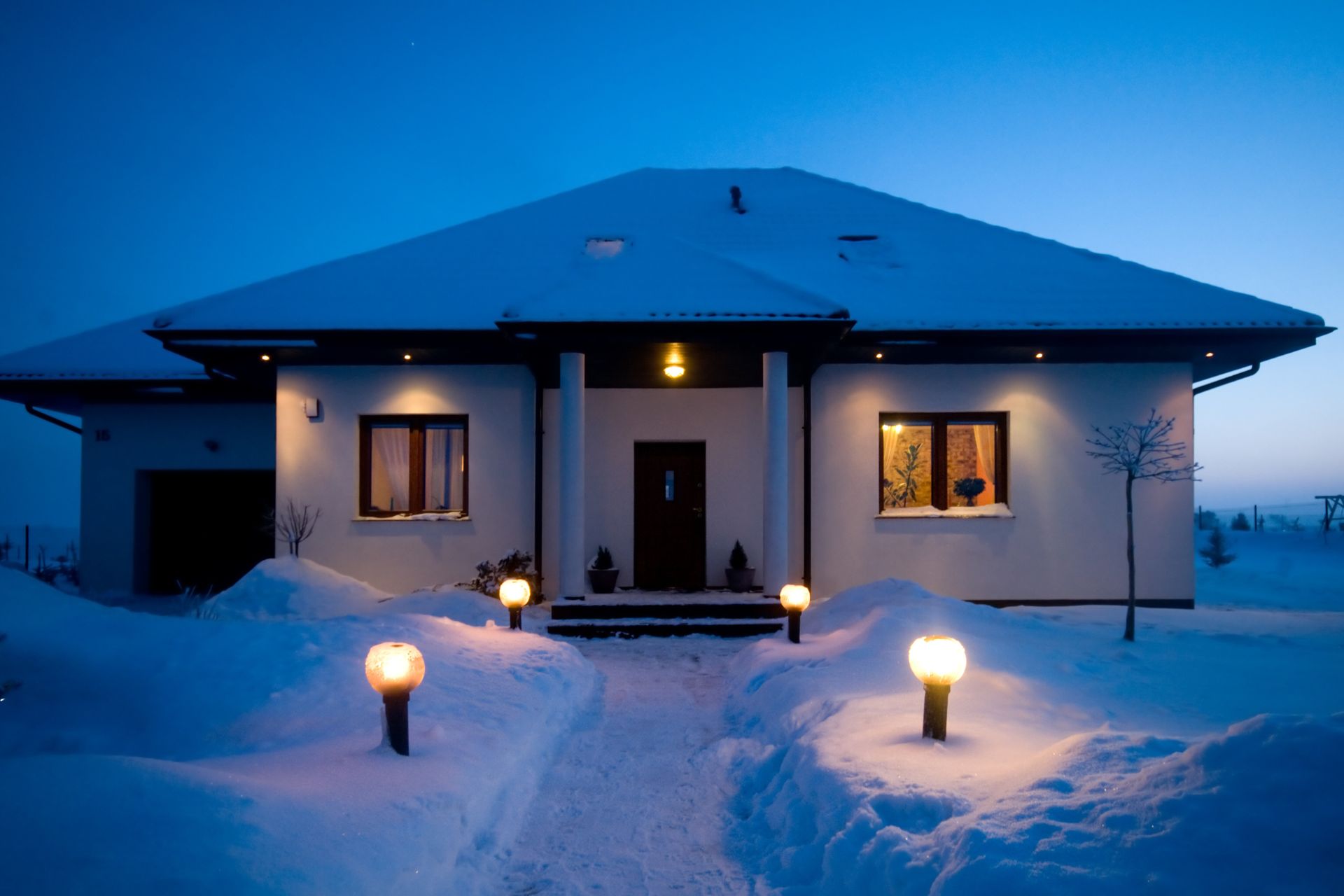
When temperatures drop and snow begins to pile up, not all roofing materials perform the same. For homeowners in Canada’s cold weather climates, metal roofing stands out as one of the most reliable and efficient options available. Its ability to shed snow, resist ice buildup, and withstand extreme temperature swings makes it ideal for regions with harsh winters. And while many homeowners focus on furnace repair to stay warm during the cold months, ensuring the roof above is equally reliable is just as important for maintaining consistent indoor comfort and energy efficiency. Unlike asphalt shingles that can crack or curl under freezing conditions, metal panels remain strong, durable, and low-maintenance — ensuring protection when it’s needed most. This guide will help homeowners understand what makes metal roofing the superior choice for cold-weather performance, from engineering design to long-term energy efficiency.
The Challenges of Cold-Climate Roofing
A Canadian winter is a roof’s ultimate stress test. It presents a gauntlet of challenges that standard materials struggle to endure. The first is the sheer, crushing weight of heavy, wet snow, which can place enormous stress on a home’s structure. The second, and most destructive, is the formation of ice dams. This occurs when heat escaping from a poorly insulated attic melts the snowpack from below. This meltwater runs down the roof until it hits the cold eave, where it refreezes, forming a “dam” of ice. Water then pools behind this dam, seeping under shingles, where it can cause leaks, rot the roof deck, and destroy interior drywall.
Beyond snow and ice, the daily freeze-thaw cycle is brutal on porous materials. Asphalt shingles absorb a small amount of moisture during a mild day. When temperatures plummet overnight, that trapped water freezes, expands, and breaks the shingle apart from the inside out. This process dislodges the protective granules, accelerates cracking, and shortens the roof’s lifespan. Add to this the high-velocity winds of winter storms, which can easily lift and tear off shingles, and it becomes clear that a roof in a cold weather climate needs to be exceptionally resilient.
How Metal Roofing Handles Snow and Ice
Metal’s biggest advantage in winter is its smooth, low-friction surface. Unlike gritty asphalt shingles that are made to hold snow, metal panels are designed to shed it. As snow builds up, the sun’s warmth heats the metal surface — even on very cold days — breaking the bond between the ice and the panel. The snowpack then slides off naturally, relieving pressure on the home’s structure. This self-shedding action helps prevent the buildup that causes structural strain and ice dams, since snow rarely stays in one place long enough to start the melt-refreeze cycle.
However, this “avalanche” effect can create hazards over walkways, driveways, and entrances. That’s where snow guards become essential. These small but sturdy devices are engineered to hold snow in place, allowing it to melt gradually and safely. They help prevent property damage and injury below while maintaining the roof’s integrity. The result is the best of both worlds — the roof stays free from heavy loads and ice dams, and the ground below remains protected from sudden snow slides.
Durability in Extreme Temperatures
This is where the difference in choosing between metal roofs and shingles becomes most apparent. Metal is non-porous, meaning it does not absorb water. The freeze-thaw cycle that destroys an asphalt shingle has no effect on a metal panel. It cannot be split, cracked, or broken apart by expanding ice. This immunity is what allows metal to remain strong, flexible, and fully protective even during rapid temperature swings from a sunny afternoon to a frigid night. It will not curl, crack, or lose its protective granules.
A common question is whether metal warps from this expansion and contraction. High-quality metal roofing systems are specifically engineered to accommodate this movement. Modern standing-seam roofs use a “floating clip system.” The panels are not rigidly pierced with fasteners. Instead, they are held by clips that allow the panels to expand and contract (slide microscopically) with the temperature changes. This professional installation technique prevents stress on the fasteners, eliminates “oil canning” (warping), and ensures the roof remains secure and watertight for decades.
Energy Efficiency and Insulation Benefits
Many homeowners associate reflective “cool roofs” only with summer cooling, but the system provides a massive benefit in winter. A modern metal roof is one part of a complete system for a weather-resilient home, which includes proper attic insulation and ventilation. This system works together to create a “cold roof deck,” which is the ideal scenario for winter. This cold, ventilated space prevents the home’s paid-for heat from escaping through the attic and melting the snow from underneath.
This directly connects to the furnace. A roof system that keeps the heat inside the living space, where it belongs, dramatically reduces heat loss. This, in turn, reduces the strain on the furnace. The heating system runs less often and more efficiently, saving money on heating bills. By preventing this overwork, a high-performance roof can even reduce the likelihood of a mid-winter breakdown and the need for furnace repair.
Minimal Maintenance During Harsh Weather
Winter maintenance for an asphalt roof is often reactive. After a wind storm, homeowners must check for missing or lifted shingles. After a heavy snow, they may need to use a roof rake to prevent structural overload or ice dams. This is a constant source of worry and labour. A metal roof, by contrast, is proactive. Its engineered design prevents these problems from occurring in the first place. There are no shingles to be blown off and no granules to clog the gutters.
The “maintenance” for a metal roof is minimal and preventative. It involves a simple inspection in the fall to ensure gutters are clear and flashings are sound, and another in the spring to check that all components are secure after the winter. This low-maintenance reliability is a massive advantage, offering peace of mind when the weather is at its worst.
Longevity and ROI
The financial bottom line is simple: a metal roof is, for most homeowners, the last roof they will ever buy. A properly installed metal roof can last 40 to 70 years. In a harsh cold weather climate, a standard asphalt shingle roof may only last 15 to 20 years. This means a homeowner will likely pay to replace their asphalt roof three, or even four, times within the lifespan of a single metal roof.
While the initial cost of metal is higher, the long-term return on investment is massive. The payback comes from eliminating re-roofing costs, the annual energy savings from lower heating bills, and the near-zero cost of maintenance and repairs. Furthermore, a metal roof adds significant resale value. A 15-year-old shingle roof is a major liability in a home sale, but a 15-year-old metal roof protects your home and is a valuable asset with a 35+ year transferable warranty.
The Cold, Hard Facts: Why Metal Wins Winter
A metal roof is not just a covering; it is an engineered system designed to defeat the specific, compounding challenges of a cold weather climate. It actively manages heavy snow, it eliminates the threat of ice dams, and it is immune to the freeze-thaw cycles that destroy other materials. It offers an unmatched combination of protection, energy efficiency, and long-term peace of mind.
While a furnace keeps the inside warm, a metal roof ensures that warmth stays put. Homeowners are encouraged to schedule a professional roofing inspection this fall to see if their current roof is truly ready for winter. Explore the different metal roofing profiles and systems available, as they are specifically designed to provide a lifetime of protection for homes in northern climates.