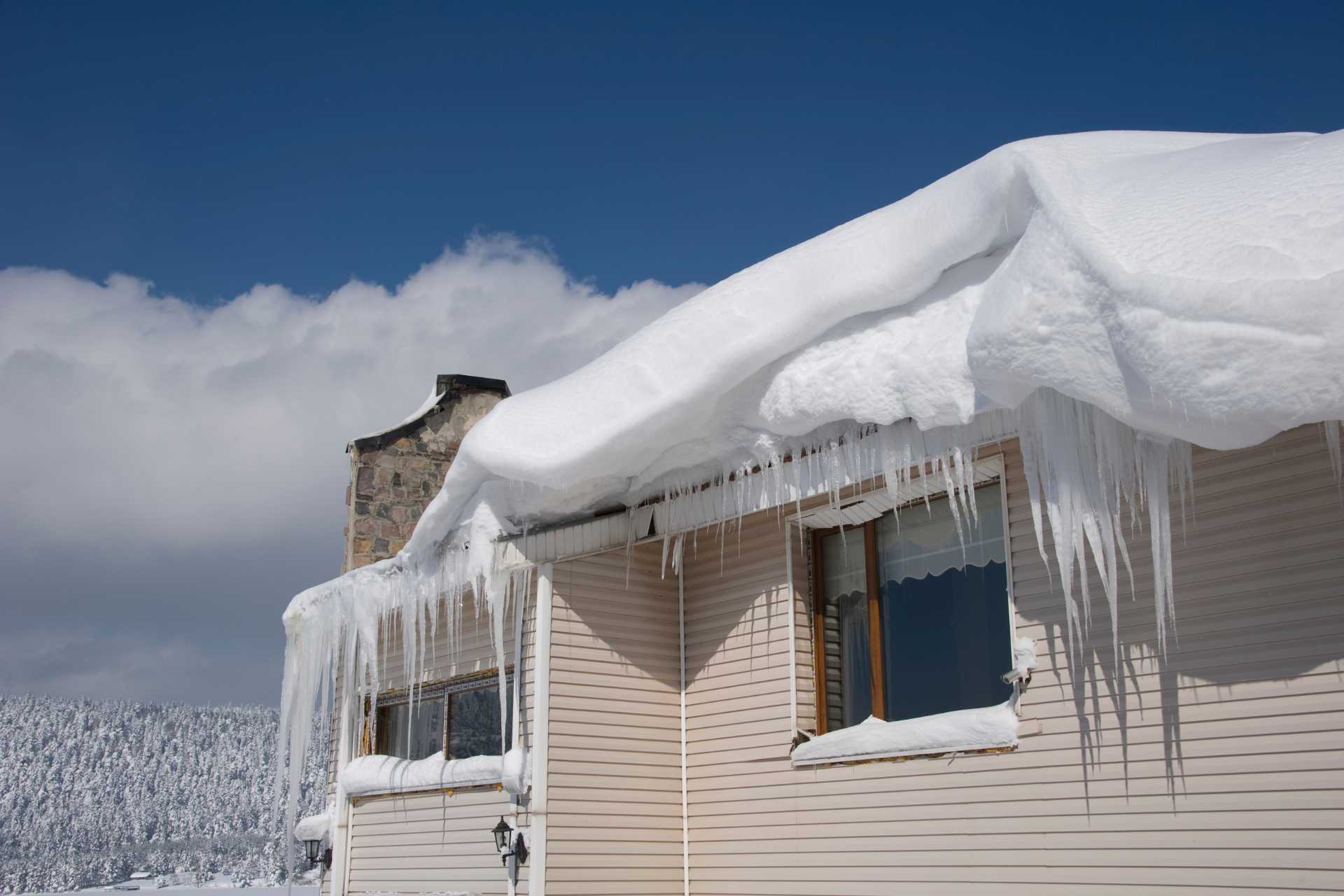
Winter in Canada presents a picturesque, yet demanding, environment for homes, where the hidden and relentless process of freezing and thawing poses a perpetual threat to the roof’s integrity. This destructive sequence, known as the freeze-thaw cycle, occurs whenever water penetrates building materials, freezes, expands by nearly one-tenth, and then thaws, leading to constant internal stress and eventual structural failure. Traditional materials readily absorb moisture, making them highly susceptible. Addressing this severe vulnerability demands a material engineered for absolute resistance, and metal roofing is recognized as the superior, long-term defence against this climate-induced deterioration. This advanced material, combined with robust exterior water management, including scheduled catch basin cleaning, ensures moisture is rapidly moved off the roof and safely away from the foundation, safeguarding the entire property.
The Vulnerability of Traditional Roofing Materials
Traditional roofing materials commonly used across Canadian subdivisions struggle immensely with water absorption, which is the root cause of freeze-thaw damage. Asphalt shingles, for example, rely on granular surfacing for UV protection, but as this surfacing erodes over time, the underlying fiberglass mat becomes exposed and highly porous. This allows water to saturate the material, turning the shingle itself into a host for destructive ice formation. Similarly, organic materials like wood shakes and conventional tiles possess inherent capillaries that readily draw in and hold moisture, accelerating their decay in cold climates.
The mechanism of failure in these porous materials is straightforward and relentless. Once moisture penetrates, the expansion of freezing water acts like a tiny lever, creating blisters, forcing materials apart, and widening existing gaps. This constant push-and-pull movement also applies immense pressure to the fasteners holding the roof system together, gradually loosening nails and screws. This loosening action exposes the underlying structural deck to direct water entry, further compromising the roof’s integrity and accelerating the need for expensive structural repairs down the line.
Metal Roofing’s Defence: The Core Mechanisms
The fundamental advantage of metal roofing lies in its absolute impermeability. It simply refuses to absorb water. Materials such as steel, aluminum, and copper are inherently non-porous. This means water cannot soak in. It eliminates the necessary condition for the freeze-thaw cycle to cause internal structural damage. The smooth, often factory-applied coating on these panels further encourages rapid water runoff. This ensures that moisture is shed quickly and efficiently before it can settle or penetrate. This is a crucial distinction from porous materials that actively retain water.
Beyond the material’s composition, the engineering of metal roofing systems is designed specifically for water tightness and longevity. Modern systems, particularly standing seam panels, employ raised seams and often utilize concealed fasteners. These design elements ensure that the majority of seams and all fastening points are elevated above the water plane. They are completely shielded from direct contact with precipitation. Furthermore, the use of high-quality gaskets and specialized sealants ensures that connections remain watertight. This effectively mitigates any opportunity for water to infiltrate the roof deck, even under heavy rains or deep snow loads.
Managing Snow and Ice
In Canadian winters, a roof’s ability to handle heavy snow loads is paramount, and metal roofing excels at managing this challenge. Due to the material’s inherent smoothness and low coefficient of friction, snow does not accumulate and adhere to the surface as readily as it does on rough, granular shingles. Instead, it tends to slide off the roof surface quickly and cleanly once a sufficient load or temperature shift occurs. This rapid snow shedding minimizes the duration that the snowpack is present on the roof, consequently reducing the opportunity for meltwater to soak into the material and subsequently refreeze, which is a major contributor to the freeze-thaw problem.
It is important to understand that the lifespan and performance of a metal roof are supported by a well-designed attic space. Maintaining a cold roof temperature through superior insulation and adequate ventilation in the attic is key to preventing ice dams—thick ridges of ice that form at the eaves. Ice dams are caused when heat escaping from the home melts the snow in the middle of the roof, and the resulting water refreezes when it hits the colder eave. While metal roofing itself is immune to the structural damage caused by this ice, snow and ice may cause corrosion if the material or its coating is substandard, though high-quality materials are specifically designed to resist this. Proper thermal management of the home is essential for the entire roofing system to perform optimally.
Long-Term Resilience and Value
A key advantage of metal as a roofing material is its dimensional stability. It also offers high tolerance for movement. All construction materials expand and contract with changes in temperature. However, metal panels are specifically engineered to manage this thermal cycling. They do so without sacrificing their structural integrity. Traditional materials often crack and separate due to thermal movement. In contrast, metal systems incorporate specific design features. These features allow panels to move slightly and independently. This ability to flex under pressure is vital. It ensures the system maintains its watertight seals. It also allows the roof to continue protecting the underlying structure for decades. This makes metal roofing a superior long-term investment.
By providing a non-porous and highly durable shield, metal roofing effectively preserves the integrity of the underlying roof deck. The deck is the true structural element of the roof. Preventing consistent leaks maintains a dry environment. This stops the deterioration of the wooden deck. It also preserves the effectiveness of the attic insulation. This built-in resilience translates directly into lower maintenance costs over the system’s lifespan. It also results in an extended service life for the entire roof structure. Ultimately, when you’re planning a full exterior remodel, consider installing a metal roof. It is not just a necessary upgrade. It is a preventative measure that significantly enhances the home’s overall durability and resale value.
The Investment That Pays Off in Perpetual Protection
The freeze-thaw cycle is a powerful, seasonal threat that challenges all homes in colder climates. While traditional roofing materials degrade incrementally under this pressure, metal roofing systems offer a proactive, highly engineered solution. Their non-porous surface, coupled with sophisticated sealing and fastening techniques, creates a robust, impenetrable barrier that ensures water is shed, not absorbed. This comprehensive protection preserves the home’s structure, keeps insulation dry and effective, and drastically reduces the need for expensive, emergency winter repairs, culminating in a truly weather-resilient home. Choosing metal is an investment in unparalleled, decades-long durability, offering a genuine sense of peace of mind throughout the harsh Canadian winter.