
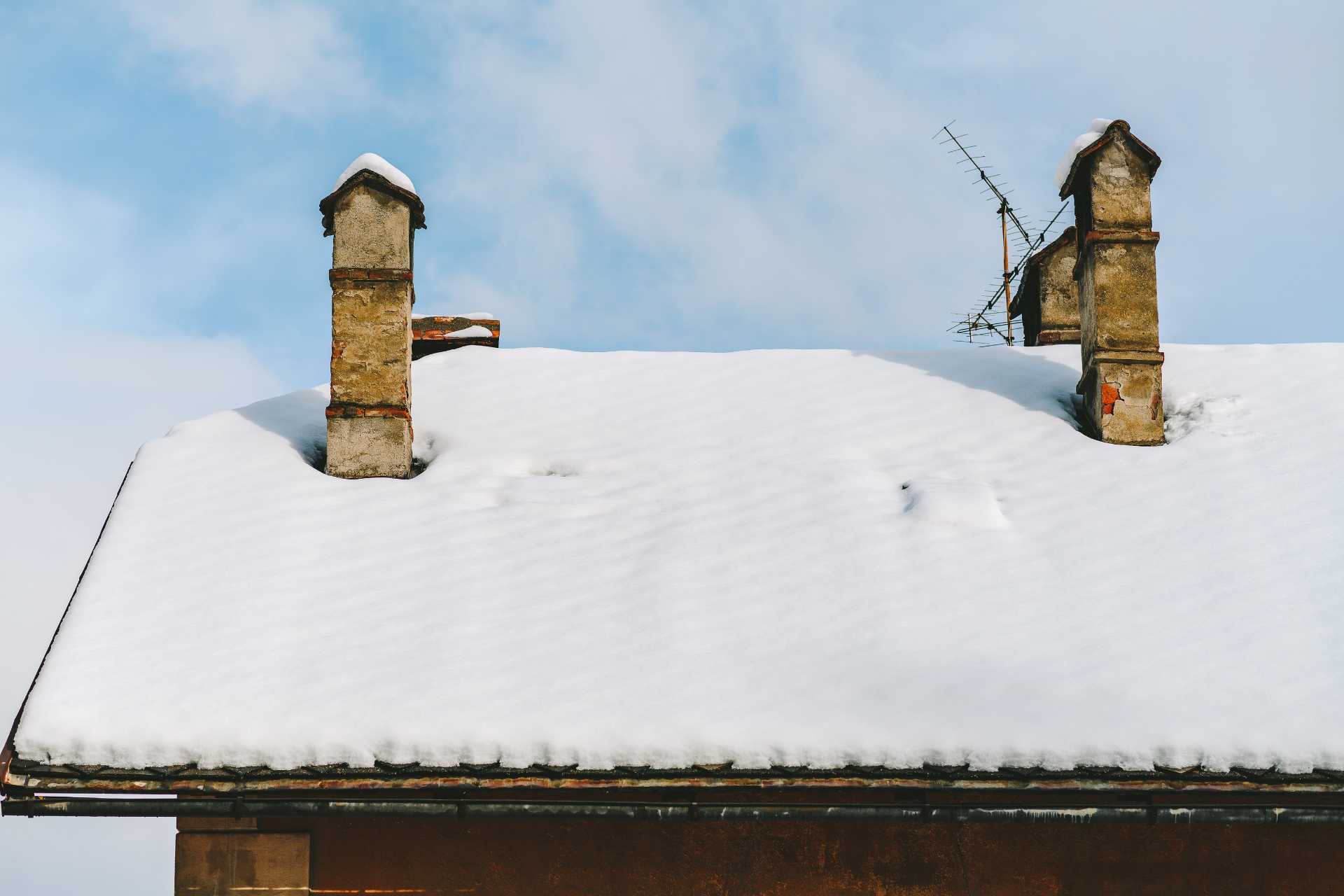
When the first snowfall blankets a home, the scene is often one of tranquillity. Yet, this peaceful veneer can conceal major structural vulnerabilities, particularly on old roofs. Winter is the ultimate stress test for any roofing system. The unrelenting combination of heavy snow loads, persistent ice buildup, and the cyclical freezing and thawing of water exploits every weakness an aging roof possesses. These weaknesses include brittle shingles, degraded underlayment, and minor gaps that go unnoticed during warmer months. These age-related flaws quickly escalate into severe structural problems. These problems include active leaks, attic moisture infiltration, and significant heat loss. This drastically strains the home’s structure and drives up energy bills. The integrity of the roof becomes highly visible during this period. It is often scrutinized by home inspectors, potential buyers, or even a real estate lawyer reviewing disclosure obligations.
Understanding the specific signs of winter roof fatigue is essential for homeowners. This allows them to proactively prevent costly damage and protect the home’s integrity and future market value. A comprehensive assessment may even lead a homeowner to consider whether metal roofing might offer a long-term solution against these perennial cold-weather stresses.
The Critical Vulnerabilities of Ageing Materials
Years of relentless climate exposure inherently compromise the protective materials of old roofs. Asphalt shingles, the most common material, are especially susceptible. Prolonged exposure to intense solar radiation in summer and extreme cold in winter causes the shingles to dry out. As the essential protective mineral granules are shed, the brittle asphalt base is exposed, making it prone to cracking and shattering under the weight of ice or during rapid thermal cycling. Equally critical is the failure of the thermal adhesive sealant strips—often called the “tar line.“ The constant expansion and contraction of the roof structure over many seasons cause these adhesive strips to lose their grip, allowing wind and driving rain or snow to penetrate beneath the shingles, bypassing the initial water-shedding layer.
The layers beneath the visible shingles also degrade with time. The underlayment, the protective membrane installed directly on the roof deck, plays a vital role in secondary water resistance. With age, this material can become dried out, thin, and brittle, making it easily fractured by shifting ice or by minimal movement in the roof deck. Similarly, the metal flashing installed around critical penetrations like vents, chimneys, and valleys often suffers from corrosion, lifting, or cracking. This lifting or cracking creates direct, unimpeded entry points for water, which is then channelled directly into the attic. Once the integrity of the underlayment and flashing is compromised, the roofing system is essentially reduced to its superficial layer, and the home becomes highly vulnerable to severe moisture damage.
Visible Signs of Winter Roof Failure
Ice Dams and Eave Damage (The Water Backup)
One of the clearest indicators that old roofs are failing to manage heat and water flow is the formation of ice dams. An ice dam is a thick ridge of ice that forms precisely at the roof’s cold edge, typically above the unheated eaves. The underlying cause is poor attic ventilation and insulation, which allows interior heat to escape and melt the snow higher up the roof. The resulting meltwater flows down until it hits the cold eaves, where it instantly refreezes, creating a barrier. This ice barrier traps subsequent meltwater, forcing the pooling water backward and upwards beneath the shingles. This process leads to catastrophic leaks, attic saturation, and rot in the fascia and soffit. Observing ice dams is often the first visible confirmation that it’s time for a roof replacement or, at minimum, a major ventilation and insulation overhaul.
Sagging and Structural Distress (The Weight Problem)
The sheer weight of accumulated heavy snow and ice is enough to expose structural weaknesses in old roofs. These weaknesses may be due to past water damage, inadequate original framing, or material deterioration over decades. Visible sagging of the roof line is a critical warning sign. This sagging may appear particularly between rafters, or it might be evident as obvious dips and valleys in the snow cover that do not align with the natural slope. Such structural distress indicates that the underlying decking or framing is overloaded and failing to support the weight. Ignoring this physical deformation risks widespread failure, particularly when combined with water damage. Addressing this quickly may require homeowners to begin choosing between replacing and repairing their roof immediately to avoid dangerous collapse scenarios.
Interior Indicators (The Hidden Damage)
While visible roof problems are clear warnings, internal indicators often reveal hidden damage that has been accumulating for some time. Water stains, peeling paint, or a damp, musty odour on the ceiling or upper walls directly indicate active leaks and moisture ingress from the roof. Homeowners should also pay attention to excessive drafts and cold spots near exterior walls. These are typically caused by age-related gaps and air leaks in the old roof’s structure or compromised decking. These gaps allow conditioned air to escape and unconditioned cold air to infiltrate. This dramatically reduces the home’s thermal performance, resulting in significant and immediate spikes in heating expenses that serve as a hidden cost of an aging roof.
Winter Roof Condition and Property Value
Impact on Energy Efficiency
The cumulative effect of damaged shingles, brittle underlayment, and wet insulation dramatically diminishes the home’s insulating capabilities and overall R-value. When insulation becomes compressed or damp due to leaks, its ability to resist heat flow is severely curtailed. This lost efficiency translates directly into a home that is cold, uncomfortable, and costly to heat, leading to sustained, significant increases in utility bills throughout the winter. Addressing these insulation and air sealing deficiencies is just as important as the roof repair itself. Considering that metal roofing can be installed over existing roofs in some cases, homeowners have options to upgrade protection without the immediate full tear-off expense, providing a clear path to improving energy efficiency.
The Disclosure and Inspection Factor
Winter conditions are often the most revealing for home inspection purposes. Home inspectors frequently find irrefutable evidence of past or current issues, such as visible ice dam remnants, tell-tale water stains in the attic, or structural fatigue, during cold-weather inspections. For homeowners intending to sell, these major roof issues—once documented—must be disclosed. When a real estate lawyer or the buyer’s agent reviews these disclosure documents, documented roof failure can lead to severe issues. These can include mandatory price reductions, significant negotiation costs, extended escrow periods, or the complete collapse of a sales agreement, proving that structural neglect directly compromises the property’s market value.
Preventing Costly Catastrophe
The cost of ignoring the clear winter warning signs of an aging roof far outweighs the expense of preventative maintenance or a planned replacement. Early action, such as clearing ice dams safely, improving attic ventilation, or making minor flashing repairs, acts as a crucial insurance policy. Delaying action can quickly lead to catastrophic damage, such as widespread mould growth, major wood rot requiring structural carpentry, or even partial ceiling collapse due to saturated materials. Proactive maintenance ensures the home’s safety and prevents the spiral of escalating damage that defines a failed roofing system.
The Inspection That Keeps the Bills Down
Winter is the definitive and unforgiving test of the viability of old roofs. The clear warnings—ice dams, drafts, and visible leaks—are not mere annoyances. They are urgent indicators of structural fatigue and energy waste. The cost and disruption associated with ignoring these signs are significant. This is especially true given the risk of major structural damage and lost market value. These costs far outweigh the investment required for a thorough, professional inspection and preventative maintenance. Homeowners with older properties should prioritize seeking a comprehensive pre-winter roof and attic assessment. This ensures both structural integrity and maximal energy efficiency are maintained through the coldest months.