
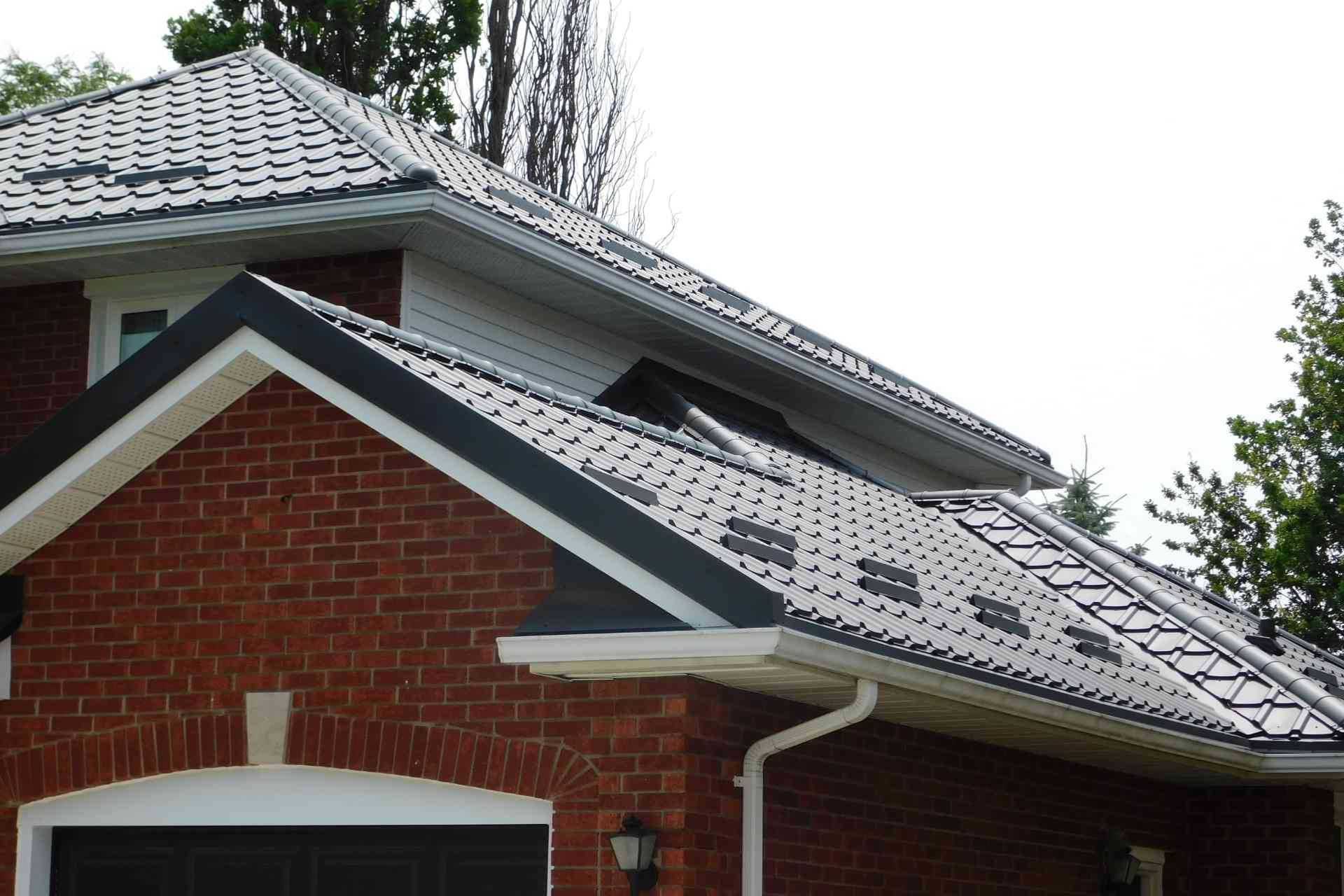
When property owners are considering buying a new roof, one of the most common decisions involves choosing between asphalt shingles and metal roofing. Asphalt remains widely used and familiar, while metal has steadily grown in popularity for both residential and commercial applications. The choice often feels straightforward at first, especially when upfront costs are part of the discussion.
However, roofing decisions rarely exist in isolation. Just as exterior elements like siding contribute to long-term durability and efficiency, the roofing system plays a critical role in protecting the structure over decades. This article takes a practical look at the pros and cons of asphalt and metal roofing, focusing not only on initial cost but on which option tends to hold up better over time.
Understanding the Basic Differences Between Asphalt and Metal Roofing
Asphalt shingles are composed of a fibreglass or organic base layered with asphalt and topped with mineral granules. They are installed in overlapping rows and are designed to shed water down the slope of the roof. Because they have been used for decades, asphalt shingles are often the default option when choosing for residential and commercial roofing, especially in projects where familiarity and initial cost are key considerations.
Metal roofing systems consist of interlocking panels or sheets made from steel, aluminum, or other metal alloys. These panels are secured to the roof deck using specialized fastening methods. They are engineered to manage expansion, contraction, and water runoff differently than shingles. Unlike asphalt, which relies on layered coverage to shed water, metal roofing acts as a continuous protective surface. This design supports long-term durability and structural strength. Over time, that structural integrity becomes one of its most significant advantages.
Upfront Cost vs Long-Term Investment
One of the main reasons asphalt remains popular is its lower initial price. The materials are generally less expensive, and installation is familiar to many contractors. For property owners focused primarily on short-term budgeting, asphalt often appears to be the more affordable choice.
Metal roofing typically comes with a higher upfront investment. However, evaluating roofing purely on installation cost can overlook how long each system lasts and how often it needs to be replaced. Over a span of 30 to 50 years, asphalt roofs may require multiple replacements, while metal roofs outlast traditional roofing materials in most long-term performance scenarios. When viewed through a lifecycle cost lens rather than a single installation, metal often proves to be the more economical option over time.
Lifespan and Durability Under Real-World Conditions
Lifespan is one of the clearest distinctions between asphalt and metal roofing. Asphalt shingles typically last between 15 and 25 years, depending on climate, ventilation, and installation quality. With repeated exposure to sun, moisture, and shifting temperatures, shingles can gradually crack, curl, or lose protective granules, reducing their effectiveness over time.
Metal roofing systems are designed with long-term structural performance in mind. In applications involving how metal roofing performs during temperature swings, panels are engineered to accommodate expansion and contraction without compromising seams or fasteners. Rather than becoming brittle under stress, properly installed metal systems are built to manage environmental movement as part of their design. This resilience is a major reason metal roofs consistently outperform asphalt in long-term durability.
Maintenance Requirements and Repair Considerations
Maintenance demands vary considerably between asphalt and metal roofing systems. Asphalt shingles tend to show wear gradually, with issues such as granule loss, curling edges, and surface cracking becoming more noticeable over time. These localized problems often require sectional repairs, which can lead to patchwork results and ongoing upkeep throughout the roof’s lifespan.
Metal roofing systems are generally more resistant to this type of surface deterioration, but they still benefit from periodic inspections. Attention to flashing, seal points, and especially the fastener systems in metal roofing helps preserve structural integrity and prevent minor issues from developing into larger concerns. When properly installed and maintained, metal systems typically require fewer reactive repairs than asphalt. This reduced maintenance burden contributes significantly to their long-term reliability and overall cost efficiency.
Performance in Extreme Weather
Weather resistance is another area where the differences between asphalt and metal roofing become more noticeable over time. Asphalt shingles can perform well under normal conditions. However, high winds may loosen or lift individual shingles, especially as they age. Heavy snow and ice accumulation can place additional stress on shingle systems. This added weight increases the risk of damage along edges and other vulnerable areas. Over time, repeated exposure to these conditions can gradually weaken the overall roofing system.
Metal roofing systems are engineered to provide greater structural stability during harsh conditions. Interlocking panels and reinforced attachment methods help resist wind uplift and allow snow to shed more efficiently. Because the panels form a continuous surface, there are fewer exposed points where water can penetrate. This design advantage contributes to long-term durability in climates that experience strong storms, heavy snowfall, or repeated freeze-thaw cycles.
Energy Efficiency and Home Comfort
Roofing materials influence more than structural protection; they also affect how a building manages heat. Asphalt shingles tend to absorb and retain heat, particularly in warmer months. This can increase attic temperatures and place additional strain on cooling systems, especially in buildings with limited ventilation.
Metal roofing performs differently because many systems are designed to reflect solar radiation rather than absorb it. Reflective coatings and panel construction help reduce heat transfer into the structure, contributing to more stable indoor temperatures. Over time, this difference in thermal behaviour can support better comfort levels and improved energy performance, particularly in properties where long-term efficiency is a priority.
Aesthetic and Architectural Considerations
Asphalt shingles offer a wide range of colours and styles, which is one reason they remain a common choice for many residential properties. Their layered appearance blends easily with traditional architectural designs, and they can be replaced in sections if minor damage occurs. For property owners focused primarily on maintaining a familiar look, asphalt can feel like a safe and predictable option.
Metal roofing, however, has evolved significantly in terms of design flexibility. Modern systems are available in various profiles, finishes, and colours that complement both contemporary and traditional structures. In addition to visual appeal, metal panels provide clean lines and a consistent surface that can enhance overall architectural presence. For those evaluating long-term aesthetics alongside durability, metal often delivers both performance and visual impact without compromising structural reliability.
Looking Beyond Initial Cost to Long-Term Performance
Choosing between asphalt and metal roofing ultimately depends on priorities, budget, and long-term planning. Asphalt offers familiarity and a lower upfront cost, which can make it suitable for short-term ownership or projects where initial investment is the primary concern. However, when durability, lifecycle value, and resilience are weighed together, metal roofing consistently demonstrates stronger long-term performance.
From weather resistance and energy efficiency to reduced maintenance demands, metal systems are engineered for longevity. That said, metal roofs must be installed correctly to enjoy all the benefits that come with them, as proper detailing and secure attachment play a critical role in long-term results. When viewed through a lifespan perspective rather than a single installation cost, metal roofing often proves to be the more durable and cost-effective choice over time.