
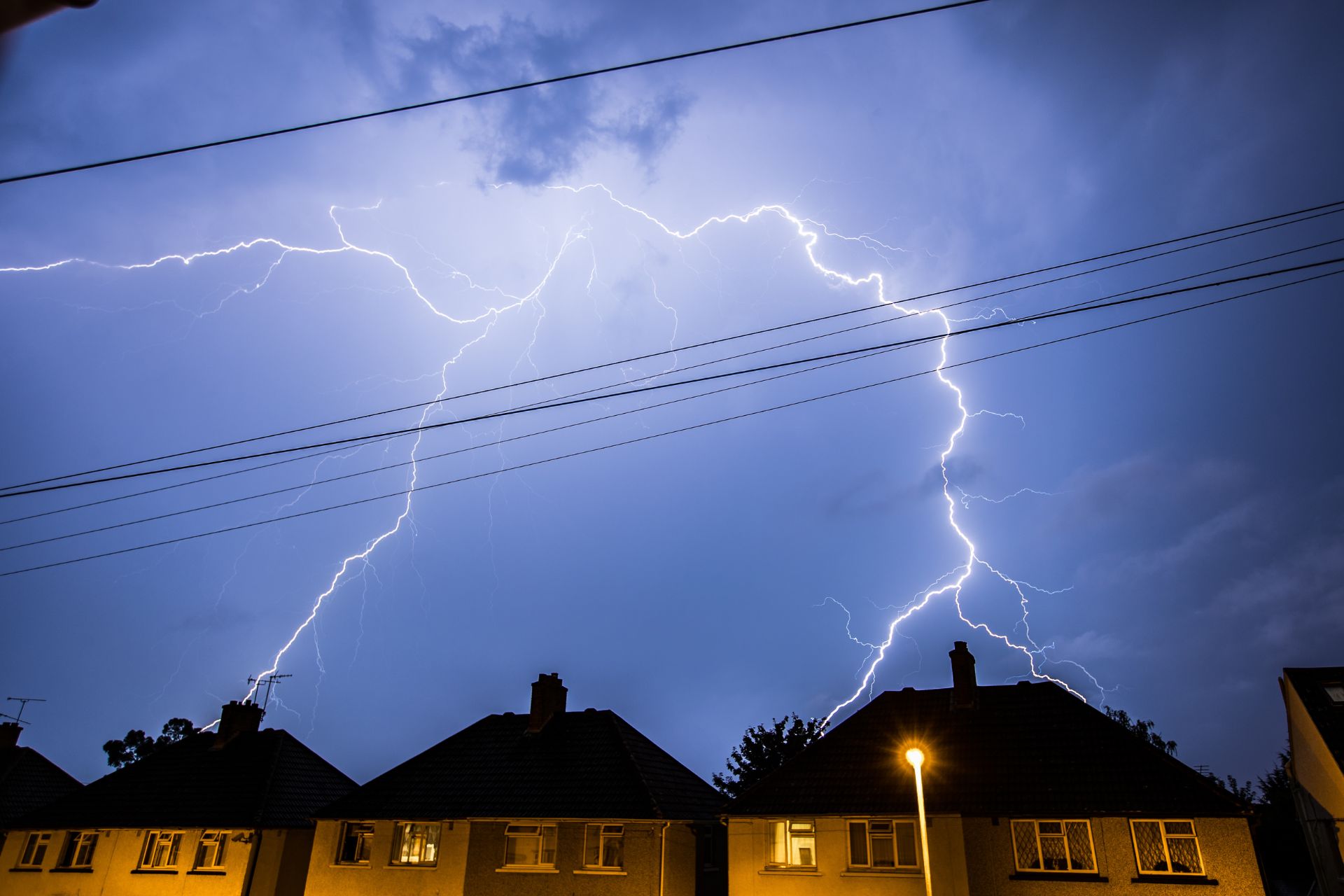
In Canada, our homes face a full spectrum of weather challenges. From the intense summer sun and heavy rainstorms to the crushing weight of snow and the bitter cold of winter, our homes must be more than just beautiful. They must be sanctuaries of safety and durability. Weather resilience is a conscious design and building philosophy. It is about making smart choices from the ground up to create a home that can withstand our nation’s specific environmental challenges. A key component of this approach is the selection of robust materials, such as modern metal roofing. This guide will walk you through the essential elements of building a weather-resilient home that lasts. This will focus on key strategies from the foundation to the roof that will protect your family and your investment for generations to come.
The Foundation: Your Anchor in the Storm
A weather-resilient home starts with a properly engineered foundation. This is the anchor that holds your entire structure stable, and it must be designed to handle local soil conditions and, most importantly, the immense pressure caused by water saturation from rain and spring thaws. Proper site preparation is the first step. The ground must be compacted and graded to create a gentle slope away from the house on all sides. This ensures that surface water naturally flows away from the structure rather than pooling against it, which is the first line of defence against water infiltration.
The quality of the materials used is non-negotiable. This means choosing the proper concrete mix with air-entrainment additives to resist freeze-thaw damage, and using sufficient steel reinforcement to prevent cracking under pressure. In the Canadian climate, protecting the foundation from frost heave is critical. This involves ensuring the foundation footings are below the frost line and using proper drainage techniques, like weeping tiles, to keep water away. A well-built foundation does more than just hold up the house; it keeps the basement dry and resists the powerful forces of our four-season climate.
The Fortress Walls: Your Structure’s Strength
The walls of a Canadian home must do more than just divide rooms; they must be a fortress against high winds, driving rain, and deep cold. Modern wood-frame construction, when done correctly, is incredibly resilient. The strength comes from a complete system: proper sheathing provides structural rigidity, while a high-quality weather-resistive barrier (house wrap) acts as a crucial air and water barrier. This membrane stops drafts and prevents water from reaching the structural wood, but allows moisture vapour to escape from inside, preventing rot and mould.
The final layer, the exterior cladding or siding, is the wall’s primary shield. Durable materials like fibre cement, engineered wood, or quality vinyl siding, when installed correctly, can withstand decades of weather. Proper installation with attention to sealing around windows and doors is key to preventing water intrusion and air leakage. A well-built wall assembly is like a high-performance jacket for your home—it blocks the wind and rain while letting it breathe, keeping the structure sound and the interior comfortable.
The Ultimate Shield: Why Your Roof is Your Most Critical Defense
The roof is the home’s primary shield against both the summer sun and the harshness of a Canadian winter. An inferior or aging roofing system is often the first point of failure during a severe storm or after a heavy snowfall. This is why the choice of roofing material is one of the most critical decisions in building a resilient home. How various roof shapes handle rainwater differently (and snow load) is an important design consideration, but the material itself is the key to endurance. Modern metal roofing offers a superior combination of strength and durability perfectly suited for our challenging climate.
The advantages of metal roofing in a four-season climate are significant. Its smooth, hard surface sheds snow and ice with ease, which dramatically reduces the risk of ice dam formation at the eaves—a common cause of major water damage in Canadian homes. Modern metal roofing systems are also engineered to withstand high winds. Furthermore, metal is fire-resistant and impermeable to water. Finally, its ability to reflect solar radiation in the summer keeps the home cooler, reducing the load on air conditioning systems and lowering energy costs, making it a smart year-round solution.
Securing the Openings: The Importance of Windows and Doors
During a severe storm or blizzard, windows and doors are often the most vulnerable points of a house. Broken glass or a failed door can lead to significant interior damage from wind, snow, and rain. Therefore, reinforcing these openings is a critical part of building a resilient home. This does not mean sacrificing natural light or aesthetics; it simply means choosing high-performance products designed for durability and energy efficiency in a demanding climate.
Investing in high-quality, energy-efficient windows, such as double- or triple-pane units with Low-E coatings, provides a high level of protection against both heat loss in the winter and heat gain in the summer. However, even the best windows and doors will fail if they are not installed correctly. They must be properly sealed with flashing and high-quality caulking, and securely anchored to the wall structure. This prevents drafts and stops wind-driven rain from being forced in around the frames, which is a common source of water damage.
Managing the Deluge: The Crucial Role of Drainage
A resilient home must effectively manage the massive volume of water from both heavy rainfall and rapid spring thaws. This system starts with gutters and downspouts, which are non-negotiable. Their function is to collect the water from the roof and channel it safely away from the house. Without them, water cascades down the walls, landing directly at the base of the foundation. This leads to intense soil saturation exactly where you want to avoid it, putting immense pressure on your foundation walls.
The second part of this system is the ground-level drainage, particularly catch basins in larger driveways or properties. These are the main collection points for surface water. They must be kept clear. A catch basin clogged with leaves, sand, and other debris is completely useless. It will cause water to back up during a downpour or thaw, creating a localized flood. This is a critical step to protect your home from hurricanes and severe storms. Regularly clearing your catch basins is one of the most effective and simple ways to prevent a drainage system failure and protect your foundation.
Built to Weather Any Storm
A weather-resilient home is not the result of a single feature, but a system of interlocking, well-chosen parts. The process begins with a strong foundation designed for our climate’s unique challenges. Solid, well-sealed walls provide further strength and are crowned with a secure, durable metal roof. The structure is then fortified with high-performance windows and doors and protected by a smart, functional water management system. Building for resilience is not about adding unnecessary costs. It is a long-term investment in safety, durability, and peace of mind. A home built this way will require fewer repairs, hold its value better, and, most importantly, keep your family safe through any season. This comprehensive approach is the only one that makes sense in a climate as challenging and beautiful as Canada’s.