
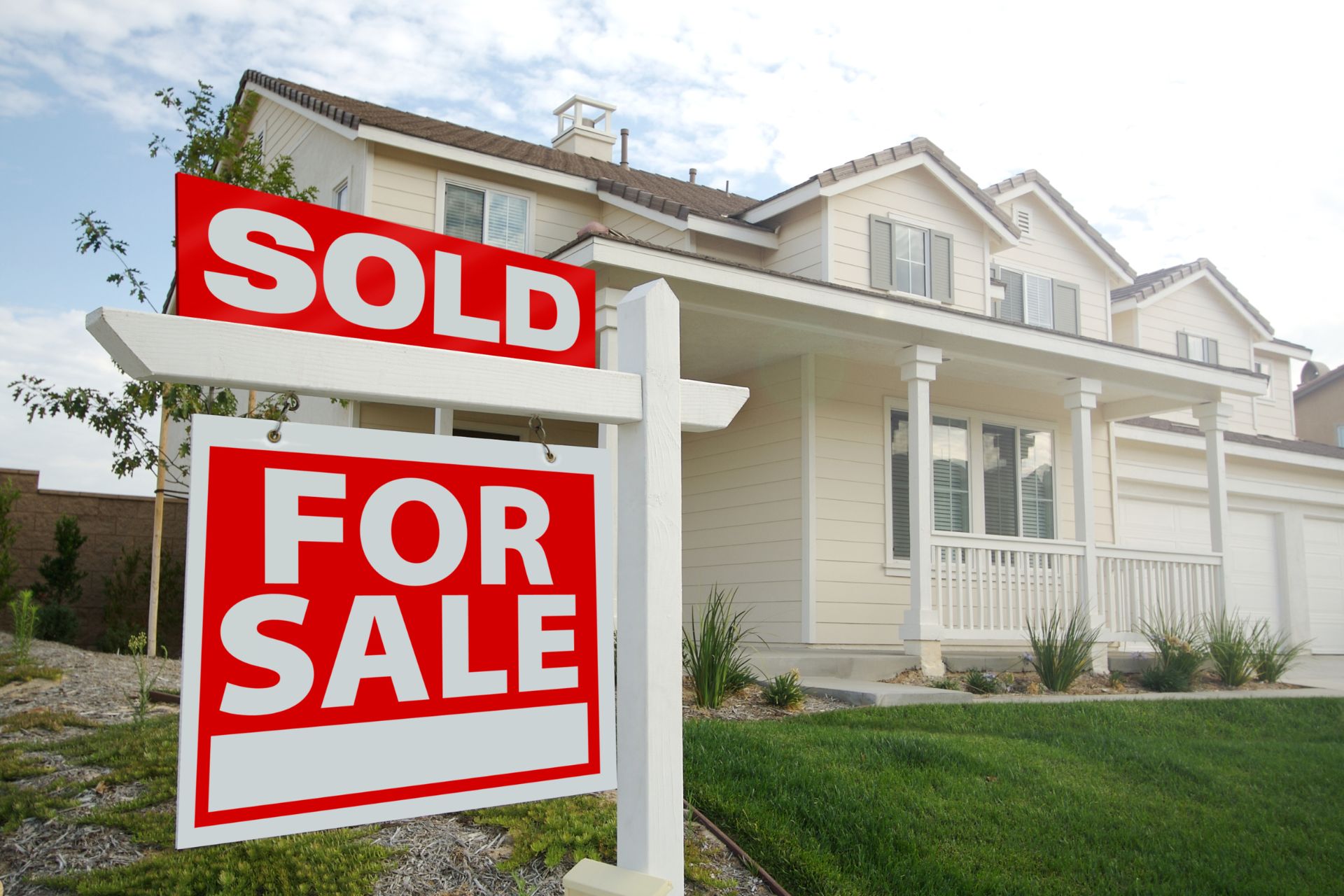
When buying or selling a property, the roof often plays a bigger role than most people realize. Its age, material, and overall condition can significantly influence a home’s value, inspection results, and even the outcome of a sale. For instance, homes with metal roofing often stand out to buyers and inspectors alike for their durability, energy efficiency, and longevity — features that can strengthen a seller’s position during negotiations. But roofing details aren’t just about curb appeal or performance; they also carry legal implications. A real estate lawyer reviewing a transaction will pay close attention to roofing disclosures, warranty transfers, and any repair documentation, ensuring all obligations are met before closing. Understanding why roof condition matters so much in real estate transactions is key for both buyers and sellers to prevent legal and financial setbacks.
The Roof’s Role in Property Valuation
A well-maintained roof is a sign of a “turn-key” property, which supports a higher asking price and attracts serious buyers. It is often the first major impression a home makes, and its condition signals the level of care the rest of the home has received. In contrast, a roof with curling shingles, moss, or visible stains is a major visual deterrent. It immediately signals a large, looming expense to potential buyers, who will almost certainly factor a full replacement cost into their (much lower) offer.
Home appraisers do not just count bedrooms and bathrooms; they assess the “effective age” of a home’s major systems. A 20-year-old shingle roof on a 25-year lifespan will detract from the home’s appraised value. This is where premium materials like metal roofing become a significant asset. An appraiser will recognize its 50+ year lifespan, superior durability, and energy-efficient properties. This isn’t just a “roof”; it’s a long-term capital improvement that strengthens the appraisal and justifies a higher valuation.
What Buyers and Inspectors Look For
The roof is a primary focus for any home inspector. They meticulously check for signs of active leaks, which often appear as water stains or dark wood in the attic. They also scrutinize the surface for missing, cracked, or curling shingles and significant granule loss. The flashings—the metal seals around chimneys, vents, and skylights—are examined closely, as these are the most common failure points. Finally, an inspector will assess ventilation and drainage. Poor attic ventilation can destroy a roof from the inside out, while clogged gutters can push water back under the shingles, leading to rot.
A poor roofing report is a buyer’s strongest negotiating tool. Any noted deficiencies, from aged materials to improper ventilation, will almost certainly trigger a new round of negotiations. This leads to demands for significant price reductions, credits at closing to cover future repair costs, or a conditional clause stating the seller must replace the roof before the sale can proceed. What may seem like a small issue can become a major financial sticking point in real estate transactions.
Legal Disclosures and Responsibilities
Sellers are legally obligated to disclose any known material defects, and the roof is a major one. Hiding a past or current leak is a serious misrepresentation and can have severe consequences. If the new owner discovers the problem after closing and can prove the seller had prior knowledge, a leaky roof becomes a legal liability. Honesty and transparency are not just ethical; they are legal necessities. Disclosing all repairs and known issues upfront is the best way to protect against future disputes.
This is where the real estate lawyer plays a critical role. Beyond the physical inspection, the lawyer performs a “paperwork” inspection. Was the roof recently replaced? The lawyer will demand documentation to verify it was completed by a licensed contractor. Crucially, they will check that the work was done in accordance with local building codes and permits. A non-permitted roof is a major red flag that can halt a sale, create insurance nightmares, and become a future legal problem for the new owner.
How Roof Warranties Impact a Sale
A warranty is a promise, but in real estate, a transferable warranty is a tangible financial asset. It provides the buyer with immense peace of mind, knowing that they are protected against material defects for years to come. This confidence can be a deciding factor for a buyer choosing between two similar properties. A strong, transferable warranty is a powerful marketing tool that demonstrates quality and long-term value.
A proper warranty also protects the seller. If a manufacturer’s defect arises six months after closing, the new owner’s first call is to the warranty provider, not to the seller’s real estate lawyer to file a claim. The difference in warranty quality is stark. A standard shingle warranty may have only a few years of prorated coverage left. In contrast, a 50-year, non-prorated metal roofing warranty that can be transferred to the new owner is a powerful closing tool that adds significant, bankable value.
When Roof Condition Becomes a Dealbreaker
The most common and abrupt deal-killer is the “uninsurable” roof. A buyer cannot secure a mortgage without first obtaining homeowner’s insurance. In today’s market, many insurance companies are refusing to issue new policies for homes with shingle roofs over 15 or 20 years old, regardless of their visual condition. If the insurer denies coverage, the lender denies the mortgage, and the entire transaction collapses.
Deals also fall apart when the inspection reveals deeper damage than the seller disclosed. A “small stain” on a ceiling might be identified by an inspector as a symptom of widespread, active rot in the roof deck or trusses. This turns a minor repair into a major structural problem. At this point, the buyer will almost certainly walk away, having lost all trust in the seller’s disclosures. This is why addressing roof issues is so critical in all real estate transactions.
How to Prepare Before Listing or Buying
For sellers, the best strategy before selling your house is to get a pre-listing roof inspection. This avoids surprises, allows for confident pricing, and shows buyers that you are transparent. Fix all minor issues, such as re-caulking flashing or replacing a few missing shingles. If the roof is at its end-of-life, getting quotes (or even replacing it) is often more profitable than taking a massive, negotiated hit on the sale price. Gather all paperwork—warranties, permits, and contractor invoices—to provide to your agent and lawyer upfront.
For buyers, the home inspection is a non-negotiable requirement. It is the single most important piece of due diligence. Read the full roofing report, not just the summary. Pay close attention to the inspector’s notes on remaining lifespan, ventilation, and flashing. As part of the offer, request all seller documentation on the roof, including any warranties and permits. The real estate lawyer must review these documents before conditions are waived to ensure the purchase is sound.
Covering Your Assets: The Roof’s Final Say
A home’s roof isn’t just a structural feature—it’s a major financial and legal pillar in all real estate transactions. Its condition is a direct indicator of the home’s overall maintenance, its ability to protect the occupants, and its future value. Whether buying or selling, overlooking the roof is a risk that neither party can afford to take.
The best approach is a two-pronged one. Consult with a qualified roofing professional for a thorough physical assessment. At the same time, consult with a real estate lawyer to handle the legal due diligence regarding disclosures, warranties, and permits. This combined strategy is the best way to ensure a smooth, transparent, and legally sound transaction from top to bottom.