When managing a commercial facility, it is easy to view the roof as just another line item on a maintenance sheet. However, the choice you make for your building’s envelope dictates the safety of everything underneath it. In the Canadian climate, the transition to the rainy season is the ultimate stress test. If you are running a high-value facility—perhaps you’ve recently invested in an indoor golf simulator, sensitive electronic inventory, or high-end manufacturing equipment—a single failure in a flat roof membrane can be catastrophic. Investing in sloped metal isn’t just an aesthetic choice; it’s a strategic move to ensure that gravity works for your building rather than against it during extreme weather.
Choosing metal roofing for your facility isn’t just about stopping leaks. It is about creating an environment where your business can thrive without weather-related interruptions. Whether you are comparing residential vs. commercial roofing requirements, the goal remains the same: total moisture control. By moving away from flat systems that trap water and toward a sloped metal solution, you ensure that your building’s climate stays stable and your investments stay protected. This proactive approach prevents the humidity spikes that often lead to inventory loss and premature mechanical wear.
The Quick Edit: Key Takeaways
- The Pitch Advantage: Gravity is your best maintenance tool. A sloped system ensures water exits the roof immediately, preventing the “ponding” that destroys commercial membranes.
- Asset Protection: High-end amenities like an indoor golf simulator require a bone-dry environment. Metal provides the most reliable seal against humidity and leaks.
- Strategic Longevity: Switching to a sloped metal system secures a 50+ Year metal roof lifespan, removing roofing from your CAPEX budget for decades.
The Drainage Advantage: Why Geometry Matters
When looking at popular roofing styles, it is important to realize that aesthetics are only half the battle. In a commercial setting, the primary job of a roof is to manage water as quickly and efficiently as possible. It is a simple fact of physics that different roof shapes handle rainwater and drainage differently, and for most Canadian businesses, the traditional flat roof is at a distinct disadvantage.
Flat roofs rely on internal drains and scuppers that can easily become clogged with debris, nesting birds, or spring ice. When a drain clogs during a heavy downpour, your roof essentially becomes a swimming pool. Thousands of gallons of water sit over your head, putting immense structural strain on the building. A sloped metal roof, however, uses gravity to move water toward external gutters and away from the building’s foundation.
This is a critical distinction when you are preparing for the rainy season. By increasing the pitch of the roof through a conversion, you eliminate the “ponding” water that eventually seeps through seams and compromises the building’s interior. Whether you are housing heavy machinery or a luxury indoor golf simulator, keeping the water moving off the building rather than letting it sit on the building is the key to structural health.
Navigating Commercial vs. Residential Needs
Understanding the nuances of residential vs. commercial roofing is essential before making a major investment. In a residential setting, a roof failure might mean a stained ceiling or damp insulation. In a commercial setting, it can mean a total halt in operations, safety liability, and massive financial loss. Commercial buildings often have much larger surface areas, meaning they collect a staggering volume of water during a Canadian spring downpour.
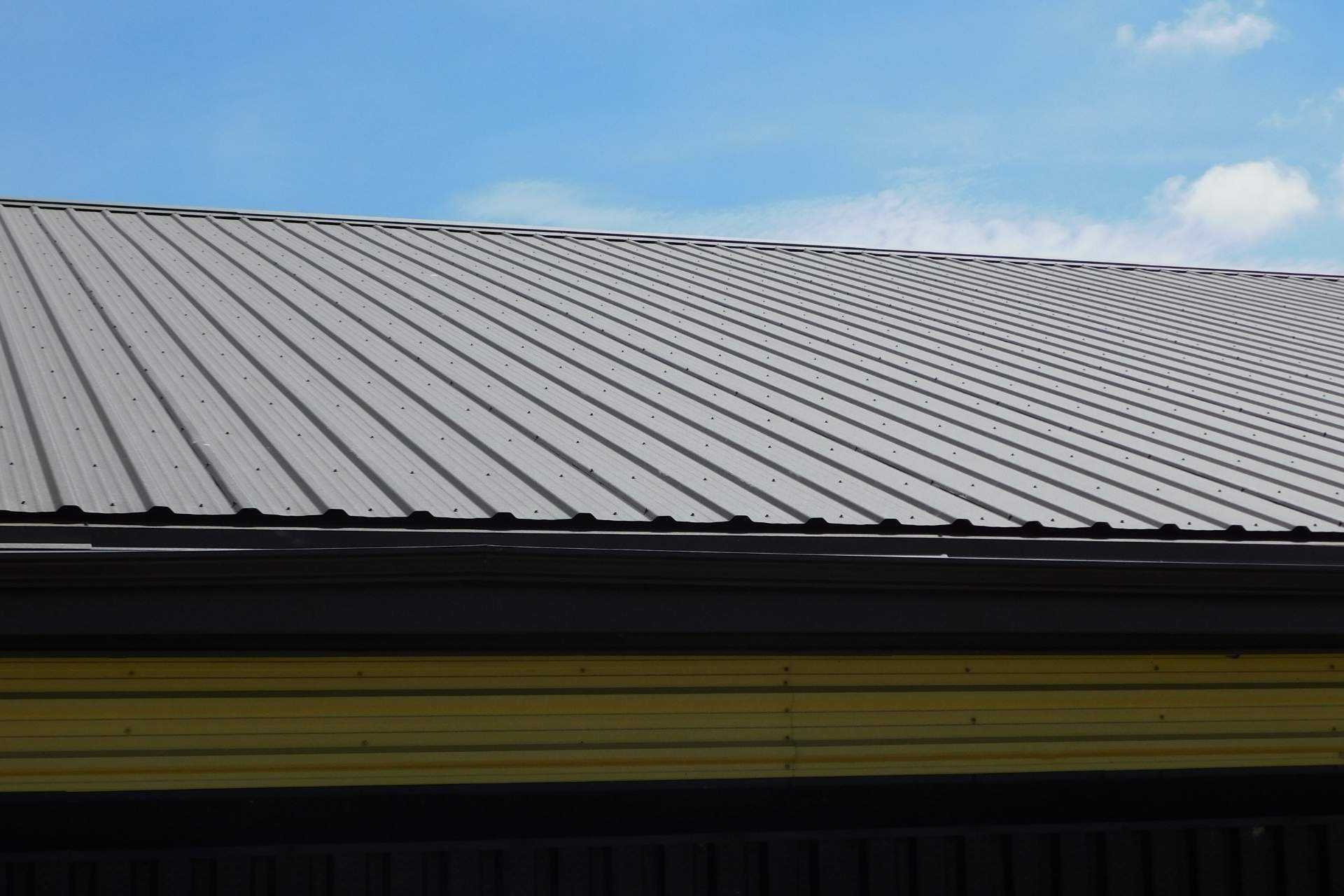
This is why metal roofing is becoming the standard for smart business owners who want to move away from the “patch-and-repair” cycle. Traditional flat roofing materials like EPDM or TPO have a limited lifespan and are prone to puncture. Metal panels are lightweight but incredibly strong, allowing for a sloped conversion that doesn’t require massive, expensive structural reinforcements. This setup is designed to withstand the impact of heavy rain and ensure that even the most intense storms don’t result in a flooded facility or ruined equipment.
By choosing a sloped design, you also improve the building’s ventilation. A sloped roof creates a natural attic space or plenum that can be ventilated far more effectively than a flat roof assembly. This helps regulate the temperature of the building, reducing the load on your HVAC system and keeping your indoor environment comfortable for employees and customers alike.
Resilience Under Pressure: Hail and Wind
While rain is a daily concern in May, the Canadian climate often brings more violent challenges. Severe hailstorms can turn a traditional commercial membrane into a sieve in a matter of minutes. When ice strikes a flat, brittle surface, it creates micro-fractures. These fractures aren’t always visible from the ground, but they create a path for moisture to enter the insulation layer. Once the insulation is wet, it loses its R-value, and the internal environment of your building begins to suffer.
Metal changes that dynamic. Because of its high tensile strength and impact resistance, it is designed to absorb and reflect that energy. It remains functional and watertight long after other materials have been shredded by ice. Furthermore, the interlocking nature of modern metal panels provides superior wind uplift resistance. During the high-wind events that often precede heavy rain, a flat roof membrane can “billow” or peel back at the edges. A properly installed metal system stays locked in place, providing a continuous shield for your business assets.
The 50-Year Strategic Investment
The most compelling reason to consider a flat-to-pitch conversion is the long-term financial payoff. In the commercial world, we often talk about the “Total Cost of Ownership.” While a flat roof might be cheaper to install initially, the recurring maintenance, localized repairs, and eventual replacement every 15 to 20 years make it an expensive choice over time.
The 50+ year metal roof lifespan is a game-changer for CAPEX (Capital Expenditure) planning. For a business owner, this means you are essentially “fixing” your roofing costs for the next half-century. You are buying the last roof your building will likely ever need. When you compare residential and commercial roofing life cycles, the goal is always to maximize the time between major disruptions. A sloped metal roof ensures that you aren’t just reacting to the next storm, but are instead invested in a structure that will likely outlast the very equipment and business ventures it protects.
Furthermore, metal is a highly sustainable material. In 2026, many commercial entities are under pressure to improve their environmental footprint. Metal roofs are often made from recycled content and are 100% recyclable at the end of their very long lives. They are also the perfect substrate for solar panel integration, allowing you to future-proof your building as an energy-efficient hub.
A Strategic Business Asset
In the end, the roof over your business shouldn’t be a source of anxiety every time the clouds turn grey. By understanding that different roof shapes handle rainwater and drainage differently, you can move away from the high-maintenance flat roof cycle and toward a solution that works with physics, not against it. Whether you are protecting an indoor golf simulator, a high-tech manufacturing floor, or a retail showroom, the stability of a sloped metal system is unmatched.
As you look at preparing for the rainy season, remember that a roof is more than just a cover—it is a long-term investment in your building’s operational health and your company’s bottom line. Choosing a metal roofing system with a 50+ Year Metal Roof Lifespan ensures that your facility remains dry, your maintenance costs remain predictable, and your business stays open, no matter what the 2026 climate looks like outside. Don’t just patch a problem. Invest in a permanent solution that lets you focus on what you do best: running your business.