
When you think about home comfort, you probably think about the thermostat, but you should really be looking at the roof. In the Canadian climate, the transition from snow to the rainy season is a brutal test for any house. A small, ignored leak in the attic does more than just stain a ceiling; it creates a damp environment that forces the HVAC system to struggle. In fact, many homeowners are surprised to find that the root cause of a sudden furnace repair is actually high humidity caused by a compromised roof.
Upgrading to metal roofing is one of the smartest ways to protect a home’s entire ecosystem. It isn’t just about looking good—it’s about creating a permanent, watertight seal that keeps mechanical systems running smoothly. By choosing a material that refuses to absorb moisture, you ensure that heating and cooling stay efficient, regardless of what the weather is doing outside.
The Quick Edit: Key Takeaways
- Invisible HVAC Stress: Most homeowners don’t realize that attic moisture from a leaky roof is a leading cause of emergency furnace repairs due to rising humidity levels.
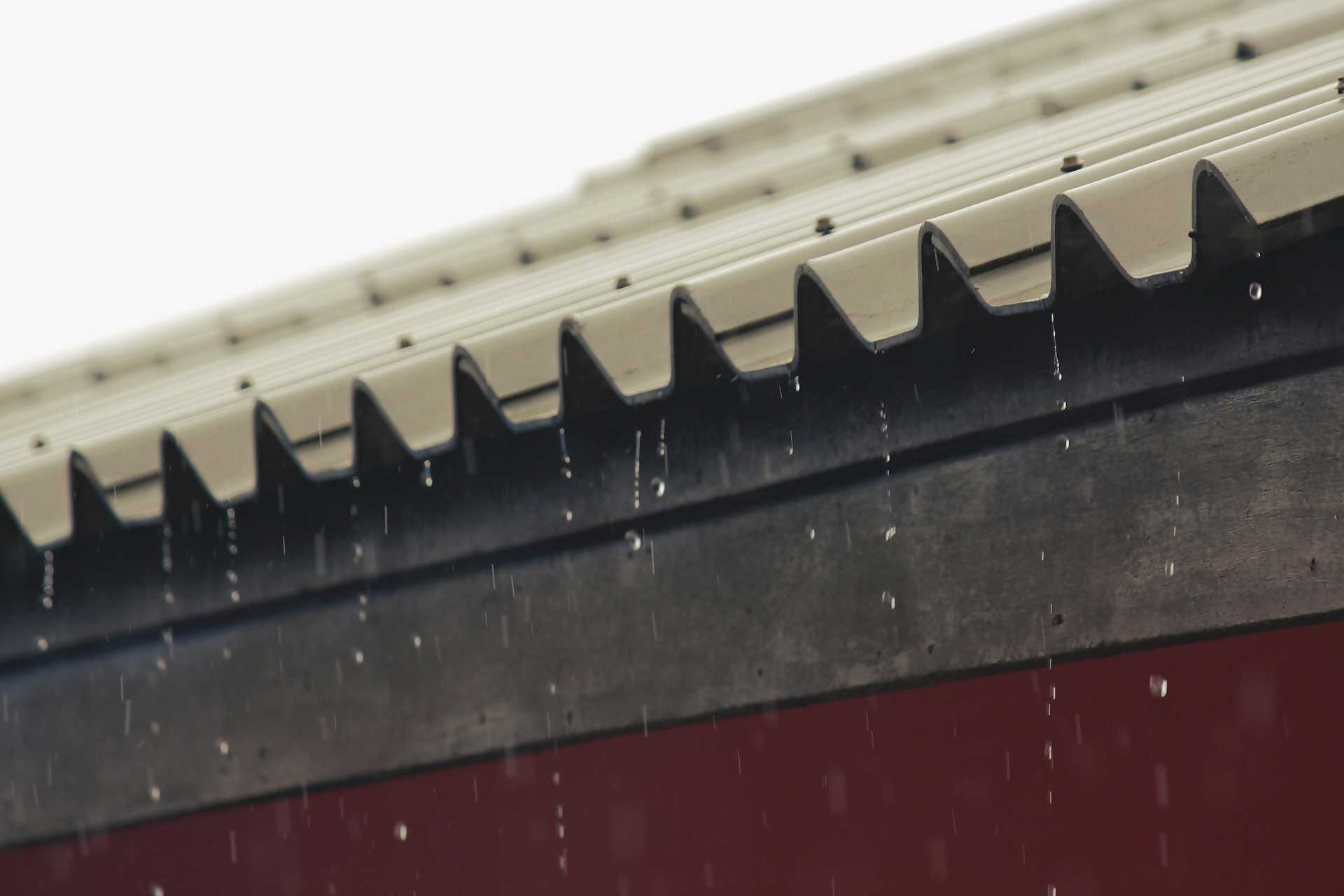
- Hydrophobic Defence: Unlike shingles that soak up water, metal roofing stays completely dry, shedding rain immediately.
- 2026 Readiness: With Canadian spring weather becoming more unpredictable, preparing for the rainy season now prevents an expensive emergency later.
The Spring Leak Mystery
For a lot of Canadians, May is the month when the “winter bill” finally comes due. You might have made it through the February blizzards without a single drip, only to find a water stain on the ceiling during the first persistent week of May rain. This is a classic symptom of the freeze-thaw cycle. Over the winter, ice can expand tiny cracks in shingles, leaving them wide open for the high-volume soaking that comes with spring.
The impact of heavy rain on an aging roof is actually much more aggressive than snow. While snow just sits there, rain is dynamic—it moves, pools, and uses gravity to hunt for the microscopic entry points that winter left behind. If shingles are starting to curl or look “tired,” they are essentially acting like a sponge rather than a shield.
If the goal is to build a lasting, weather-resilient home, you need a roof that sheds 100% of water the moment it hits the surface. Metal’s natural ability to repel water means that even during a week-long “soaker,” the roof deck remains bone-dry. This prevents the structural rot that eventually leads to a total home compromise, keeping the property safe for the long haul.
The “Wicking” Problem You Didn’t Know You Had
Have you ever wondered how water gets into a house even when the shingles look okay from the ground? It’s a phenomenon called “capillary action.” Essentially, when rain is relentless, water can actually “climb” upward between the overlapping layers of shingles. It’s like dipping a paper towel in a puddle; the moisture travels up the fibres. In a typical Canadian spring, this invisible water path is what leads to those mysterious attic leaks that seem to come out of nowhere.
Preparing for the rainy season means more than just clearing out the gutters. It’s about choosing a surface that breaks that suction. Because metal is non-porous and the panels interlock rather than just overlap, there is no “gap” for water to crawl into. While shingles can stay damp for days, holding moisture against the wood of the roof, metal dries almost instantly. This is a critical distinction when trying to build a weather-resilient home that lasts.
Avoiding Costly Pitfalls
When the decision is made to make the switch, you have to be careful about the installation process. One of the most common metal roofing replacement mistakes is installing new metal panels directly over old, damp shingles without a proper underlayment or “spacer.” While it might seem like a way to save money on labour, it can actually trap moisture against the roof deck. A home needs to breathe, and doing it right the first time ensures you won’t be dealing with mould issues five years down the road.
If you are a business owner, these stakes are even higher. A sloped roof for a commercial building is often a much better long-term choice than a flat one, specifically because it avoids the “ponding” water that causes most commercial roof failures. Whether it’s a family home or a warehouse, getting the water off the roof as fast as possible is the name of the game.
Standing Up to the Storm
While rain is the most frequent visitor, it isn’t the only threat that arrives in the spring. Severe hailstorms are becoming a more common reality for many Canadian homeowners, especially as weather patterns shift in 2026. With an asphalt roof, a single significant hail event can bruise the shingles, knocking off the protective granules and leaving the underlying mat exposed to the sun and rain. Once that happens, the clock starts ticking toward a total failure.
Metal changes that dynamic entirely. Because of its impact resistance, it doesn’t “fail” when the ice starts falling. Instead of absorbing the energy of the hailstone and cracking, metal reflects it. This resilience is a cornerstone of how you build a lasting, weather-resilient home. You aren’t just buying a roof for the sunny days; you’re buying a shield for the ten minutes of the year when the weather is at its absolute worst.
The Multi-Generational Asset
The most compelling reason to consider this upgrade is the sheer longevity. When you compare materials, the 50+ year metal roof lifespan stands in a league of its own. Most traditional roofs need to be replaced every 15 to 20 years, meaning over the course of a lifetime, a homeowner might pay for three separate roofs. By choosing metal, you are essentially making a “one-and-done” investment.
Think of it as a gift to your future self. Not only does it increase the resale value of the property, but it also removes one of the most expensive home maintenance tasks from the “to-do” list forever. Whether you are protecting a residence or looking at the benefits of a sloped roof for a commercial building, the goal is the same: peace of mind.
A Permanent Solution for a Changing Climate
At the end of the day, a home is the most significant investment, and the roof is its first line of defence. As the rainy season approaches, take a moment to look up. If there are signs of wear, don’t wait for a ceiling stain to signal a problem. Transitioning to a metal system is about more than just aesthetics; it’s about ensuring that the next 50 years of spring rains stay exactly where they belong—outside.
By eliminating the risk of “wicking” moisture and providing a shield that can withstand severe hailstorms, you are taking the ultimate step in home protection. You’ll rest easier knowing the attic stays dry, furnace repair bills stay low, and the home is ready for whatever the 2026 climate has in store.