
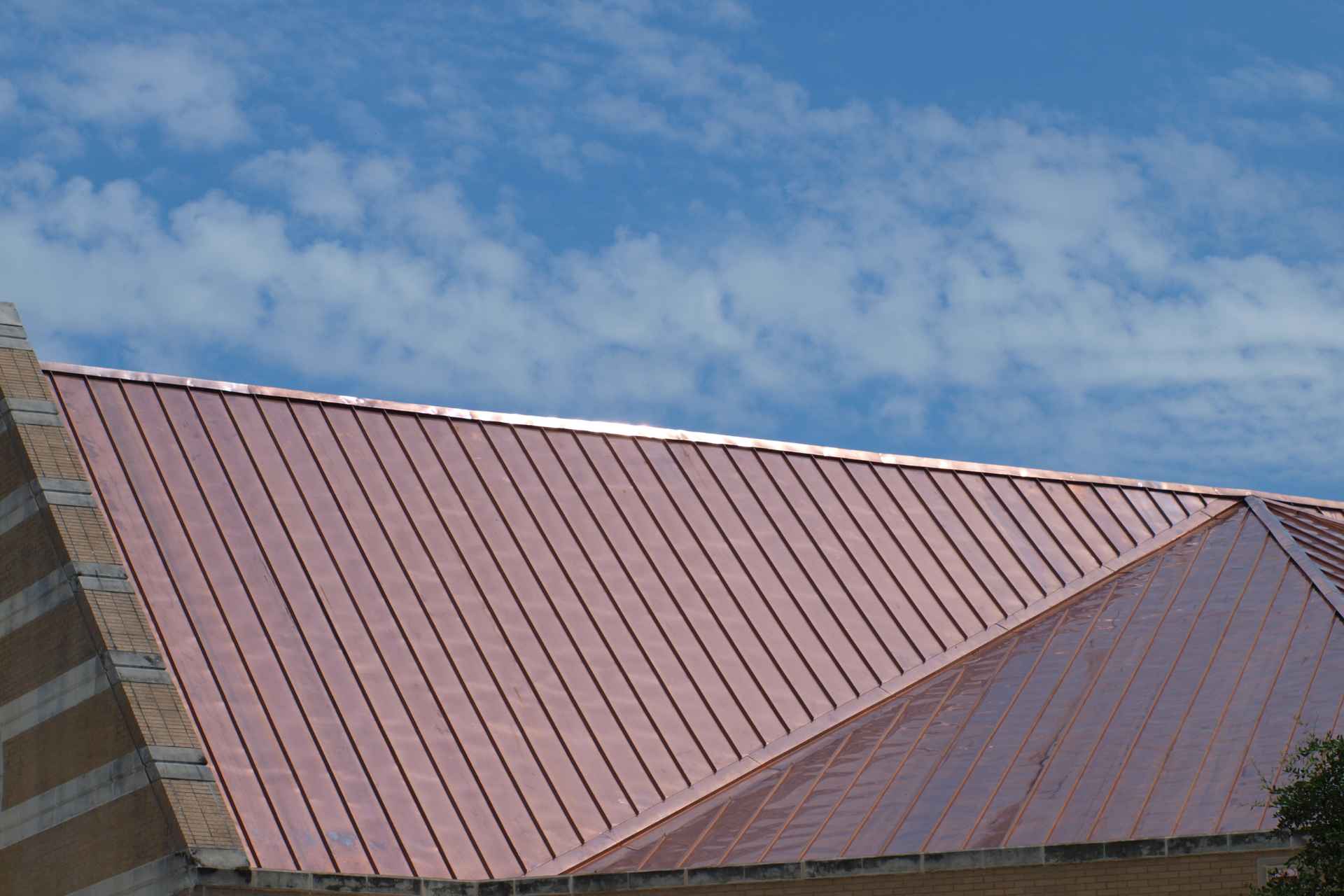
Canadian architecture operates within one of the most mechanically aggressive environments on Earth. Structural building envelopes are routinely subjected to violent seasonal temperature swings, ranging from -40°C winter freezes to high-temperature summer UV exposure. These extreme thermal shifts cause building materials to expand and contract constantly, placing severe fatigue stress on structural joints, fasteners, and waterproofing membranes. Across historical municipal landmarks, coastal estates, and modern luxury residential builds, copper metal roofing remains the ultimate benchmark for permanent overhead protection.
While standard petroleum-based roofing materials degrade under continuous ultraviolet exposure, thermal stress, and ice damming, copper adapts dynamically to its environment. Rather than deteriorating when exposed to atmospheric moisture and oxygen, copper metal roofing undergoes a natural chemical transformation that forms an impermeable, self-healing barrier. Installing modern metal roofing provides unmatched building envelope defence, protecting properties against harsh seasonal swings and ensuring complete structural watertightness. Evaluating high-end architectural materials requires balancing upfront capital expenditure against lifetime asset performance—much like a financial advisor structures an investment portfolio for long-term compounding growth, choosing legacy roofing materials preserves real estate equity and eliminates recurring replacement cycles.
The Quick Edit
- Self-Healing Patina: Copper oxidizes over time, transforming from bright bronze to a protective green verdigris that permanently halts atmospheric corrosion.
- Century-Long Lifespan: Hand-seamed copper installations routinely exceed 100 years of functional service life with minimal structural maintenance requirements.
- Galvanic Isolation: Proper installation requires mechanically isolating copper from incompatible metals to prevent accelerated galvanic corrosion across building joints.
The Material Science of Copper Patina and Atmospheric Chemistry
Copper’s extraordinary durability stems from its unique electrochemical reaction with ambient oxygen, carbon dioxide, and atmospheric sulphur compounds. Unlike ferrous metals, which produce iron oxide (rust) that expands, flakes away, and exposes fresh raw metal to continuous degradation, copper oxidation forms a tight, highly stable, protective crystalline lattice across the panel surface.
This chemical transition occurs in distinct, predictable phases over 10 to 30 years depending on local atmospheric humidity, rainfall acidity, and airborne particulate levels:
- Initial Oxidation Phase: Upon immediate exposure to ambient air, bright raw copper reacts with oxygen to form cuprous oxide. This initial layer quickly transitions into cupric oxide, dulling the metal’s reflective surface into a deep nut-brown and iridescent bronze hue within the first few months of installation.
- Statuary Finish Phase: As environmental exposure continues, atmospheric carbon dioxide and moisture combine with the surface oxide layer. The metal transitions into a dark, matte-black patina that effectively seals the raw copper pores, preventing volatile airborne chemicals from attacking the underlying metallic substrate.
- Verdigris Development Phase: Over extended timeframes, airborne sulphur dioxide and carbon dioxide react with the oxide matrix to form basic copper carbonate and copper sulphate compounds. This process yields the iconic green verdigris patina. This final layer acts as an inert, impermeable shield that permanently halts further atmospheric corrosion.
Because this fully developed patina acts as an impenetrable physical and chemical barrier, copper panels maintain their baseline structural thickness and watertight integrity indefinitely. This natural defence mechanism elevates copper far above standard options when architects evaluate the available types of metal roofing materials for long-term project viability.
Mechanical Hand-Seaming, Galvanic Isolation, and Regional Adaptability
Achieving a century-long service life requires precision craftsmanship that goes far beyond standard roofing practices. Copper roofing relies on traditional standing seam or flat-lock panel architectures joined using double-locked mechanical seams. Specialized copper coppersmiths hand-crimp or solder joint overlaps, creating a continuous, monolithic metal membrane across the roof deck without relying on short-life synthetic sealants or exposed rubber-washer screws that degrade under solar heat.
However, the noble status of copper requires strict adherence to material compatibility engineering. In the galvanic series of metals, copper holds a high noble potential. If copper is placed in direct contact with less noble metals—such as zinc, aluminum, or structural steel—in the presence of moisture, an electrochemical cell is established. Water acts as an electrolyte, causing the less noble metal to experience rapid, catastrophic galvanic corrosion.
To prevent systemic structural failures, copper installations must incorporate synthetic high-density polyethylene underlayments and non-conductive isolation membranes. These barriers isolate the copper panels from underlying structural fasteners and adjacent flashing details.
Selecting noble metals also requires evaluating local climate factors, such as salt-air exposure in maritime zones or severe freeze-thaw shifts in inland regions. Coastal salt spray accelerates the patina process, requiring specialized marine-grade isolation membranes and solid brass or high-copper-content bronze fasteners to prevent fastener shear. Homeowners and restoration architects evaluating exterior upgrades must account for these microclimatic factors when choosing the perfect metal roof for your region.
Thermal Expansion Management and Soldered Joint Integrity
Due to copper’s high coefficient of thermal expansion, copper panels experience significant dimensional shifts between extreme Canadian seasonal temperature swings. A 10-foot run of copper can expand or contract up to a quarter of an inch across annual heat cycles. Without proper movement allowances, this continuous expansion and contraction generates massive stress forces that can buckle panels, pop fasteners, or rupture soldered joints.
Engineered copper roofing systems solve this challenge through the strategic deployment of expansion joints, sliding copper cleats, and floating panel details:
- Sliding Cleat Assemblies: Concealed copper cleats secure panel seams to the structural decking while allowing the individual metal runs to slide longitudinally as temperatures change.
- High-Load Soldered Lap Joints: Critical low-slope transitions, internal gutters, and valley flashings are joined using continuous 50/50 tin-lead or lead-free solder. The copper surfaces are thoroughly cleaned, fluxed, and heated to sweat the molten solder deep into the overlap, creating a joint that is mechanically stronger than the parent metal itself.
- Transverse Expansion Battens: For long roof slopes, transverse expansion joints break continuous panel runs into independent floating zones, isolating thermal movement and preventing mechanical fatigue across the structural deck.
By accommodating natural thermal cycles rather than resisting them, copper roof assemblies preserve their watertight integrity without developing metal fatigue or seam separations over decades of service.
Environmental Sustainability, Water Runoff, and Recyclability
As modern building codes increasingly prioritize circular economy principles and environmental impact, copper stands out as one of the most sustainable architectural materials available. Unlike petroleum-based shingles that leach volatile chemical compounds into rainwater runoff and contribute millions of tons of non-biodegradable waste to municipal landfills every year, copper is a non-toxic, elemental material with a closed-loop lifecycle.
Copper is infinitely recyclable without any loss of its physical or chemical properties. Over 75% of all copper ever mined throughout human history remains in active use today, and a significant portion of architectural copper panelling is manufactured using recycled scrap metal. This closed-loop process requires up to 85% less energy than refining primary copper ore, drastically reducing the embodied carbon footprint of high-end building construction.
Additionally, fully patinated copper yields stable, non-leaching surface runoff, making copper-roofed properties ideal candidates for rainwater harvesting and graywater collection systems. The environmental sustainability of copper ensures that property owners are not only investing in structural longevity, but also adhering to progressive green building standards and ecological preservation goals.
Financial Physics: Calculating the 100-Year Return on Investment
While copper carries a significantly higher initial material and installation investment compared to conventional asphalt shingles or basic pre-painted steel panels, its long-term lifecycle cost analysis reveals massive financial advantages. Conventional petroleum-based roofing products require complete tear-off and replacement every 15 to 20 years. Each replacement cycle incurs compounding costs for labour, material inflation, building permit fees, structural disposal charges, and potential water-damage repairs caused by sudden failure events.
Multiple structural variables dictate the baseline capital requirements for a copper installation. Architectural complexity, roof pitch, structural underlayment specifications, custom valley fabrication, and the need for specialized heritage sheet-metal labour all influence overall budgeting. Property owners should carefully evaluate these factors that affect the cost of their metal roof replacement when structuring long-term capital improvement plans for high-value architectural assets.
To ensure continuous structural performance across decades, pairing a high-end copper installation with a routine autumn roofing inspection and maintenance schedule preserves system integrity before heavy winter snow loads accumulate. Visual checks ensure that leaf litter is cleared from copper valleys and downspouts, preventing localized standing water from causing mechanical stress on soldered seams during freeze-thaw events.
Furthermore, engineered copper roofing assemblies provide exceptional aerodynamic resistance during severe storm events. Heavy-gauge standing seam copper panels anchored directly to solid wood decking using heavy-duty copper cleats prove that metal roofing systems can withstand high winds without suffering seam failure, edge deformation, or catastrophic panel blow-offs.
While modern pre-painted steel and aluminum systems rely on factory-applied premium Kynar 500 coatings to preserve architectural colours and protect baseline metals from raw oxidation, copper achieves its colour stability, self-healing protection, and extreme longevity through natural elemental oxidation.
Total Capital Asset Preservation
Investing in copper metal roofing transforms an ordinary overhead boundary into an impenetrable, self-sustaining structural asset. By pairing natural elemental patina chemistry with precision hand-seamed joinery, thermal movement clearances, and strict galvanic isolation, property owners eliminate the continuous cycle of reroofing expenses. Copper permanently protects underlying structural timbers from moisture failure, stabilizes long-term maintenance liabilities, and locks maximum equity into the building envelope.