
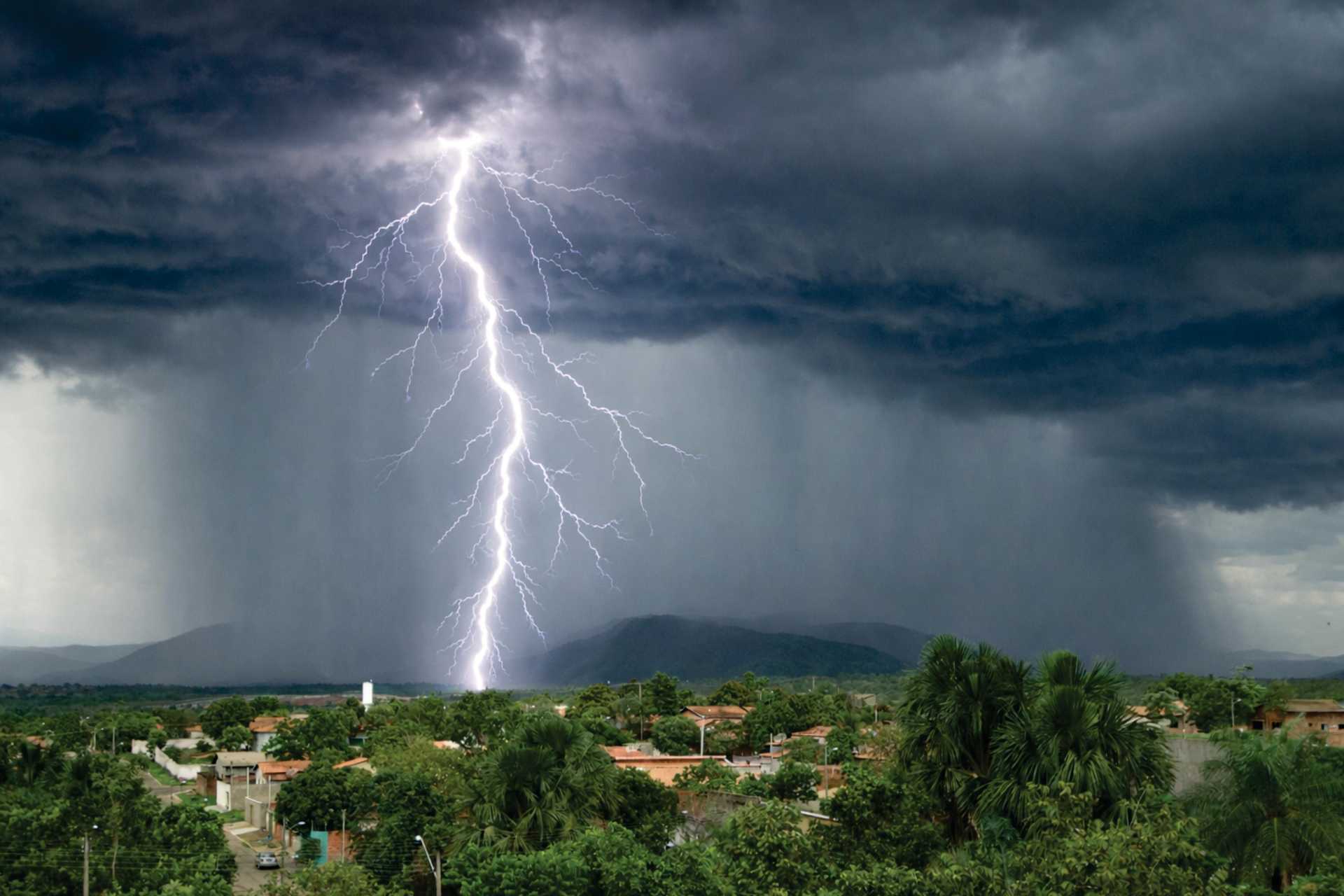
It is perhaps the most persistent question homeowners ask a roofing company during a consultation: “Will my house become a giant lightning rod if I switch to metal?” As we enter the 2026 spring season marked by volatile Canadian storms and unpredictable atmospheric shifts, this concern often outweighs the proven benefits of durability and energy efficiency. However, in the world of modern engineering, the answer is rooted in physics rather than superstition.
Many homeowners prioritize high-visibility exterior upgrades to boost curb appeal, such as laying a fresh asphalt driveway or updating landscaping. While these are valuable, they rarely contribute to the structural safety of the home during a severe weather event. Upgrading to metal roofing provides a specialized electromagnetic shield that traditional, combustible materials simply cannot match. Understanding the difference between “attraction” and “conduction” is the first step toward true peace of mind.
The Science of “Magnetic” Misconceptions
The most dangerous of all metal roofing myths is the idea that metal “pulls” lightning down from the sky. According to updated 2026 safety standards, lightning is attracted to the highest point in a given area, the most “pointed” object, or the path of least resistance to the ground. It is completely indifferent to whether that point is made of wood, stone, copper, or steel.
If lightning is going to strike your home, it will do so based on the height of your chimney, the peak of your gables, or the proximity of a nearby tall tree—not because of the material covering your rafters. The real magic of metal happens after the strike occurs. While a shingle roof acts as an insulator that can be pierced and ignited, a metal surface is a conductor. This means it allows the massive electrical charge to spread out across the entire surface area of the roof, dissipating the energy safely rather than letting it concentrate in one volatile, heat-intensive spot.
Fireproof Protection: The Non-Combustible Advantage
When lightning hits a traditional roof, the results are often catastrophic because asphalt and wood shingles are highly combustible. The intense heat of a bolt—which can reach temperatures hotter than the surface of the sun—instantly ignites the oil-based binders in shingles or the dry timber of the roof deck. This “piercing” effect turns a natural event into a structural fire in seconds.
This is why engineers and safety experts frequently state that metal is the best roofing material for storm-prone regions across Canada. Metal is classified as a “Class A” non-combustible material. In the rare event of a strike, the roof will not catch fire. This structural resilience is often discovered during a spring thaw roof inspection. Our teams occasionally find small “burn points” or scorched spots on shingle roofs that homeowners didn’t even realize were hit during a late-winter thunderstorm. On a metal roof, these events rarely result in anything more than a superficial mark, whereas on a shingle roof, they are often the narrow miss of a house fire.
Longevity vs. High-Heat Stress
The risks associated with traditional roofing during storm season go beyond immediate fire. Asphalt shingles degrade under the extreme UV radiation and temperature swings we have seen in early 2026. As they become brittle, they lose their ability to withstand the high-pressure winds and rapid thermal expansion that accompany lightning storms.
Furthermore, metal lasts longer than traditional roofing materials because it does not suffer from “thermal shock.” When a freezing spring rain hits a lightning-heated roof, shingles can crack or delaminate instantly. Metal handles these rapid temperature changes without losing its structural form. There is also a significant financial component to this safety. A real estate agent would likely highlight that a fire-rated, impact-resistant roof can lead to lower homeowner insurance premiums and a higher overall valuation, as the “risk profile” of the property is substantially lower than a neighbouring house with a combustible roof.
Structural Stability in the Face of Storms
Modern installation techniques ensure that a metal roof acts as a unified part of a safe building envelope. By using interlocking panels and high-grade fasteners, a roofing company creates a continuous path for energy. In 2026, we are seeing more homeowners opt for “integrated grounding,” where the roof is intentionally bonded to a house-wide lightning protection system.
For those living in heritage properties, it is important to remember that metal roofing is safer for older homes. Its low weight allows it to support specialized systems like copper air terminals and grounding cables. It does this without putting undue stress on aging rafters. In many cases, adding lightning protection to a heavy asphalt or slate roof can push an older structure to its weight limit. Metal provides the necessary “strength-to-weight” ratio to keep the home upright and grounded simultaneously.
The 2026 Style Shield
For the modern Canadian homeowner, 2026 aesthetics are just as important as safety. The days of “shiny tin” are over. Matte metal roofing has become the standard for luxury exteriors, offering a sophisticated, low-glare finish that hides the small imperfections of nature while providing a high-tech shield against the elements. It provides the look of natural slate or zinc with the industrial-strength protection required for our changing climate.
The matte finish is also functionally superior in the spring. It hides the inevitable pollen and dust buildup of April much better than glossier alternatives, ensuring your curb appeal stays high while your fire risk stays low. It is a marriage of architectural beauty and aerospace-grade physics, designed to look good under the sun and perform under the bolt.
A Final Word on Storm Safety
The fear that a metal roof is a “lightning magnet” is one of the few remaining hurdles for homeowners looking to upgrade their protection. However, when you look at the physics, you realize that you aren’t buying a lightning rod. You are buying a fireproof shield for your family and your largest financial investment.
By choosing a material that conducts energy safely rather than igniting under pressure, you are preparing your home for the next fifty years of Canadian springs. In 2026, peace of mind does not come from hoping the storm passes you by. It comes from knowing your home is engineered to handle whatever the sky decides to drop. A metal roof is a permanent solution to a seasonal fear. It proves that science is always the best defence against superstition.