
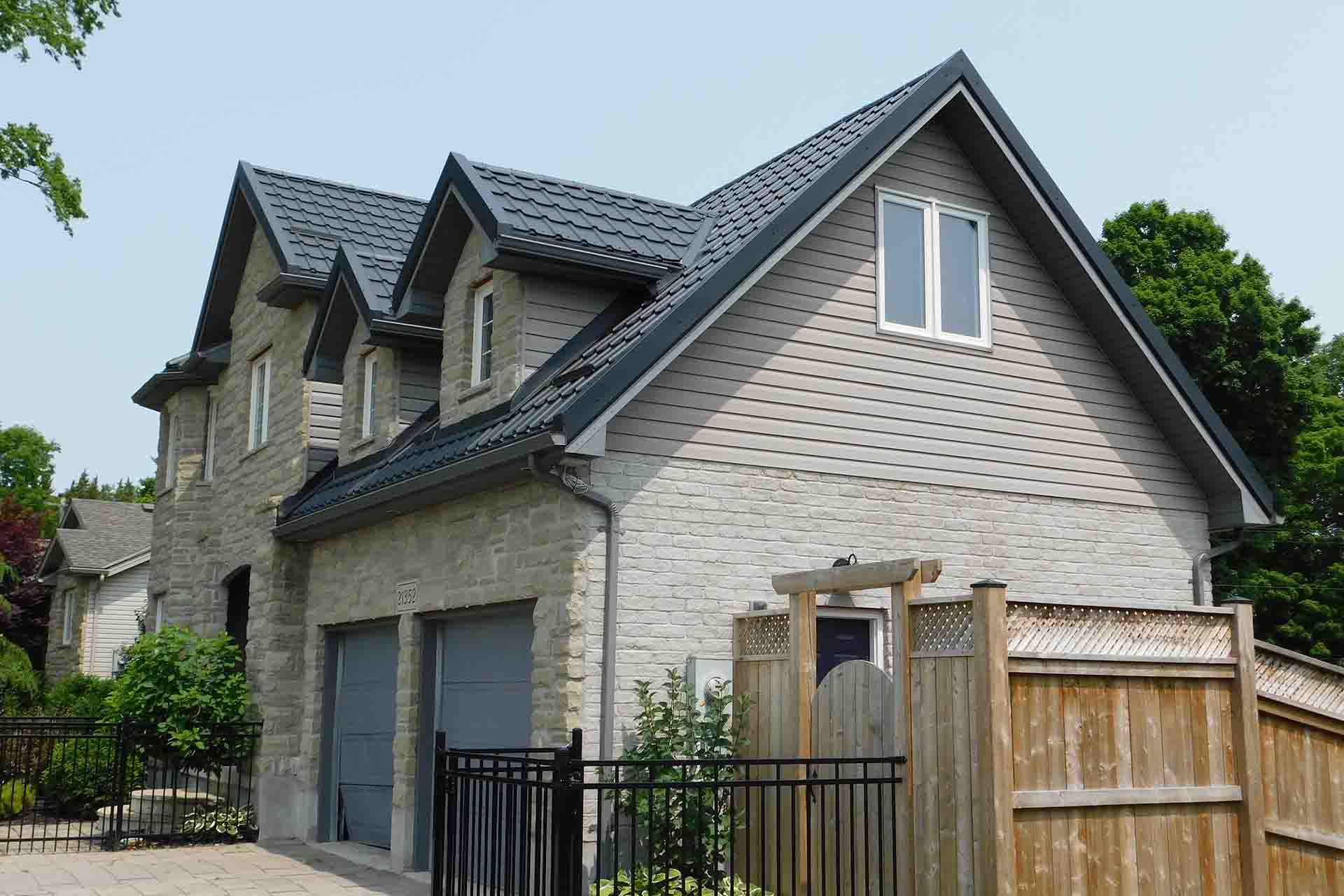
Many Canadian homeowners assume that because metal is a durable, high-strength material, it must naturally be heavier than traditional options. It is a logical thought process: strength usually equates to density. However, in the world of structural engineering, the opposite is true. When it comes to preserving the structural integrity of a house—especially those cherished “character older homes” built before the 1970s—the mass of the material sitting on top of the rafters is a critical safety factor.
As we move through 2026, the Canadian housing market is seeing a massive wave of renovations. Homeowners are no longer just looking for cosmetic fixes; they are reconsidering their home’s “envelope” from the ground up to meet modern efficiency and safety standards. In this environment, metal roofing is becoming the first choice for historic and mid-century renovations. Owners are discovering that just as upgrading to modern window coverings improves climate control and reduces UV damage to interior finishes, shedding unnecessary roof weight improves the long-term structural longevity of the entire building.
Understanding the Physics of Roof Load
In the construction and roofing industry, we measure roof weight by the “square.” One square represents an area of 100 square feet. To understand the disparity between materials, we must look at the raw numbers that engineers use to calculate “dead load.” Standard asphalt shingles typically weigh between 275 and 425 pounds per square. If an older Canadian home has been “over-shingled”—a common but dated practice where a new layer of asphalt is nailed directly over an old one to save on labour—that weight can easily climb to 800 pounds or more per square.
In stark contrast, a modern architectural metal system typically weighs 100 pounds or less per square. This means that by switching from asphalt to metal, you can strip thousands of pounds of dead weight off a home’s frame. For a century-old house, roof weight matters because the original rafters and joists were often hand-cut from old-growth timber. While that wood is strong, it was never intended to support the cumulative weight of multiple layers of petroleum-based shingles and the increasingly heavy snow loads we see in modern winters.
The Stress of the Canadian Season
A roof does not just support its own material weight. In engineering terms, it must also support “live loads.” This includes wind pressure, the weight of maintenance workers, and—most significantly in the Canadian climate—accumulated snow and ice. During a spring thaw roof inspection, we often find that the primary threat to an older home isn’t just the age of the materials, but how they interact with moisture during the transition from winter to spring.
Old asphalt shingles are inherently porous. After a heavy winter, they act like a sponge. They absorb meltwater and hold it within the fibreglass or organic matting of the shingle. This saturated asphalt can nearly double in weight during a slow thaw, putting immense and often uneven strain on aged timber. For homeowners planning a full exterior remodel, it is vital to prioritize the weight of the “shell.” If you are adding other heavy modern upgrades, such as stone veneers or triple-pane glass, a house already struggling under a heavy, water-logged roof may begin to settle at an accelerated rate.
The Dangers of Structural Fatigue
Structural fatigue in an older home is rarely a sudden event. It is a slow, progressive decline that can go unnoticed for years until the damage becomes irreversible. However, the symptoms are visible to the trained eye. Overloaded roofs often cause a phenomenon known as “rafter spread.” This occurs when the weight of the roof pushes the tops of the exterior walls outward.
This structural movement manifests in several ways throughout the home. You might notice cracked drywall in the upper corners of rooms, or interior doors that suddenly begin sticking in their frames as the house “squares” shift. Perhaps most obviously, you may see a visible sag or “swayback” look along the ridgeline of the house. These aren’t just cosmetic quirks of an “old house”; they are signs that the skeleton of the building is reaching its mechanical limit.
There is also a mechanical risk associated with this sagging. As the structural members bow under excessive weight, they can compress attic insulation and create small gaps in the home’s ductwork. This leads to significant heat loss, which eventually necessitates a furnace repair as the system overworks to compensate for the thermal leaks. Furthermore, a real estate agent will remind you that your home’s value is tied directly to its structural certification. A compromised ridgeline or bowing walls are significant red flags that can stall a sale, interfere with an appraisal, or complicate a refinance.
Why Metal is the Structural Solution
If you notice that your roofline is no longer straight or that your shingles are holding significant amounts of moisture long after the rain has stopped, it’s time for a roof replacement. By removing layers of heavy, moisture-trapping asphalt and replacing them with lightweight, interlocking metal panels, you effectively “reset” the structural clock of the home. You are giving the original rafters a new lease on life by removing the constant downward pressure of thousands of extra pounds.
Despite the drastic reduction in weight, you are not sacrificing protection. In fact, metal’s non-combustible nature offers superior safety during the volatile spring storm season. While some homeowners worry about the electrical conductivity of a “metal box,” the reality is that a metal roof provides a safer path for energy than wood or oil-based shingles. It dissipates the energy of a lightning strike safely over a large surface area, preventing the localized heat that often causes fires in traditional roofing.
From a design perspective, 2026 has seen a move away from the high-gloss, “tin shed” finishes of the past. Matte metal roofing is now the preferred choice for older Canadian architecture. It provides the sophisticated, slate-like appearance that historic homes require, but without the massive weight that real stone or high-end heavy shingles would impose on the original wood frame. It allows the home to retain its character while benefiting from aerospace-grade engineering.
Your Roof’s “Weight-Loss” Journey
Protecting older homes is not about adding more “armour.” It is about understanding the limits of the original structure and making choices that lighten the load. By choosing a material that is 50% to 75% lighter than the alternative, you ensure that the “bones” of your home remain straight and strong for another fifty years.
When you strip away the weight, you are doing more than just preventing a leak; you are preserving the very foundation of your property. Metal provides the ultimate 2026 defence while respecting the integrity of the architecture that came before it. In the end, a lighter roof is a safer roof, and for the historic homes that define our Canadian neighbourhoods, it is the most respectful upgrade a homeowner can make.