
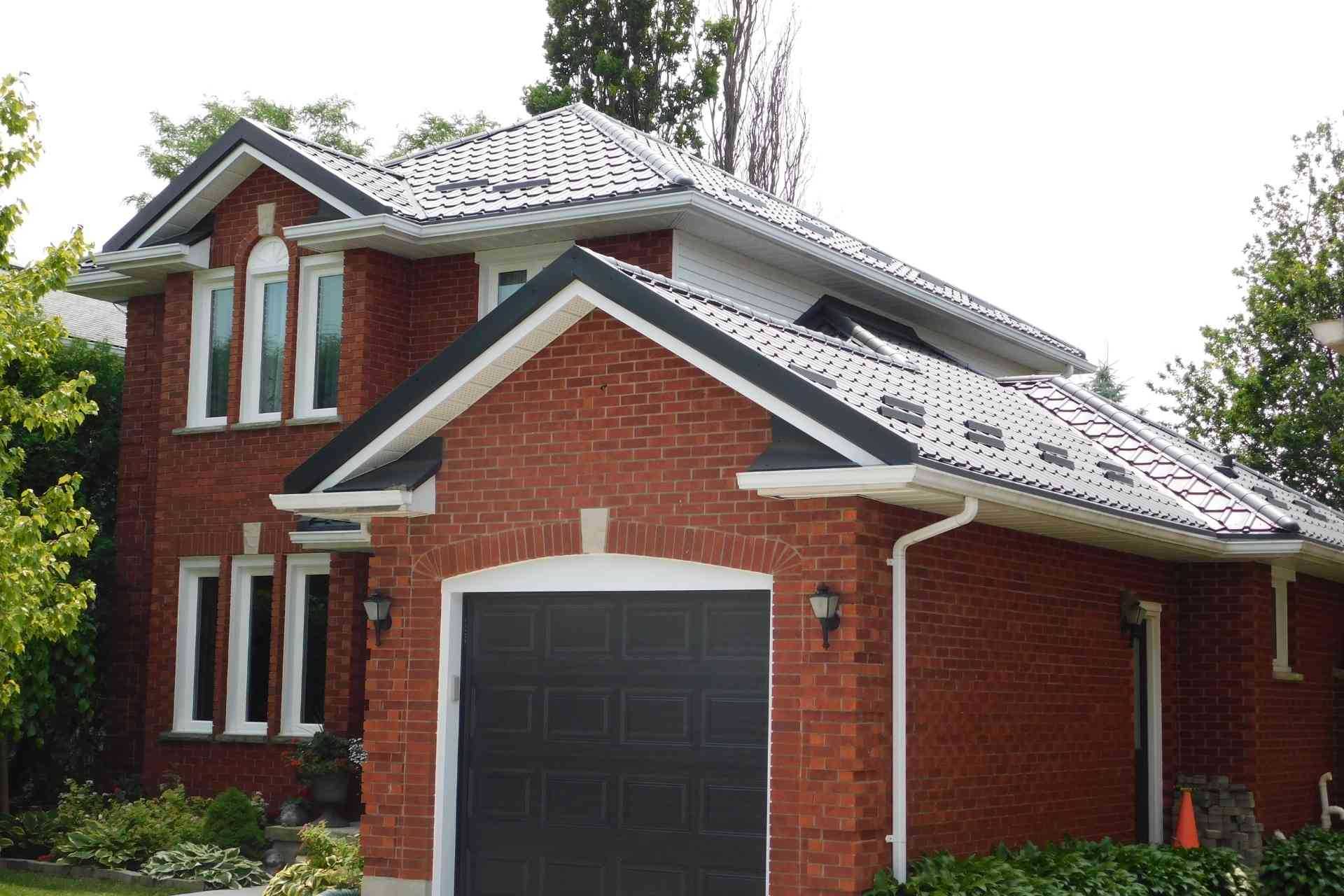
The April spring thaw in Canada is often described as the great “revealer.” The stubborn, soot-stained snowbanks are finally vanishing from our eaves. As the first true rains of the season arrive, the architectural facade of our homes undergoes a rigorous, natural stress test. For many homeowners across the provinces, this transition from a frozen landscape to a liquid one reveals a harsh reality. Their shingles did not survive the 2026 freeze-thaw cycle unscathed.
The interior of the home typically receives a deep spring cleaning this time of year to shake off the stagnation of winter. However, the most critical diagnostic work is happening ten feet above the gutters. In the evolving landscape of 2026 home performance, we are seeing a significant shift in how Canadians view their “building envelope.” A high-efficiency window replacement is no longer just about aesthetics. It is now about thermal integrity and decibel reduction. Similarly, the move toward metal roofing has transitioned from a luxury niche to a strategic necessity for long-term property protection.
Defining the “Spring Thaw Audit”
A spring thaw audit is a comprehensive forensic evaluation of a home’s primary defence system. It is not merely a visual check for missing shingles or a quick clearing of debris; it is an analysis of how the roof handled the extreme kinetic energy of a Canadian winter.
In 2026, weather patterns have become increasingly volatile. We witnessed a winter defined by “flash freezes” and “rapid thaws”—cycles where temperatures plummeted to -20°C at night only to climb above freezing under the high noon sun. For traditional roofing materials, this is a recipe for mechanical failure. A professional audit looks for “shingle sheer”—where the protective granules have been scrubbed away by sliding ice—and identifies the “ghost leaks” that began as ice dams in January but are only now manifesting as moisture spots in April. To maintain the structural integrity of a Canadian home, bi-annual roof inspections are no longer a suggestion. They are the gold standard for avoiding catastrophic water intrusion.
The Impact: The 2026 Winter Toll on Traditional Materials
To understand why so many roofs failed the 2026 winter test, we must examine the physics of asphalt. Asphalt shingles are petroleum-based products that rely on oils to remain flexible. Over time, and especially during extreme cold, these oils migrate out of the shingle, leaving it brittle and vulnerable. When a brittle shingle is subjected to the weight of a heavy snowpack, it can crack or lose its adhesive seal.
The primary failure points during the April thaw are almost always the roof valleys. These are the internal angles where two roof planes meet, acting as the natural “highways” for water runoff. In a traditional shingle roof, these valleys often become the site of an “ice logjam.” Because shingles have a textured, high-friction surface, snow does not slide off easily. Instead, it clings to the valley, melts slightly from attic heat loss, and then refreezes at the cold eave. This creates an ice dam that forces liquid water upward, defying gravity, and pushing it directly under the shingles and into the plywood decking.
The Risks of Deferring Maintenance
The danger of a failed spring audit is that the damage is often “silent” until it is expensive. An April drip that is ignored because “it only leaks during heavy rain” is an invitation for secondary disasters. By the time a stain appears on your bedroom ceiling, the water has already travelled through your insulation—destroying its R-value—and has begun to saturate your wooden trusses.
In the humid months that follow a Canadian spring, trapped moisture in the attic leads to rapid mould colonization and structural rot. There is also a significant financial risk to delaying action. By May and June, roofing contractors are often booked months in advance, and emergency repair premiums can skyrocket.
Furthermore, we must consider the broader financial picture of the home. A mortgage broker will often emphasize that home equity is not just a reflection of market trends, but a reflection of the asset’s physical condition. A home with a compromised roof is a depreciating asset. For those living in older Canadian homes, there is an additional layer of concern: structural load. Many 50-to-80-year-old homes were not designed for the weight of multiple layers of heavy, waterlogged asphalt. In these cases, transitioning to a lighter material is a matter of safety. Metal roofing is safer for older homes because it provides maximum protection at roughly half the weight of a premium shingle system.
Prevention: The Engineering of a “Permanent” Roof
1. The “Low-Friction” Advantage
2. Thermal Consistency and “Breathe-ability”
3. Addressing the “Storm Myths”
The 2026 Aesthetic: Performance Meets Style
One of the most significant changes in 2026 is that homeowners no longer have to choose between a “commercial look” and high-end performance. The emergence of matte metal roofing has revolutionized residential curb appeal. These finishes offer a velvety, low-glare appearance that mimics the look of natural slate or zinc but with the durability of galvanized steel. It allows a home to stand out for its design while being quietly recognized for its superior engineering.
The Verdict: A Proactive Approach to 2027
The April spring thaw audit is more than a chore; it is a moment of clarity. It is the time to decide if you want to continue “renting” your roof through a cycle of repairs every five to ten years, or if you want to “own” your roof for the next fifty years.
By understanding the physics of how your home interacts with the Canadian climate, you can move away from reactive fixes. A roof that fails the 2026 winter test is providing a valuable warning. Listening to that warning now—before the humidity of summer and the storms of autumn—is the difference between a home that drains your equity and a home that preserves it. As we look toward the 2027 season, the goal is to ensure that the only thing dripping during the next spring thaw is the melting ice on the ground, far away from your foundation.