Architectural building envelopes must endure relentless environmental decay. High-intensity ultraviolet radiation, acid rain, industrial pollutants, and severe freeze-thaw cycles place extraordinary chemical stress on exterior finishes. Over decades of exposure, standard paint systems break down, resulting in chalking, severe colour fading, and baseline metal oxidation.
Preserving the aesthetic line and structural integrity of an overhead enclosure requires advanced chemical engineering. Specifying high-grade metal roofing coated with Polyvinylidene Fluoride (PVDF) resin ensures that architectural panels retain their vibrant colour depth and protective boundary for decades without degrading under harsh solar exposure.
When designing luxury estates or commercial landmarks, collaborating with a premier custom home builder ensures every exterior material specification meets rigorous durability thresholds. Integrating factory-applied fluoropolymer finishes guarantees that the building’s primary weather barrier resists environmental degradation while preserving long-term property value.
The Quick Edit
-
- Carbon-Fluorine Bond: Kynar 500 relies on one of the strongest chemical bonds in organic chemistry, making it virtually inert to UV radiation.
- Chalk and Fade Resistance: Keeps dark architectural colours vibrant for over 40 years without white powdery chalking or uneven colour shifting.
- Corrosion Isolation: Acts as an impermeable barrier that blocks moisture, acid rain, and airborne salt spray from reaching the metal core.
The Fluoropolymer Chemical Structure: Why PVDF Outperforms Standard Paint
To understand why Kynar 500 (PVDF) dominates high-end architectural specifications, one must examine its atomic structure. Standard economy coatings—such as Silicone-Modified Polyester (SMP) or standard polyester paints—rely on carbon-hydrogen or carbon-oxygen chemical bonds. Solar ultraviolet photons possess enough energy to break these weaker bonds over time, causing the resin matrix to fracture, chalk, and lose pigment retention.
In contrast, Kynar 500 is a specialized Polyvinylidene Fluoride resin containing a minimum of 70% PVDF fluoropolymer. The defining characteristic of PVDF is the carbon-fluorine (C-F) bond.
-
- Extremely High Bond Energy: The carbon-fluorine bond is one of the strongest single bonds in organic chemistry. Solar UV radiation simply does not possess enough energy to break the C-F bond.
- Chemical Inertness: The dense electron cloud of fluorine atoms creates an impenetrable chemical shield around the carbon backbone, resisting atmospheric acids, alkalis, and industrial solvent attack.
- Thermal Stability: PVDF resins maintain structural integrity across extreme ambient temperature shifts, preventing micro-cracking during rapid Canadian seasonal transitions.
Because the resin matrix does not break down under sunlight, Kynar 500 finishes retain their original gloss level and colour fidelity significantly longer than alternative coating systems.
Multi-Layer Factory Coil Coating Application Process
Kynar 500 is never spray-applied on a job site. It is applied in a controlled factory environment using a high-precision continuous coil-coating process. This multi-stage industrial method guarantees uniform film thickness, optimum cure density, and superior inter-layer adhesion across the entire metal substrate.
The coil-coating procedure follows a strict multi-layer engineering sequence:
-
- Cleaning and Chemical Pretreatment: Flat metal coils (Galvalume steel or aluminum) undergo high-pressure chemical washings to remove oils, followed by a conversion coating that enhances micro-adhesion.
- Corrosion-Resistant Primer: A flexible epoxy or polyurethane primer is roll-coated onto both sides of the sheet and baked in high-temperature ovens to establish baseline corrosion defence.
- Kynar 500 Topcoat Application: The 70% PVDF liquid resin, blended with inorganic ceramic pigments, is applied over the cured primer and baked at temperatures exceeding 230°C (450°F).
- Protective Backer Coat: A protective backing coat is applied to the reverse side to prevent abrasion during roll-forming and transport.
This factory-cured layer matrix enhances the overall impact resistance of metal roofs. The elastic properties of the PVDF resin allow panels to be roll-formed or stamped into sharp standing seam profiles without micro-cracking the protective finish along metal bends.
Comparative Performance: PVDF vs. SMP vs. Polyester Finishes
Selecting the correct architectural finish requires evaluating long-term performance metrics under harsh atmospheric conditions. The metal roofing industry measures coating degradation using two standardized ASTM criteria: Chalking (ASTM D4214) and Colour Change (ASTM D2244, measured in Delta E units).
| Coating Technology | Resin Composition | 30-Year UV Resistance | Resistance to Chalking | Gloss & Colour Retention |
| Kynar 500 (PVDF) | 70% PVDF / 30% Acrylic | Exceptional (Carbon-Fluorine Bond) | High (Delta E < 5 over 30 yrs) | Superior (Retains original shade) |
| Silicone-Modified Polyester (SMP) | Silicone Resin + Polyester | Moderate (Gradual resin breakdown) | Medium (Visibly chalks over 10-15 yrs) | Moderate (Prone to color fading) |
| Standard Polyester | Commercial Polyester | Low (UV breaks carbon bonds) | Poor (Fails & chalks rapidly) | Low (Significant fading in 5-8 yrs) |
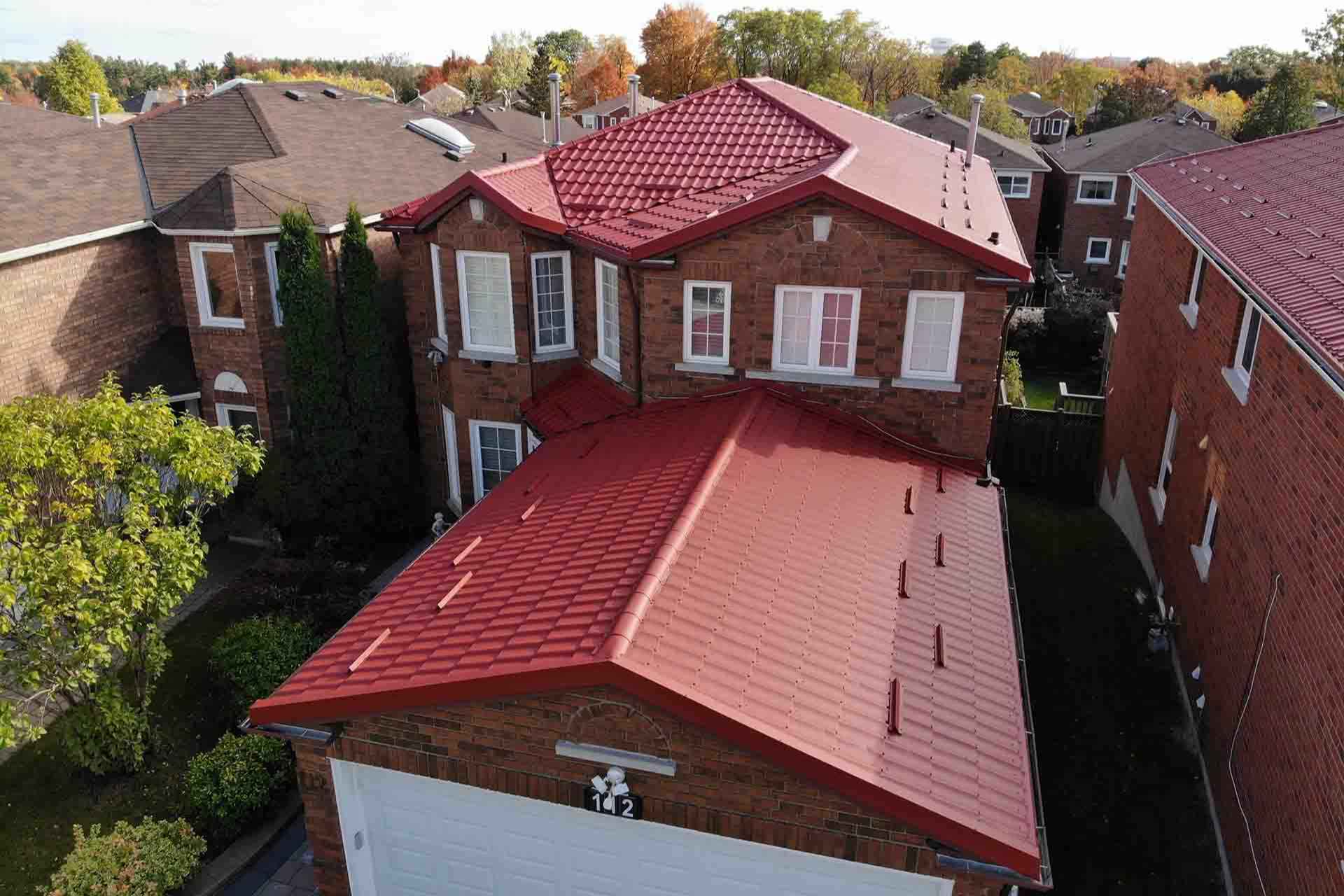
Because architectural profiles like standing seam systems are designed to last for generations, pairing them with premium PVDF finishes preserves the timeless appeal of standing seam metal roofs. The coating ensures that dramatic rooflines retain their rich aesthetic depth without developing unsightly white streaks or uneven colour fading across sunny and shaded roof slopes.
Scratch Repair, Maintenance, and Natural Materials Comparison
While Kynar 500 provides exceptional surface hardness, heavy installation foot traffic or fallen tree limbs can occasionally scratch panel surfaces. Because factory PVDF coatings are baked on at extreme industrial temperatures, field repairs require specialized techniques. Homeowners and contractors must use factory-approved air-dry touch-up paints to repair scratches in metal roofing, applying touch-up paint sparingly with a micro-brush only to bare metal gouges to avoid colour mismatches.
Incorporating touch-up checks into your routine autumn roofing inspection and maintenance ensures that minor installation scratches or debris scuffs are sealed before winter moisture accumulates.
While factory-coated steel and aluminum rely on PVDF chemistry for surface defence, noble unpainted metals like copper metal roofing achieve lifelong weather protection through natural elemental oxidation. Rather than relying on synthetic resins, copper forms a self-healing verdigris patina that permanently halts corrosion.
Furthermore, engineered metal panel assemblies featuring Kynar 500 finishes prove that Metal roofing systems can withstand high winds without suffering paint delamination or edge peeling under high-velocity atmospheric stress.
Structural Substrate Priming and Electrochemical Bond Stability
The long-term performance of a Kynar 500 finish depends heavily on the chemical preparation of the underlying metal substrate. Even the highest-grade PVDF topcoat will experience delamination if the baseline metal is improperly pretreated or primed.
Before the PVDF resin is applied, the raw Galvalume (zinc-aluminum alloy coated steel) or aluminum substrate undergoes intense chemical passivation:
-
- Zirconium-Based Conversion Coatings: Modern coil lines use non-chromate zirconium conversion layers to neutralize surface oxides and establish a micro-textured chemical key. This process increases surface area for maximum mechanical bonding with the primer.
- Flexible Epoxy-Ester Primers: The corrosion-inhibiting primer must feature high mechanical flexibility. As the sheet metal undergoes roll-forming into standing seam or interlocking panel profiles, the primer stretches without cracking, ensuring the topcoat remains bonded across tight bend radii.
- Ceramic Inorganic Pigment Integration: Kynar 500 topcoats utilize complex inorganic colour ceramic pigments rather than organic dyes. These inorganic calcined minerals are completely inert to chemical attack, resisting fade even when exposed to harsh industrial emissions and coastal salt spray.
This chemical bond stability ensures that the paint system acts as a monolithic barrier. As a result, it prevents sub-film corrosion and maintaining structural adhesion across extreme thermal expansion cycles.
Environmental Microclimates, Thermal Stress, and Substrate Elasticity
In high-stress Canadian microclimates, thermal shock presents a constant threat to exterior architectural coatings. Rapid temperature swings can happen suddenly, such as cold rain falling on sun-baked roof panels. These rapid shifts cause the underlying sheet metal to contract quickly. Standard hard-cured paints lack the elasticity needed to absorb these sudden movements. As a result, micro-fissures form along panel seams and bend radii, allowing moisture to settle and trigger premature sub-film rust.
Kynar 500 fluoropolymer resins maintain exceptional cross-linked flexibility across a wide thermal operating range. They expand and contract in direct unison with the substrate metal without cracking or losing adhesion. Furthermore, the smooth, non-porous chemical surface created by PVDF coatings sheds dirt, atmospheric soot, and organic debris effortlessly during natural rain showers. This self-cleaning characteristic prevents pollutant buildup and protects the underlying zinc-aluminum substrate from localized chemical etching. Ultimately, it ensures the roof maintains its high-end architectural appearance with minimal maintenance.
Curb Appeal Stability and Colour Equity
Specifying Kynar 500 fluoropolymer coatings transforms pre-painted metal panels into high-performance architectural assets. Harnessing the chemical strength of the carbon-fluorine bond allows property owners to eliminate paint chalking and prevent colour fading completely. This advanced coating protects raw metal substrates from corrosion while preserving total exterior curb appeal across decades of continuous performance.