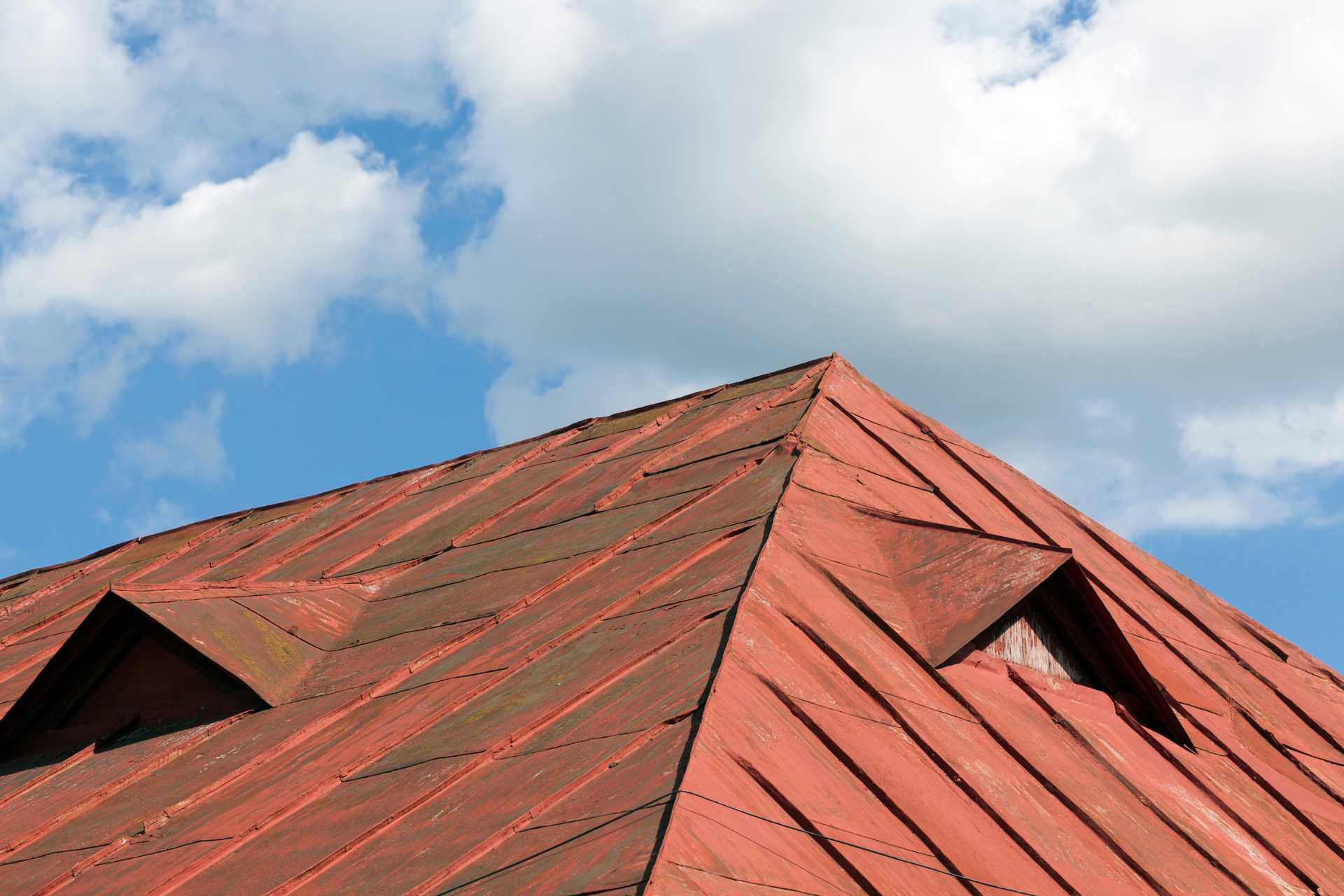
When investing in a premium property exterior, selecting a durable material like metal roofing is one of the most effective ways to guarantee decades of structural resilience.
However, even the most durable steel panels are susceptible to mechanical surface damage from overhanging tree branches, wind-borne storm debris, or careless foot traffic during seasonal maintenance. Just as heavy construction tasks like basement underpinning require precise stabilization to protect a foundation, your roof requires immediate surface stabilization when its protective coatings are breached.
Addressing surface blemishes promptly is an essential part of maintaining a metal roof and preventing atmospheric moisture from compromising the underlying steel substrate.
The Quick Edit
- Depth Dictates Danger: Shallow scratches that only penetrate the clear topcoat are entirely cosmetic, but deep gouges that expose bare steel must be sealed immediately to prevent localized oxidation.
- Chemical Compatibility: Never use generic automotive spray paint or retail acrylics on premium roofing panels, as these materials lack the chemical binders required to bond with industrial PVDF finishes.
- Micro-Application Rule: Avoid wide brush strokes; professional scratch repair requires using a fine-tipped micro-applicator or artist’s brush to carefully fill only the recessed scratch channel.
Assessing the Damage: Cosmetic Scratch vs. Structural Gouge
Not all surface blemishes on a steel panel carry the same level of structural risk. Homeowners often panic over superficial scuffs that have only marred the clear protective topcoat. These minor abrasions can generally be left alone, as they do not threaten the structural integrity of the panel.
The true danger arises when a scratch cuts through both the colour coat and the underlying primer, exposing the bare metal underneath. Once the structural alloy is open to the elements, moisture and oxygen can bypass the protective layers, setting the stage for metal roof corrosion.
A Common Pitfall
What we often see in the field is property owners ignoring deep gouges because the panels are made of galvanized steel or Galvalume. While the zinc-aluminum sacrificial layer provides excellent protection, a deep gouge concentrates moisture in a small area, depleting the surrounding zinc and leading to premature rust.
The Chemical Reality of Incompatible Paint Systems
A major technical angle that standard “do-it-yourself” roofing blogs completely overlook is the chemical composition of factory-applied architectural coatings. Premium steel panels are factory-baked with Polyvinylidene Fluoride (PVDF) resin formulas, commonly known under trade names like Kynar 500 or Hylar 5000.
These high-performance fluoropolymer coatings are specifically engineered to resist UV degradation, chalking, and environmental chemical attacks. When a homeowner attempts to repair a scratch using a standard oil-based rust paint or an over-the-counter automotive acrylic lacquer from a local hardware store, a severe chemical mismatch occurs.
Consumer-grade retail paints cannot bond effectively to the slick, non-porous surface of a cured PVDF factory finish. Over a single seasonal cycle, the touch-up paint will experience rapid adhesion failure, drying out, cracking, and peeling away from the panel. Furthermore, generic retail paints fade at a significantly faster rate under intense sunlight than industrial coatings, leaving your roof with highly visible, mismatched spots that ruin its clean aesthetic.
When choosing the perfect metal roof for your home region, ensuring access to manufacturer-approved touch-up kits is essential for preserving the long-term beauty and integrity of your investment.
Factory Finishes vs. Retail Fixes: Material Analysis
| Coating Attribute | Factory-Approved PVDF / Kynar 500 Touch-Up | Generic Retail Acrylic / Oil-Based Paint |
|
Adhesion Mechanism |
Chemical cross-linking with fluoropolymer resin | Standard mechanical surface adhesion |
| UV Fade Resistance |
Exceptional (Maintains colour match for 20+ years) |
Poor (Visibly fades or chalks within 12–24 months) |
| Curing Requirements | Air-dries to match factory hardness standards | Remains soft, brittle, and susceptible to cracking |
| Corrosion Protection | Includes specialized zinc-chromate primers | Provides temporary moisture barrier only |
Step-by-Step Field Guide to Professional Paint Touch-Ups
Executing a lasting repair on a scratched metal panel requires clean surface preparation and a precise application technique.
First, clean the damaged area using a lint-free microfiber cloth and isopropyl alcohol. This step removes all surface dust, organic pollen, and residual oils. If flash rust has already begun to form inside a deep gouge, use a fine-grit abrasive pen. You can also use a small piece of 400-grit sandpaper to carefully clean the oxidation out of the scratch channel. Work slowly to avoid scuffing the surrounding paint.
Next, shake your manufacturer-approved touch-up paint pen or small vial for at least 60 seconds. This ensures the metallic pigments and solids are fully suspended. Do not use the thick, clumsy brush that often comes inside retail paint caps. Instead, opt for a #0 or #00 fine-tipped artist brush or a specialized micro-applicator.
Gently dip the tip of your brush into the paint. Draw a thin line directly inside the scratch channel. Capillary action will naturally pull the liquid paint into the groove. This fills the void without spilling over onto the undamaged factory coating. Allow the paint to dry completely according to the manufacturer’s directions. Apply a secondary layer if the scratch depth requires additional buildup to match the surrounding profile.
The Invisible Catalyst: Installation Errors and Finishes
While wind and debris are common sources of surface scratches, a significant percentage of panel damage actually traces back to poor installation techniques. When uncertified crews drag panels across one another during staging or use improper footwear on the roof deck, they can leave behind a series of micro-scratches that go unnoticed until weather exposure worsens them.
These installation scrapes can be especially visible depending on your roof’s glossy finish. High-gloss coatings reflect a substantial amount of direct sunlight, meaning any slight ripple, bend, or surface scratch will catch the light and create an unsightly visual distortion across the slope.
Pro-Tip from the Field
Always schedule your touch-up repairs during a calm day when the ambient temperature is between 10°C and 25°C. Attempting to apply touch-up coatings during the peak of extreme summer heat will cause the solvent carriers to evaporate too quickly, causing the paint to skin over instantly, trap air bubbles, and ultimately fail to bond with the steel.
Frequently Asked Questions
Will minor surface scratches on a metal roof cause it to rust?
Minor surface scratches that only affect the clear topcoat will not cause rust. However, deep scratches that cut through the paint, primer, and protective zinc coating to expose bare steel will oxidize quickly when exposed to moisture and air.
Can I use standard automotive spray paint to fix my metal roof?
No, you should never use automotive spray paint on a metal roof. Automotive paints lack the chemical composition to bond with premium factory PVDF finishes, causing them to crack, peel away, and fade unevenly under regular UV exposure within a year.
What is the best tool for applying touch-up paint to a scratch?
The best tool is a fine-tipped #0 or #00 artist brush or a specialized micro-applicator pen. Avoid using wide brushes or spray cans, as they apply excess paint onto undamaged areas, creating highly visible blotches on the roof’s surface.
How do I know if a scratch on my panel is too deep to repair myself?
If a scratch has caused a physical dent, punctured through the metal panel entirely, or covers a widespread area from severe storm damage, it cannot be safely fixed with touch-up paint. In these scenarios, you should consult a professional roofer to replace the damaged panel.
The Bottom Line: Protecting Your Architectural Asset
Addressing surface scratches promptly ensures your roof remains a resilient, long-term asset. Taking the time to audit, clean, and fill exposed steel channels is vital. It stops localized rust from developing into a costly structural issue down the road. Always insist on factory-compatible PVDF resin touch-ups. By using precise application techniques, you protect your home’s weatherproofing system. This simple care preserves your property’s curb appeal for decades to come.
Ultimately, proactive care turns a potentially expensive structural threat into a quick, manageable weekend fix. By addressing surface issues early, you ensure your roofing system continues to deliver high-performance, worry-free shelter for generations.