
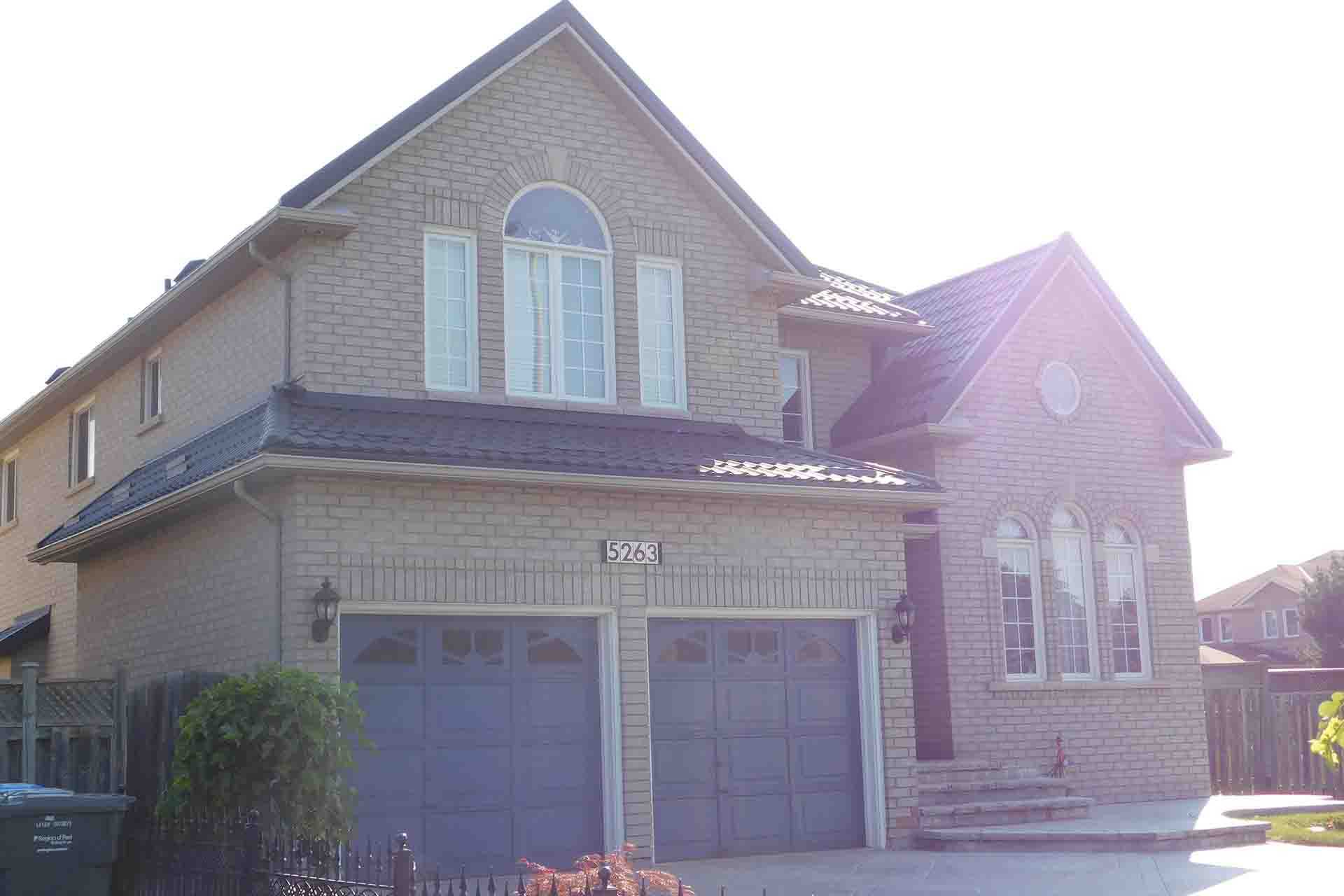
As summer temperatures continue to climb across Canada, homeowners are increasingly forced to evaluate how their properties handle intense, prolonged sun exposure. Preparing an envelope to withstand the elements requires a proactive look at your building materials, starting at the absolute highest point of the structure. For years, consumer hesitation around metal roofing centred on a common, reactionary assumption: if metal gets burning hot to the touch in the sun, won’t it turn the home below into an uncontrollable oven?
In reality, the underlying physics of modern architectural metal panels tell a completely different story. Just as a trusted family doctor emphasizes preventive wellness to protect your long-term health before seasonal stress strikes, a home requires a preventative structural check to handle thermal stress safely. Understanding how engineered steel systems interact with heatwaves is the key to maximizing indoor comfort and keeping your cooling costs in check when the sun is blazing.
The Quick Edit
- Low Thermal Mass: Metal panels absorb very little total heat energy and cool down almost instantly when the sun sets, unlike heavy asphalt shingles that trap heat for hours.
- Reflective Advantages: Advanced, cool-pigment factory finishes actively bounce solar radiation away from the attic space, keeping interior spaces naturally cooler.
- Expansion Management: A summer-ready metal roof relies on exact fastening clearances that allow the steel to expand and contract smoothly along its length without buckling.
Debunking the Myth: Do Metal Roofs Make Homes Hotter?
To truly understand how a steel panel performs during a heatwave, we have to look closely at the science of thermal mass. Thermal mass refers to a material’s ability to absorb, store, and slowly release heat over time. Heavy, dense building materials like asphalt shingles, concrete tiles, and brick possess incredibly high thermal mass. They act like thermal sponges, soaking up solar radiation all afternoon and slowly radiating that heat down into your attic long after dark.
Metal, on the other hand, features exceptionally low thermal mass. While an individual steel sheet will certainly feel hot to the touch at noon, it cannot store that heat energy. The moment a cloud passes overhead or the sun dips below the horizon, the metal sheds its heat almost instantly. This rapid cooling action means your attic stops fighting a constant radiant heat source the second evening arrives, giving your air conditioner a well-deserved break.
Furthermore, the natural reflective properties of metal roofs play a massive role in deflecting raw solar energy before it ever enters your home. Rather than absorbing the full force of the sun’s shortwave radiation, engineered panels bounce a significant portion of that energy back into the atmosphere. This inherent reflectivity explains why heavy-duty metal roofing is the best choice for agricultural buildings, where maintaining stable, safe interior temperatures for livestock without massive AC setups is a structural necessity.
The Economics of Cool Roof Pigments
Modern architectural metal finishes do not just rely on raw reflectivity. They utilize highly advanced chemical coatings to optimize energy efficiency. Premium manufacturers embed microscopic ceramic pigments directly into the factory-applied paint matrix. These specialized pigments are explicitly engineered to reflect infrared light, which is the specific spectrum of sunlight responsible for generating heat, while still maintaining deep, rich exterior colours.
By choosing these smart coatings, you drastically minimize the amount of heat energy that transitions from the outer panel face into the structural wood deck below. Testing shows that using a certified reflective coating in metal roofs reduces cooling costs by up to 20% to 40% compared to traditional dark asphalt roofing material. This translates directly into lower monthly utility bills and reduces the daily strain placed on your home’s HVAC compressor during peak heatwaves.
The Thermal Expansion Audit: Physics in Action
A metal roof provides a phenomenal shield against heat. However, the material itself must be installed with seasonal expansion in mind. Steel expands when it gets hot. It then shrinks when it cools down. A standard 30-foot standing seam panel can easily change by up to a quarter of an inch in length. This change happens as it transitions from a chilly spring morning to a scorching summer afternoon.
A summer-ready roof manages this movement smoothly. It utilizes hidden sliding clips or elongated fastener slots. Your roof might suffer from a poor installation where panels are pinned completely flat or screwed down too tightly. In this scenario, the expanding metal has nowhere to go. This trapped physical force causes the steel to buckle and warp. It also pulls hard against its fasteners. Over time, this stress can ovalize the screw holes and create hidden leak risks.
This internal structural stress often shows up visually across your roof’s glossy finish. High-sheen panels reflect a great deal of direct sunlight. Because of this, any slight ripple, bend, or heat-induced buckle will distort the light. The defect will quickly look like an uneven wave rolling up your slope. Ensure your installation team utilizes proper floating mechanics. This practice allows the roof to breathe and move silently without ruining its clean look.
The Role of the Radiant Barrier Underlayment
Beyond paint finishes and ventilation, the true defensive secret of a summer-ready metal roof lies hidden directly beneath the steel panels. During a comprehensive installation, a premium synthetic underlayment or a specialized radiant barrier sheet is pinned down over the plywood deck. This high-tech layer features a highly reflective aluminum surface facing upward toward the metal panels.
When the sun beats down on the roof, any small percentage of radiant heat that manages to pass through the steel panels runs directly into this radiant barrier. The reflective sheet stops up to 97% of this radiant heat transfer in its tracks, preventing it from baking the wooden roof deck. This extra line of defence works in perfect harmony with your attic insulation, ensuring your home’s upper level stays comfortable and dry even when regional temperatures smash seasonal records.
Pre-Summer Maintenance: Protecting the Barrier
Before the peak of summer heat arrives, a quick ground-level visual inspection is a smart way to ensure your system is prepared for the sun. Check the perimeter lines of your home to verify that your soffit intake vents and ridge exhaust caps are completely clear of winter debris, bird nests, or thick pollen accumulation. A reflective metal panel needs a continuous cushion of moving air underneath it to sweep away any minor heat transfer and keep the attic space perfectly balanced.
Additionally, keep an eye out for deep roof scratches caused by falling branches or heavy winter ice slides. Intense summer UV rays can accelerate the breakdown of protective primers inside deep, exposed gouges, giving rust a foothold when late-summer thunderstorms roll through. Addressing these minor surface scuffs early with an approved touch-up pen keeps your protective barrier completely unbroken.
Embracing Cool Roof Technology
A properly engineered metal roof is one of the absolute best defences a homeowner can have against severe summer heatwaves. By combining low thermal mass with advanced reflective paint technology, these systems actively prevent heat from entering your living spaces, lowering your energy footprint naturally. Partnering with certified installers who understand thermal expansion ensures your investment remains quiet, beautiful, and highly efficient for decades to come.