
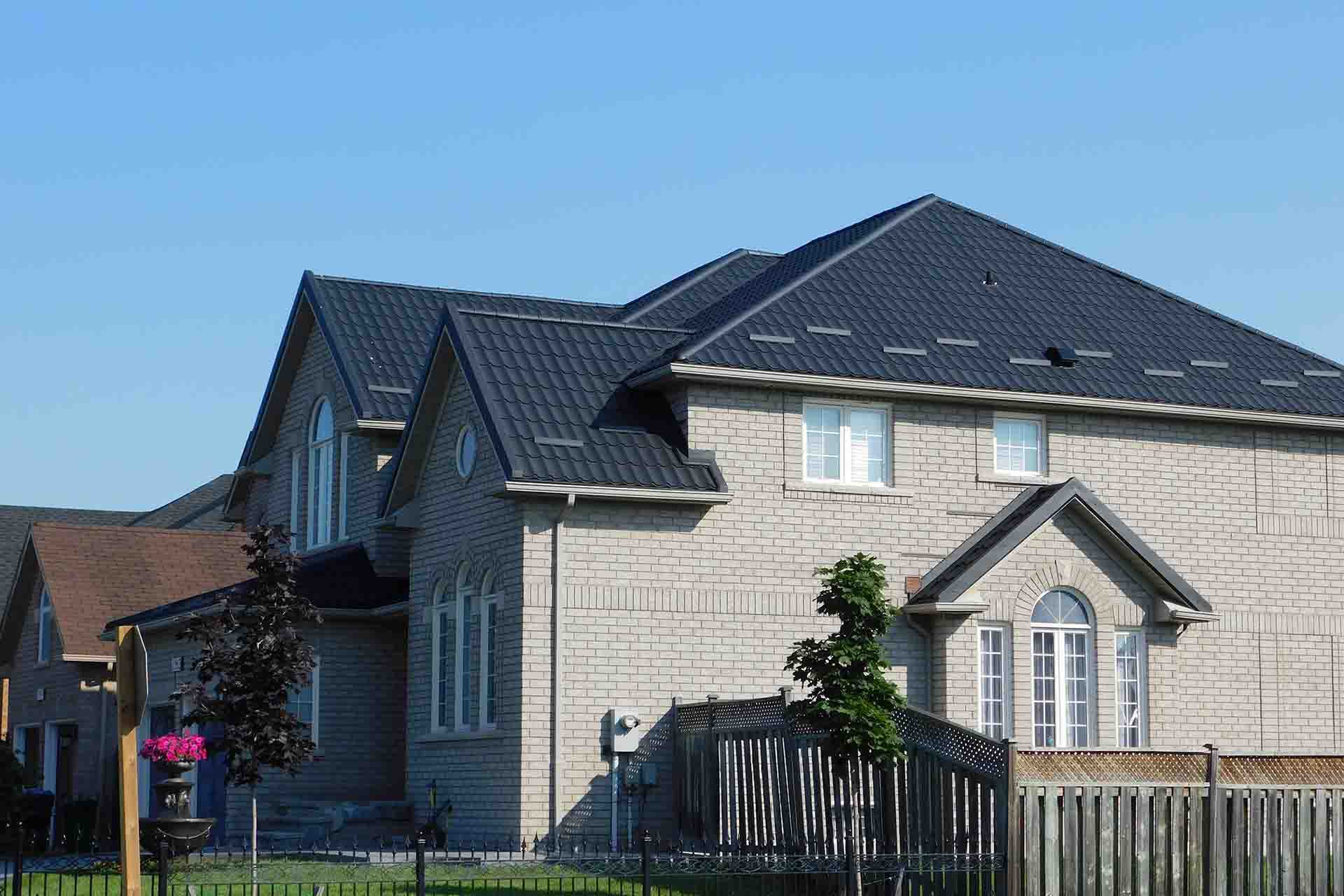
In the current Canadian building sector, homeowners are moving beyond basic aesthetics to embrace the complex thermodynamics of the building envelope. Many people begin their energy-efficiency journey with a window replacement to stop drafts and improve insulation. However, metal roofing remains the most powerful tool for managing the solar energy that strikes a home from above. While “reflectivity” is often discussed, the hidden science of thermal emissivity is what truly defines a high-performance roof. Understanding how a surface sheds heat is vital for maintaining a stable interior climate. Modern systems do not just block the sun. They actively manage heat exchange to ensure the home remains a sanctuary during increasingly hot summers.
Reflectance vs. Emissivity: The Thermodynamic Duo
To understand a cool roof, you must distinguish between solar reflectance and thermal emissivity. Reflectance is the material’s ability to bounce sunlight away before it turns into heat. Scientists often refer to this as the “Albedo” effect. A high-reflectance surface acts as a shield against the initial solar strike. However, every material inevitably absorbs some portion of the sun’s energy. This is where emissivity becomes the critical performance factor.
Thermal emissivity, or emittance, is the measure of how efficiently a surface radiates absorbed heat back into the atmosphere. Think of your roof as a thermal sponge. Reflectance determines how much heat stays out. Emissivity determines how quickly you can “wring the sponge out” once it gets hot. A material with low emissivity holds onto heat like a brick oven. Conversely, modern coated metal systems possess high emissivity. They shed heat almost as fast as they receive it, keeping the structural components beneath much cooler.
The Solar Reflectance Index (SRI)
The industry uses a metric called the Solar Reflectance Index (SRI) to rank performance. This value combines reflectance and emissivity into a single number between 0 and 100. A higher SRI indicates a cooler roof. In the past, achieving a high SRI required a white or very light-colored roof. However, 2026 coating technology has changed the rules for those considering purchasing a metal roof.
Modern “cool” pigments allow for dark charcoals and deep bronzes to achieve high SRI scores. These pigments are engineered to reflect the near-infrared spectrum of light, which carries half of the sun’s heat. By combining these pigments with high-emissivity resins, we ensure that the design of metal roofs plays a pivotal role in enhancing their heat absorption capabilities by actually reducing the amount of energy the material retains. This allows Canadian homeowners to maintain a classic aesthetic while benefiting from cutting-edge building science.
Nighttime Thermal Discharge
One of the greatest advantages of high-emissivity metal is how it behaves after sunset. Traditional materials like asphalt shingles act as “thermal batteries.” They soak up heat all day and continue to radiate that energy into the attic long after the sun has gone down. This forces your air conditioning system to work overtime well into the night. Metal roofing resets the clock almost instantly.
Because metal has low thermal mass and high emissivity, it sheds its stored energy within minutes of the sun setting. The roof temperature quickly drops to match the ambient outdoor air. This rapid cooling allows the attic to begin its own cooling cycle much earlier in the evening. This thermodynamic “reset” is a major factor when determining the type of metal roof that is best for your region. In urban areas where heat stays trapped between buildings, a fast-cooling roof provides a massive advantage for interior comfort.
Preventing Thermal Shock and Structural Fatigue
Emissivity is not just about comfort. It is about the physical longevity of the roof itself. When a roof reaches extreme temperatures, it undergoes significant expansion. This is known as “thermal shimmy.” Constant expansion and contraction can put immense stress on fasteners and sealants. By utilizing high-emissivity coatings, we keep the peak temperature of the metal much lower.
This temperature stability reduces the physical wear and tear on the entire assembly. A roof that stays closer to ambient temperatures experiences less thermal shock. This leads to a longer lifespan for the protective coatings and the mechanical joints. For the 2026 homeowner, this means fewer maintenance requirements over 50 years. High-performance physics leads directly to a more durable building envelope that protects the home’s structural integrity.
Addressing Moisture and the Attic Environment
The thermal performance of a roof is inextricably linked to moisture management. Attic condensation occurs when warm, moist air from the home hits a cold surface. A high-emissivity roof helps regulate this by ensuring the roof surface does not stay artificially warm or cold compared to the outdoor environment. This stability is key to a “Cold Roof” strategy.
When the roof temperature is managed correctly, the ventilation system can work at peak efficiency. It prevents the stagnant, humid conditions that lead to mould growth on the underside of the roof deck. By keeping the attic environment stable, the metal system protects the wood framing from hidden rot. This holistic approach to building science is why metal has become the gold standard for high-performance Canadian homes.
Engineering for Critical Points: The Hydraulic Load
Even the most thermally efficient roof must handle the physical weight of water and snow. Valleys are the primary leak point on any roof shape because they funnel the highest volume of runoff. In a metal system, these are engineered as open, unobstructed channels. They allow water and ice to slide off quickly, preventing the “damming” effect common in shingle roofs.
Proper valley engineering ensures that even during a rapid spring thaw, the home remains dry. These channels are often protected by self-healing underlayments that provide a secondary layer of security. By treating the valley as a high-flow hydraulic channel, we remove the most common failure points. This precision ensures that the thermal benefits of the roof are not compromised by water ingress.
Sustainability and the Circular Economy
Sustainability in 2026 is measured by the total lifecycle of the material. Most high-performance metal roofs are manufactured from 95% recycled content and can be 100% recycled again. This circular model is a massive departure from the “disposable” culture of asphalt. Metal is a permanent resource that never loses its mechanical properties. It can be reclaimed and forged into new products at the end of its long service life.
Choosing a recycled material reduces the energy required for manufacturing by up to 75%. This significantly lowers the “embodied carbon” of the building. Homeowners are no longer just buying a roof; they are investing in a sustainable loop. This commitment to the environment is a major selling point for modern buyers. It ensures that the home remains an asset to the planet as well as the owner.
Securing the Building Envelope with Science
In the final analysis, mastering the physics of emissivity separates a standard roof from a high-performance building envelope. By utilizing materials that manage thermodynamics, homeowners can invest in a permanent solution that respects the laws of physics. These advanced systems provide a sophisticated blend of structural resilience and thermal efficiency. By addressing the specific needs of the Canadian climate, metal ensures that the building remains protected and efficient for decades. Choosing a system based on long-term data ensures your investment remains an asset to both your home and the environment.