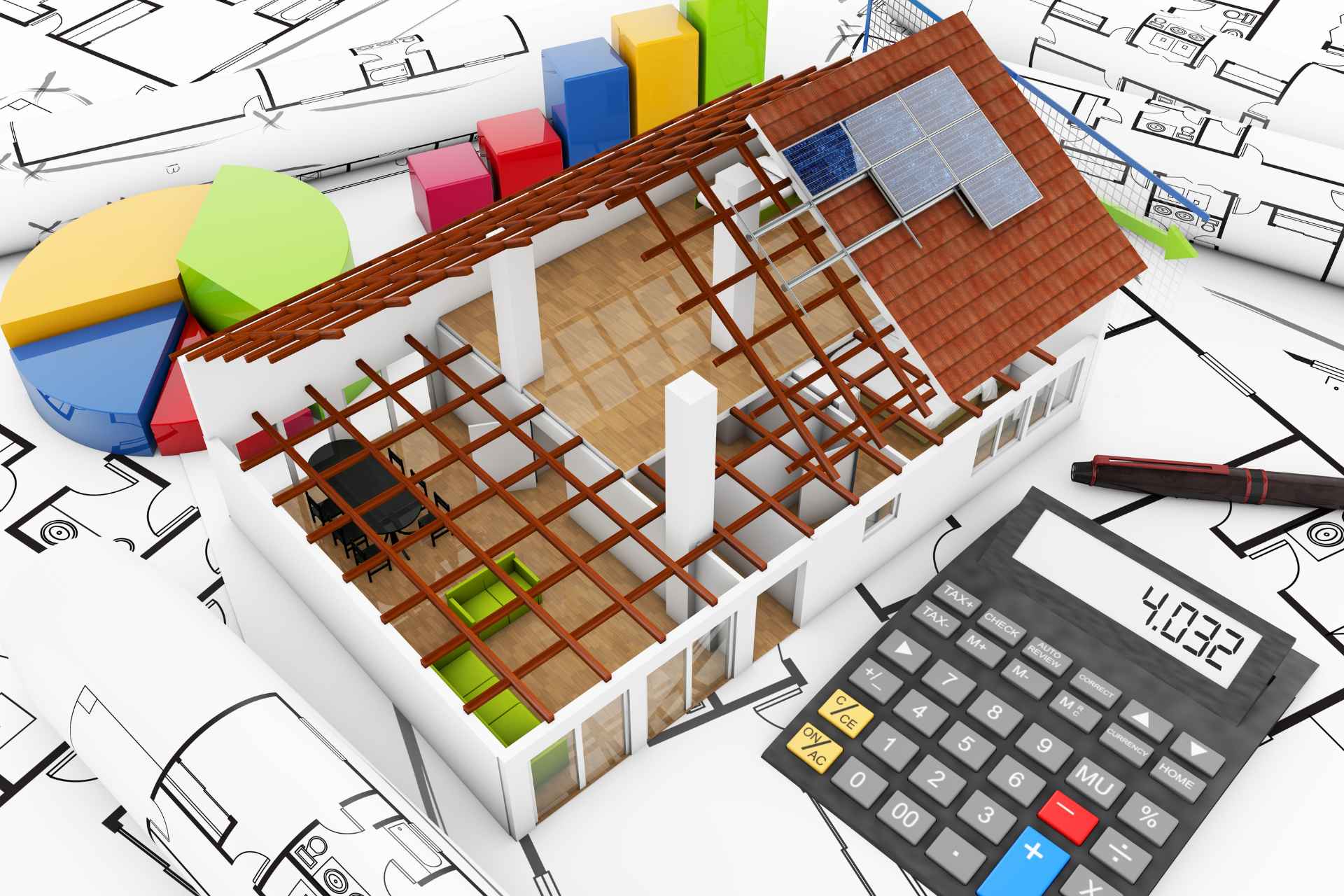
Planning a major home renovation requires a clear understanding of where your money goes. A roof replacement is one of the biggest investments you will make in your property. When you start gathering quotes from contractors, seeing huge price gaps in each cost estimate between different bids can be confusing and overwhelming.
Upgrading your home’s exterior means looking at how different parts work together. Just as executing basement underpinning strengthens your foundation walls to create extra living space downstairs, installing new overhead cladding protects your entire home from top to bottom. Every major renovation requires clear budgeting, quality materials, and skilled labour to protect your investment.
Choosing long-lasting metal roofing creates an impenetrable shield against rain, heavy snow, and high winds. To make a smart financial decision, you need to understand how to read a contractor proposal line by line—from raw panel materials to installation labour.
The Quick Edit
- Detailed Proposals Matter: A professional cost estimate breaks down panel thickness, metal type, underlayments, trim details, and labour instead of giving you a single mysterious price tag.
- Watch Out for Hidden Cuts: Cheap contractor quotes often save money on unseen parts, using low-quality screws, cheap sealants, or weak underlayments that fail long before the metal panels do.
- Long-Term Financial Savings: Paying for high-grade materials and skilled labour gives you a roof that lasts over fifty years, saving you money on future repairs and replacements.
Dissecting the Proposal: Core Material Specifications
The first part of any detailed quote covers the primary metal panels. The style of panel you choose directly affects both material price and the labour needed to install it. Simple exposed-fastener corrugated sheets are the most affordable, while sleek standing seam systems require precise interlocking installation.
Metal thickness is measured by gauge numbers. Here is the trick: lower gauge numbers mean thicker, stronger metal. Most homes use 26-gauge to 24-gauge steel, while commercial buildings exposed to severe winds use heavy 22-gauge panels. Choosing thin 29-gauge metal saves money upfront, but it dents easily during hailstorms and can show wavy distortions over time.
The type of metal under the paint determines how well your roof fights off rust. Your cost estimate should clearly state whether the panels use an aluminum-zinc blend (Galvalume) or a protective zinc layer. Choosing G90 galvanized steel metal roofing ensures a thick zinc coating that protects cut edges and screw holes from rusting.
Paint quality is another major cost factor. Cheaper quotes often use basic polyester paint that fades and chalks within ten years. High-end estimates specify PVDF coatings, commonly sold under the name Kynar 500. These advanced finishes resist harsh sun rays, keeping their colour and heat-reflecting qualities for over forty years.
Secondary Components: Underlayments, Fasteners, and Flashings
A metal roof is only as strong as its weakest part. Reliable contractors invest a solid portion of your budget into hidden waterproofing layers and specialized hardware that sit beneath the metal panels.
The underlayment sits directly on your roof deck as a second line of defence. Old-fashioned asphalt felt paper wears out quickly under hot metal panels. Quality estimates include high-temperature synthetic underlayments that stick directly to the deck. These rubberized sheets seal tightly around every screw hole and withstand high heat without melting.
Fasteners also deserve a close look during your cost estimate review. Basic metal roof screws use rubber washers to block water. Over time, sunlight cracks cheap rubber washers and creates tiny leaks. Experienced contractors use high-grade screws with alloy heads that never rust or crack in the sun.
Custom trim pieces around chimneys, skylights, and roof edges take extra time and material to craft. Standard pre-bent trims leave small gaps that rely on caulk to stop water. A thorough cost estimate includes custom-shaped flashings that lock directly into the metal panels, creating a permanent barrier without relying on temporary sealant.
Labour Allocation, Structural Prep, and Building Physics
Labour costs cover crew experience, job site safety, and preparing your roof deck. A complete quote lists removing old roofing, inspecting the wood decking underneath, and levelling out uneven framing before installing new metal panels.
In many cases, you do not need to tear off your old roof. After evaluating your home, a contractor might suggest you consider retrofitting an aging roof by mounting metal framing directly over your old shingles, saving you thousands of dollars in cleanup and disposal fees.
When reviewing labour details, check how the contractor manages heat transfer. Unchecked thermal bridging happens when metal screws or frame bars create a direct path for heat to travel from inside your home into the cold outside air. Skilled installers use thermal barrier strips to block this heat flow, preventing winter heat loss and indoor ceiling condensation.
Fixing weak wood decking before installation is essential. If old leaks have rotted the wood underneath, you need to recognize when it’s time to replace the roof decking so your new metal screws have solid, healthy wood to bite into.
Cleanup, safety equipment, and project management reflect professional work standards. Contractors who carry proper insurance, follow safety rules, and use specialized metal-bending tools have higher operating costs, but they protect you from costly accident liabilities on your property.
Evaluating Contractor Qualifications and Long-Term Warranties
Reading a quote also means checking who will do the actual work. Installing metal panels requires special metalworking skills that general roofing crews often lack.
Taking the time to focus on hiring the right metal roofing contractor ensures your home is handled by factory-trained specialists who understand how metal expands in the summer, where to place hidden clips, and how to seal watertight seams.
Make sure you understand the difference between material warranties and labour warranties. Paint manufacturers offer 30-to-40-year warranties that cover colour fading, but they do not cover leaks caused by poor installation. Workmanship warranties come directly from your contractor, covering installation mistakes and leaks anywhere from five to twenty-five years.
Top contractors certified by panel manufacturers can offer special factory-backed warranties. Under these programs, a factory inspector checks the finished roof in person before issuing a combined warranty that covers both the materials and the leak-free installation work.
Financial Planning: Capital Allocation and Return on Investment
Think of a metal roof as a long-term investment rather than a quick repair bill. While standard asphalt shingle roofs need a complete replacement every twelve to fifteen years, a well-built metal roof easily lasts fifty years or more.
Smart financial planning when budgeting for a metal roofing project means looking at the big picture. You save money through lower maintenance costs, potential home insurance discounts for hail protection, and lower summer cooling bills thanks to heat-reflecting paint.
Standard asphalt shingle roofs require three costly tear-offs and replacements over a 50-year period. A standing seam metal roof requires just one initial installation and minor periodic checks, giving you the lowest total cost over fifty years.
To compare quotes fairly, calculate your roof’s actual cost per year. Dividing your total estimate by a 50-year service life proves that a premium metal roof is much cheaper per year than installing short-lived shingles over and over again.
Smart Financial Decisions for Your Home
A detailed metal roofing cost estimate gives you a clear map of material quality, installation safety, and overall roof performance. By learning how to read line items for panel thickness, paint coatings, underlayments, and labour details, you can choose a contractor with total confidence. Investing in high-grade metal and certified installation protects your home, stops recurring repair bills, and builds lasting value for decades to come.