
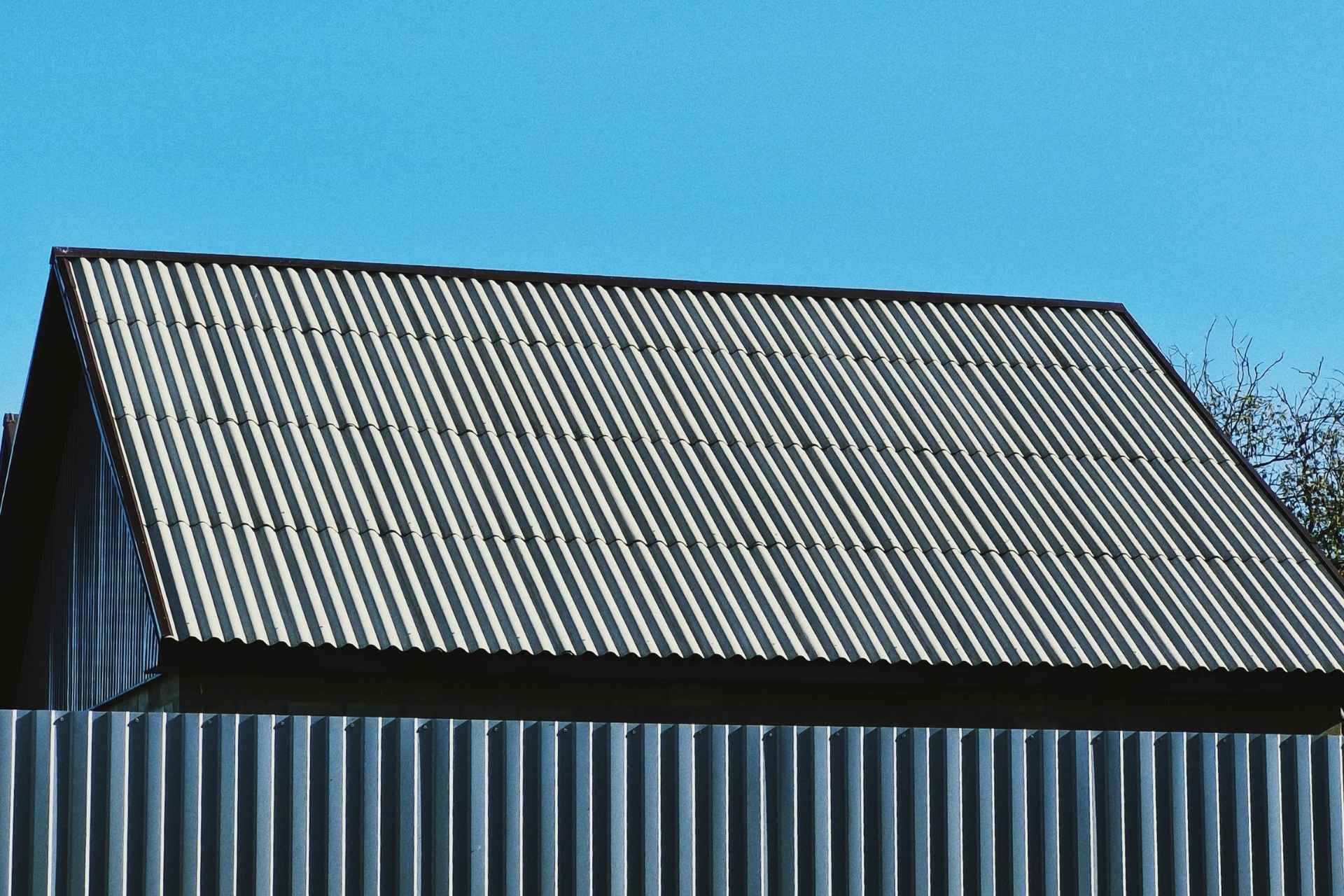
Building envelope integrity hinges on a simple operational requirement: keeping moisture, thermal energy, and environmental pollutants away from structural framing. When managing residential or commercial assets, selecting exterior cladding capable of withstanding extreme climate shifts is critical. Sub-grade systems, exterior wall cladding, and roofing panels must operate as an integrated unit to shield the interior envelope from premature decay.
During seasonal weather shifts, extreme thermal cycling accelerates material degradation across all exterior surfaces. While property managers routinely inspect overhead assemblies, complete building envelope management requires monitoring every perimeter barrier. A comprehensive protection strategy coordinates overhead panel performance with surrounding exterior features—ensuring that primary overhead protection works in tandem with peripheral barriers, secure garage doors, and proper drainage paths to prevent water intrusion.
Choosing long-term exterior materials requires understanding how different metals perform under environmental stress. Installing high-performance metal roofing establishes a resilient primary line of defence against severe weather events, high winds, and heavy snow loads. Understanding the metallurgy behind galvanized steel helps property owners make informed decisions that protect capital assets and maintain long-term equity.
The Quick Edit
- The Structural Metallurgy: Galvanized steel uses a continuous hot-dip zinc coating to protect a structural steel core through physical barrier isolation and sacrificial cathodic protection.
- The Environmental Threat: Environmental exposure, salt spray, standing moisture, and sulphur dioxide from acid rain can corrode metal roofs if protective coatings wear down or sustain physical damage.
- The Asset Preservation Strategy: Inspecting fasteners, maintaining panel clearance, and checking coating thickness preserves structural integrity and delays expensive retrofits.
The Metallurgy of Galvanized Steel: Barrier vs. Cathodic Protection
Galvanized steel remains a cornerstone material in modern construction due to its high strength-to-weight ratio and corrosion resistance. Base structural steel possesses high tensile strength, but raw iron oxidizes rapidly when exposed to atmospheric oxygen and moisture. To prevent iron oxide formation, steel coil passes through a molten zinc bath in a continuous hot-dip galvanizing line.
This metallurgical bonding process forms a series of zinc-iron alloy layers topped by a pure zinc surface layer. The coating protects the underlying steel through two distinct mechanisms: physical barrier protection and galvanic (cathodic) protection.
The barrier layer isolates the steel substrate from water, oxygen, and airborne contaminants. Zinc reacts with atmospheric oxygen to form zinc oxide, which converts to zinc carbonate upon exposure to moisture and carbon dioxide. This zinc carbonate film forms a tough, tightly adherent patina that slows down further corrosion rates.
Cathodic protection acts as an automatic defence system when cut edges, drill holes, or surface scratches expose the bare steel core. In the electrochemical series, zinc exhibits a lower galvanic potential than iron. When atmospheric moisture acts as an electrolyte, the surrounding zinc acts as a sacrificial anode, corroding preferentially to protect the exposed steel cathode. This cathodic mechanism prevents rust from spreading beneath intact paint films or deep into cut panel edges.
Environmental Stressors and Corrosion Chemistry
Despite its durability, galvanized steel faces continuous degradation from aggressive environmental factors. Understanding atmospheric corrosion chemistry helps building managers anticipate maintenance timelines and select suitable panel grades for local conditions.
Industrial air pollutants, coastal salt spray, and acid rain represent significant threats to zinc coatings. Sulphur dioxide and nitrogen oxides present in industrial environments dissolve in atmospheric precipitation to form acidic compounds. High acidic precipitation accelerates the dissolution of the protective zinc carbonate patina, exposing the raw alloy layers underneath. Over time, persistent exposure to environmental pollutants like acid rain can corrode metal roofs, eroding the protective zinc barrier and causing early red rust formation on the steel core.
Industrial acid rain causes acidic dissolution of the zinc carbonate patina, accelerating uniform coating thickness loss. To mitigate this damage, high-performance PVDF or Kynar organic topcoats should be applied over the galvanized substrate.
In coastal areas, marine salt spray introduces chloride ions that penetrate micro-cracks in protective patinas, causing localized pitting and rapid cathodic consumption. Counteracting salt spray requires high-mass zinc coatings such as G90 or specialized Galvalume AZ50 materials.
Standing moisture and trapped organic debris create anaerobic cells, accumulating white rust or zinc hydroxide. Proper roof pitch design and routine debris removal prevent this standing moisture buildup.
Finally, direct contact between dissimilar metals triggers rapid localized anode breakdown through galvanic corrosion. Isolating gaskets and non-conductive fasteners eliminate this direct electrical contact and protect the zinc layer.
Comparing Galvanized Steel to Alternate Metal Roofing Systems
Selecting the right metal substrate requires balancing upfront capital expenditure against long-term performance requirements. Evaluating different types of metal roofing materials helps property owners choose the ideal panel profile and coating specification for their building envelope.
Galvanized Steel (G90) consists of a structural steel core coated with 100% pure zinc or zinc-iron alloy. It offers superior sacrificial protection along cut edges and drilled holes, making it suitable for high-snow environments or regions prone to physical panel impacts.
Galvalume Steel (AZ50/AZ55) uses a hot-dip coating of 55% aluminum, 43.4% zinc, and 1.6% silicon over steel. The aluminum provides long-term barrier protection against atmospheric weathering, while the zinc offers localized edge protection. Galvalume outlasts standard galvanized coatings in neutral, rural, and suburban environments, but performs poorly in highly alkaline environments like concrete contact zones or livestock shelters.
Aluminum Alloys (3000/5000 Series) are non-ferrous solid aluminum panels that naturally resist rust because the metal forms a protective aluminum oxide film upon air exposure. Highly recommended for marine locations within 1,500 feet of saltwater shorelines, solid aluminum panels carry higher initial material costs and expand more under thermal shifts.
Copper and zinc represent premium natural architectural metals that develop protective patinas over time without synthetic paint coatings. They offer a 100+ year service life, but require a significantly higher initial investment.
Outside of standing seam configurations, exposure profile flexibility drives panel selection across both residential and commercial projects. Assessing the versatility of corrugated metal roofs shows how exposed-fastener corrugated profiles provide high structural load capacity, rapid installation, and cost-effective rain screening across secondary structures, agricultural buildings, and modern architectural accents.
Structural Maintenance, Thermal Insulation, and Envelope Integration
A metal roof functions as part of a complete building envelope that includes insulation, vapour barriers, air sealing, and structural framing. Proper system integration prevents moisture accumulation and limits thermal energy transfer.
Controlling thermal bridging is critical when attaching conductive steel panels over building frames. Unmitigated thermal bridging occurs when metal fasteners, Z-purlins, or steel rafters create a direct heat-conduction path through the insulation layer. During cold months, indoor heat escapes through these conductive points, cooling internal panel surfaces below the dew point. Moisture then condenses inside the roof cavity, soaking insulation, degrading wood framing, and corroding metal fasteners.
To prevent thermal bridging, building envelope specifications should incorporate continuous rigid insulation, thermal isolation strips, and high-temperature synthetic underlayments beneath metal panels. Thermally isolating metal cladding ensures that condensation forms safely outside the drainage plane, protecting interior ceilings and structural decking.
During routine envelope evaluations, building managers often uncover degraded sub-framing, sagging decks, or failing insulation systems. In these scenarios, property owners may need to consider retrofitting an aging roof by installing sub-framing systems and continuous insulation over the existing assembly, or executing a full tear-off to restore structural performance.
Understanding budget requirements across different material profiles helps property owners plan capital improvements effectively. Reviewing a detailed metal roofing cost estimate allows building managers to compare initial installation costs against long-term energy savings, lower maintenance demands, and extended asset service life.
Protecting Capital Assets with Galvanized Steel
Installing a galvanized steel roofing system safeguards real estate assets against severe weather, wind uplift, and moisture degradation. The dual protection of physical barrier isolation and sacrificial cathodic action ensures that galvanized steel continues to perform even when exposed to harsh environmental conditions. By selecting appropriate coating weights, insulating against thermal bridges, and carrying out routine envelope maintenance, property managers preserve structural integrity, lower operating costs, and secure long-term property equity.