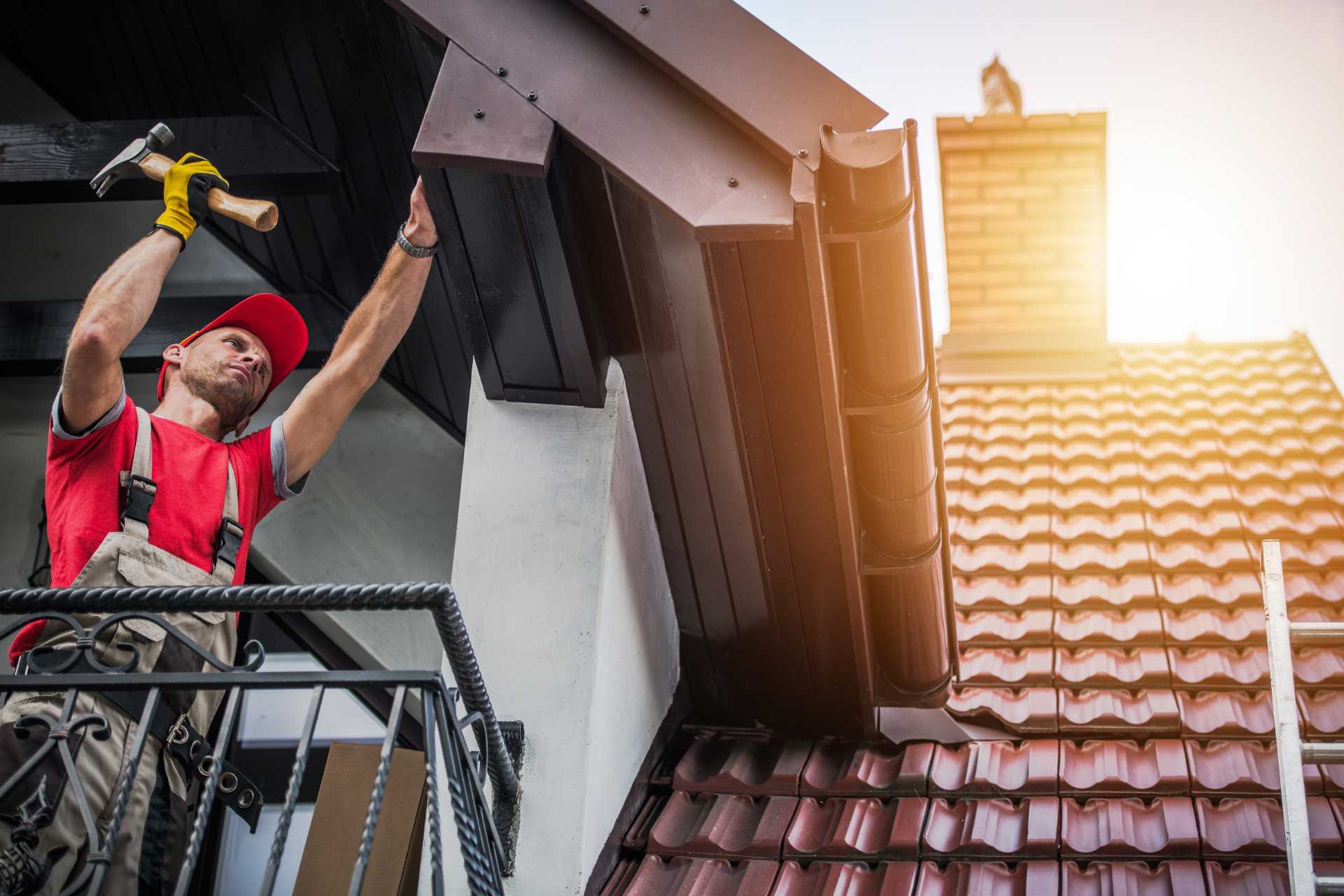
A home is a collection of structural systems that must function in perfect harmony to withstand harsh climate shifts. While many property owners focus heavily on interior cosmetics, true structural resilience requires a high-performance exterior building envelope. Working with a qualified metal roofing contractor to upgrade your home with permanent, high-tier metal roofing creates an impervious barrier against heavy snow loads, driving rain, and intense summer UV rays.
Coordinating these major exterior renovations can completely transform your home’s efficiency and overall curb appeal. For instance, pairing a new roof installation with a high-efficiency window replacement seals systemic energy leaks and lowers your monthly heating and cooling bills. Similarly, integrating smart property upgrades, such as an automated subterranean irrigation system, ensures your exterior grounds match the modern profile of your newly updated home.
The Quick Edit
- Manufacturer Certification: Only hire contractors explicitly certified by the metal panel manufacturer to ensure your lifetime material warranty remains valid.
- Specialized Tooling: Ensure the crew utilizes torque-calibrated drivers and mechanical seaming machines rather than generic tools designed for asphalt shingles.
- Localized Compliance: Verify active provincial safety credentials, comprehensive liability insurance, and a clear history of navigating local Canadian building codes.
The Metallurgy Trap: Why General Crews Fail on Metal Profiles
A metal roof is an engineered asset that demands tight tolerances and specialized mechanical handling. General roofing crews accustomed to nailing down asphalt shingles often treat metal panels with the same casual installation habits. This lack of specialized training introduces severe mechanical flaws that inevitably ruin the longevity of the material.
Metal panels undergo significant thermal expansion and contraction as Canadian temperatures swing from freezing winters to scorching summers. If a crew locks these panels down too tightly with standard fasteners, the metal will buckle, warp, and tear open at the screw holes.
Deploying workers without specific training results in critical errors during assembly. A panel can expand significantly over a long run during a seasonal temperature swing, necessitating flexible floating clips rather than rigid nails. When a crew uses general impact drivers on an exposed-fastener system, they frequently strip the neoprene washers and create micro-reservoirs for standing water.
The Invisible Stress: Oil Canning and Sub-Grade Irregularities
Property owners often choose a sleek standing seam profile or a textured corrugated metal roof to achieve a clean, modern architectural look. However, if the underlying roof deck is uneven or warped, the metal panels will telegraph those imperfections to the surface. This creates a highly visible, wavy distortion across the flat areas of the metal sheets, a cosmetic defect known in the industry as oil canning.
Unqualified installers frequently lay new metal panels directly over old, sagging plywood or compromised shingle layers to save on labour. This lazy practice prevents the panels from sitting perfectly flat and creates built-in structural stress across the entire system. Over time, constant thermal movement causes these stressed areas to loosen, resulting in loud oil-canning pops during windy or sunny days.
A critical variable in exterior engineering is the structural impact of asymmetric deck preparation, especially when combined with flawed attic ventilation calculations. Installing a premium metal system over an unventilated attic traps warm, humid household air directly beneath the roof deck. This hidden moisture accumulation creates an intense greenhouse effect, slowly rotting the structural plywood sheathing from the inside out and rusting the metal fasteners long before the exterior coating ever shows signs of atmospheric wear.
Technical Coating Performance: Resin Degradation and Maintenance
The long-term performance of your roof is heavily tied to the chemical formulation of its exterior paint system. Premium metal roofs feature advanced PVDF (polyvinylidene fluoride) coatings designed to resist intense ultraviolet radiation and chemical weathering. Lower-grade polyester coatings degrade rapidly under constant solar exposure, leading to a breakdown of the paint resin.
Metal roof chalking is the direct result of this resin degradation, appearing as a white, powdery residue that dulls your home’s colour. While this powdering doesn’t immediately cause the steel to rust, it signals that the protective layer is thinning out. Choosing an experienced contractor who sources high-tier PVDF finishes ensures your roof maintains its colour and structural defence for decades.
Essential Best Practices: General Tips for Vetting a Roofer
Protecting your capital during a major exterior renovation requires a strict vetting process. It must go far beyond reviewing a simple cost estimate. The most critical step is ensuring the company carries valid commercial general liability insurance and current provincial workplace safety coverage. Requesting these certificates directly from the insurance provider protects you from immense legal and financial liabilities if an accident occurs on your property.
A reputable contractor will always provide a detailed, written scope of work. This document specifies the exact materials to be used down to the gauge thickness. They should also outline the project timeline and cleanup expectations. Furthermore, the plan must detail how they will protect your landscaping during the tear-off process. True professionals never demand massive upfront deposits before dropping off materials; instead, they operate on a structured milestone payment schedule.
Speaking directly with recent local client references gives you authentic insight into a crew’s performance. It reveals their punctuality, communication style, and job site cleanliness. Take the time to ask past clients how the contractor handled unexpected structural discoveries. A prime example is finding hidden deck rot under old shingles. A company that exhibits transparent communication during these difficult moments will always deliver a smoother, stress-free construction experience.
The Financial Trap of Subpar Bids and Poor Craftsmanship
It is incredibly tempting for a property owner to accept the lowest estimate provided during the bidding phase. However, opting for a cheap roof always means accepting compromised materials, zero structural engineering prep, and uncertified labour. Cut-rate companies balance their low prices by using thin, low-gauge metal, cheap synthetic underlayments, and generic flashing scraps.
These cut-corner practices create immediate vulnerabilities around chimneys, valleys, and skylights, leading to slow water leaks that destroy insulation and rot wood framing. Correcting these mistakes down the road can cost up to three times the price of doing the job right the first time.
Severe and costly common metal roofing mistakes can be easily avoided with professional oversight from specialized trade companies. For example, inexperienced workers frequently use standard carbon steel screws on premium aluminum or zinc-coated panels. This mistake causes galvanic corrosion, a destructive chemical reaction between dissimilar metals that eats away the roof around the fastener holes within a few seasons.
When calculating your long-term budget, you must carefully evaluate the core factors that affect the total cost of your metal roof replacement project. True investment value is determined by the gauge thickness of the steel, the complexity of your roof’s slope, and the deployment of a certified, highly trained installation crew. Investing in premium craftsmanship protects your capital and ensures you won’t be dealing with structural damage down the line.
Identifying True Wear and Preparing for Your Installation
Determining exactly when it’s time to replace your roof requires a careful inspection of your existing structure’s history. Ongoing leaks, visible panel sagging, widespread fastener back-out, and advanced paint failure are clear indicators that your home’s exterior defence is structurally compromised.
Working with a certified specialist ensures that your old roofing material is cleanly stripped away, the underlying deck is reinforced, and your new metal asset is engineered to last. Taking a precise, data-driven approach to choosing your contractor secures your property investment and keeps your home fully protected for decades to come.