The visual brilliance of a modern home exterior relies completely on the chemical stability of its protective coatings. Property owners spend considerable time selecting the perfect colour palette to elevate their architectural style. However, constant exposure to the elements tests the limits of exterior paint formulations over time, often resulting in surface chalking. Tracking these surface changes is an essential part of maintaining a high-performance building envelope.
Managing home health requires checking individual systems before major damage spreads to the underlying structure. For instance, spotting degraded seals on exterior siding or trim allows you to stop moisture rot before it destroys your wall framing. Tracing the early warning signs of exterior paint degradation on your metal roofing system provides that same critical protection for your upper framing assembly.
The Quick Edit
- Chemical Breakdown: Chalking occurs when intense solar UV radiation degrades the paint’s resin binder, turning the finish into a white, powdery residue.
- Resin Quality Matters: Low-grade polyester finishes chalk rapidly, while high-tier PVDF fluoropolymer coatings resist molecular breakdown for decades.
- Preventative Action: Identifying chalking early allows you to wash away the powder and apply specialized field coatings before the underlying metal begins to rust.
The Science of Chalking: Resin Degradation and Chemical Weathering
Industrial paint is an engineered mixture of solid colour pigments held together by a liquid chemical resin binder. The resin acts as the glue that anchors the protective colour finish directly to the underlying galvanized steel panel. When a home is exposed to years of direct sunlight, intense ultraviolet rays bombard the roof surface.
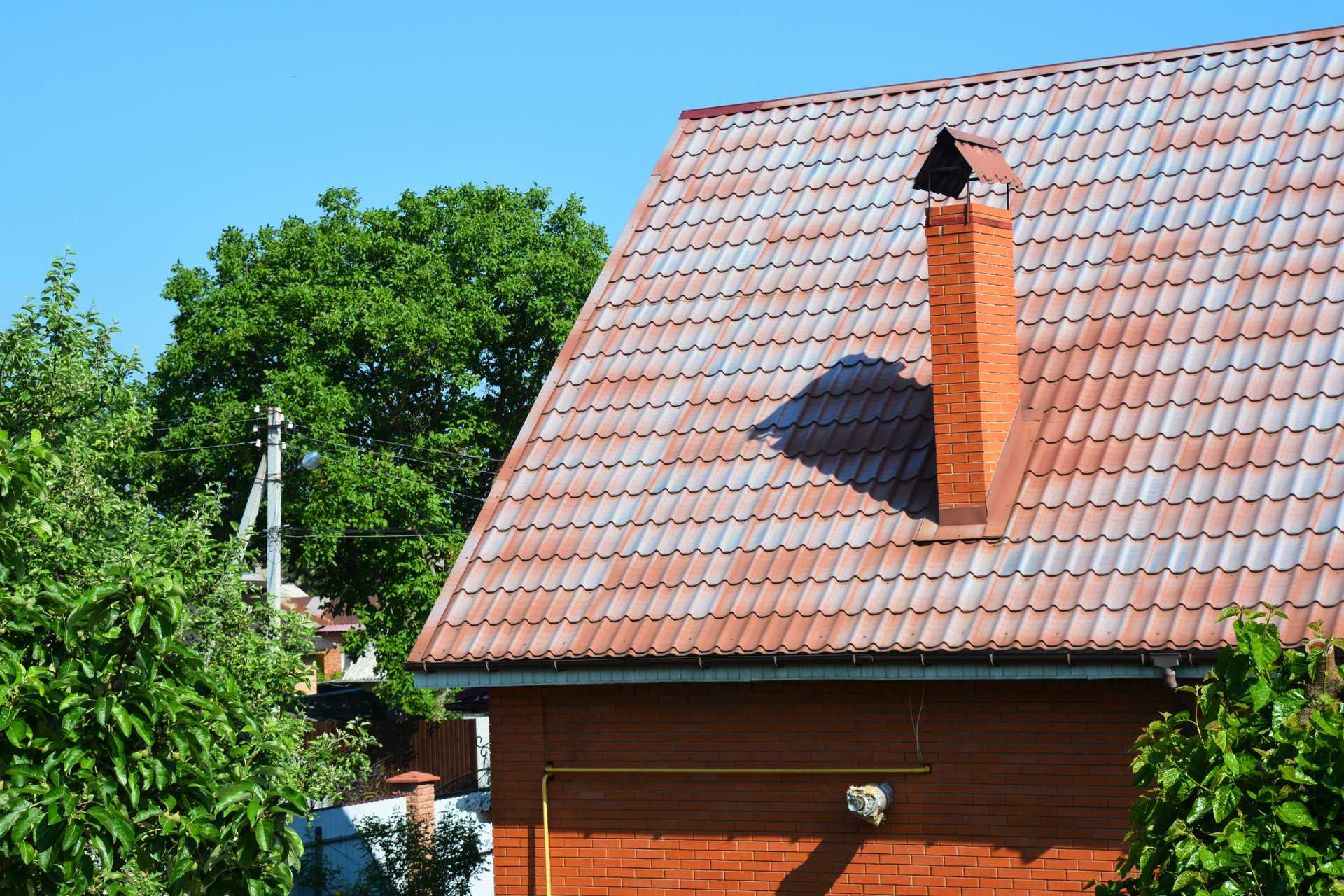
This solar radiation slowly breaks down the chemical polymer bonds within the paint matrix. As the resin binder degrades, the solid colour pigments lose their physical anchor and break apart. The detached pigment particles rise to the surface, forming a white, chalky powder that dulls the original colour.
Environmental Catalysts: How Local Climate Accelerates Coating Failure
While solar ultraviolet radiation is the primary driver of paint degradation, localized environmental factors heavily accelerate the chalking process. Properties located near busy industrial zones, high-traffic corridors, or coastal areas face constant exposure to atmospheric pollutants and airborne chemicals. Severe smog, nitrous oxides, and sulfur dioxide combine with atmospheric moisture to form highly corrosive acid rain patterns on your roof.
This acidic moisture sits in the micro-crevices of the metal panels, chemically attacking the resin binders much faster than standard sunlight alone. In northern climates, this issue is complicated by the freeze-thaw cycle, where trapped moisture expands inside the weakening paint film and physical cracks develop. Understanding these local climate catalysts highlights why choosing a premium, chemically inert coating system is essential for long-term structural survivability.
Technical Coating Performance: Polyester vs. PVDF Resins
The specific chemical formulation of your roof’s paint system dictates exactly how fast this powdering process occurs. Lower-grade polyester and silicone-modified polyester coatings are highly susceptible to early UV damage. These budget finishes often show significant fading and surface powdering within the first ten years of outdoor exposure.
In contrast, premium PVDF (polyvinylidene fluoride) fluoropolymer coatings use incredibly strong carbon-fluorine chemical bonds. This advanced molecular structure easily resists the degrading effects of intense solar radiation and harsh acid rain. Sourcing a system with top-tier PVDF chemistry guarantees your finish will remain vibrant and chemically stable for decades.
Evaluating Surface Degradation with the ASTM D4214 Standard
Structural engineers do not rely on simple visual guesswork to determine the severity of paint failure on a building. They utilize the strict ASTM D4214 testing standard to accurately measure the level of surface powdering. This diagnostic test involves pressing a specialized velvet fabric pad directly against the faded metal panel with consistent physical pressure.
The amount of white powder transferred to the dark fabric is then compared against a standard photographic grading chart ranging from 1 to 10. A rating of 10 indicates absolutely zero surface degradation or paint film breakdown. A score falling below 6 signals that the resin has suffered deep chemical damage and requires immediate professional intervention.
Sourcing the Right Materials and Aesthetic Profiles
Protecting your real estate asset from premature fading requires making smart material decisions during the initial design phase. Property owners often choose a highly textured corrugated metal roof or a sleek standing seam layout to match modern architectural trends. No matter which profile you select, you must confirm the chemical grading of the factory-applied paint system with your installer.
If you prefer a contemporary look that hides minor surface scratches, opting for a matte metal roofing finish is an exceptional strategy. Premium matte finishes are engineered with high-grade resins that diffuse bright sunlight without degrading under intense UV exposure. Verifying these paint specifications upfront allows you to customize your home’s aesthetic while securing a lifetime of reliable performance.
The Hazards of Cut-Rate Bids and Poor Installation Choices
Many homeowners prioritize the lowest possible estimate when reviewing competing bids for an exterior renovation. However, accepting a low-cost proposal almost always means accepting low-tier paints, thin metal panels, and uncertified labour. Investing in a cheap roof results in rapid paint fading, ruined curb appeal, and early material breakdown.
Subcontractors who offer cut-rate pricing balance their budgets by using metal sheets coated in cheap, basic polyester paints. These low-tier surfaces chalk rapidly, leaving your home looking weathered and worn out within a few seasons. Partnering with the right metal roofing contractor ensures you receive premium, certified materials that carry comprehensive, long-term warranties against chalking and fading.
Field Maintenance: How to Keep the Metal Roof in Good Shape
Managing surface powdering requires a consistent, proactive maintenance strategy to prevent damage from threatening the underlying metal. If your roof is showing early signs of chalking, a professional crew can safely pressure wash the panels using a specialized, non-abrasive tri-sodium phosphate solution. This chemical wash completely removes the loose powder and lifts away embedded environmental dirt without scratching the remaining paint.
Once the surface is completely clean and dry, the crew can apply a high-performance elastomeric or acrylic field restorative coating. This specialized secondary layer seals the remaining resin and provides a fresh barrier against future ultraviolet radiation. Taking these detailed steps to keep the metal roof in good shape preserves your home’s appearance and extends the operational life of the steel.
Verifying Material Excellence Before Installation Begins
True property preservation requires a deep understanding of the core variables that separate industrial-grade systems from cheap alternatives. You must evaluate the metal roof quality by carefully checking the zinc-coating weight and the exact mill thickness of the top coat. High-quality panels feature thick, multi-layered base primers that stop rust from spreading if the exterior paint film is ever scratched.
Just as you would trust an experienced family doctor to accurately diagnose and manage your long-term physical health, you must rely on certified structural trade specialists to protect your real estate assets. True metal experts will provide full material data sheets and verified test reports confirming the UV resistance of your chosen system. Prioritizing these verified performance metrics safeguards your capital and keeps your home looking pristine.
Preserving Real Estate Capital Through Chemical Vigilance
The long-term value of a permanent metal roofing system is tied directly to the chemical endurance of its exterior finish. Allowing a low-grade paint coating to degrade unchecked ruins your home’s curb appeal and leaves the underlying steel vulnerable to rust. Investing in top-tier PVDF coatings and certified installation specialists prevents early chalking and secures your structural capital. By prioritizing chemical excellence and proactive maintenance over cheap, short-term fixes, you ensure your property remains beautifully protected for the long haul.