The visual landscape of modern residential design is experiencing a major shift toward industrial-grade raw materials. Progressive homeowners are leaving behind traditional, fragile materials that rot, crack, or blow away during intense seasonal storms. Protecting a property from climate extremes with a premium corrugated metal roof ensures an exterior envelope built on durability, structural efficiency, and bold geometric lines.
Achieving this level of architectural performance involves upgrading multiple exterior systems simultaneously to create a unified shield. Swapping out old, drafty window units for high-efficiency window replacement immediately stabilizes interior climates and lowers energy bills. Integrating this update with heavy-duty insulated garage doors and a modern metal roofing system creates a continuous, high-performance barrier that redefines your property’s value.
The Quick Edit
- Symmetrical Strength and Style: The geometric waves of a corrugated metal roof add innate mechanical strength while introducing a striking, rhythmic shadow line to the exterior design.
- Dual-Purpose Versatility: Modern corrugated systems function flawlessly as a primary water-shedding system and a high-texture, contemporary accent for vertical siding.
- Engineered Longevity: Sourcing advanced zinc-coated steel or architectural aluminum ensures decades of robust structural defence without sacrificing vibrant, long-term curb appeal.
Structural Versatility: Beyond the Agricultural Aesthetic
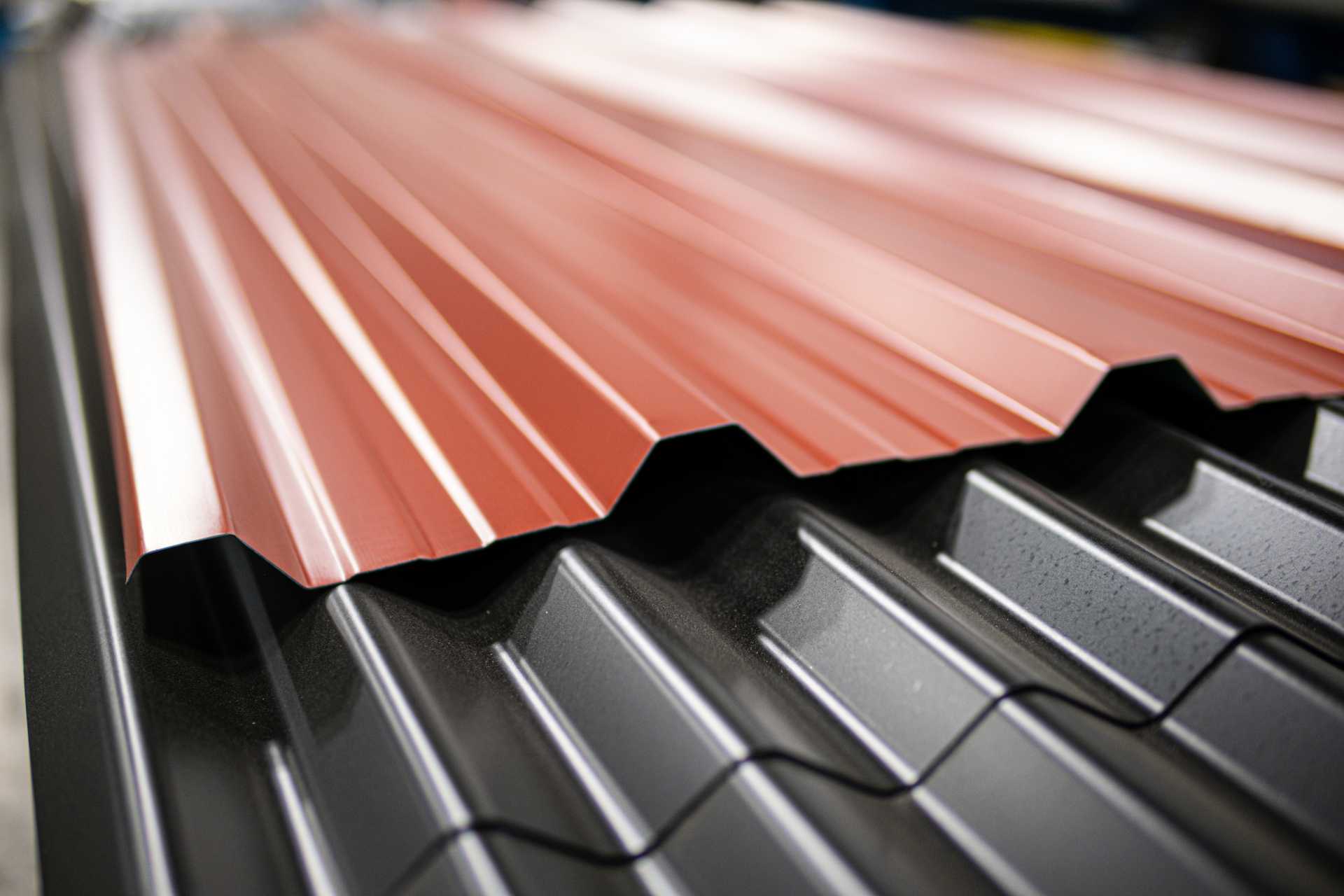
The classic wavy metal panel is rapidly moving away from its historical associations with agricultural barns and industrial warehouses. High-end contemporary designers now celebrate corrugated profiles for their clean lines, structural rhythm, and exceptional strength-to-weight ratios. The process of corrugating a flat sheet of metal introduces repeated geometric folds that dramatically increase the panel’s stiffness.
This unique shape serves an equal balance of beautiful form and rugged function. From a performance standpoint, the corrugated geometry allows thin, lightweight sheets to span longer distances between support structures without sagging. Aesthetically, the repeating crests and valleys catch the moving sunlight throughout the day, creating shifting shadows that add visual depth to the home’s silhouette.
The Mechanical Reality: Exposed Fastener Engineering and Thermal Shifting
Unlike standing seam systems that hide their clips beneath interlocking joints, standard corrugated panels rely on an exposed fastening system. This installation method requires driving torque-calibrated screws with neoprene washers directly through the top of the metal corrugation waves. Because these fasteners remain visible, they must be arranged in perfectly straight, laser-aligned rows to maintain a clean appearance.
Metal panels expand and contract continuously as ambient outdoor temperatures swing between seasonal extremes. This constant thermal movement places repetitive shear stress on the screw holes and the rubber sealing washers over time. Hiring the right metal roofing contractor ensures that your panels are pre-drilled with matching expansion allowances, preventing the fasteners from backing out or wallowing out the metal sheet.
Advanced Profile Dynamics: Sinusoidal vs. U-Panel Geometry
The specific shape of the corrugation wave heavily dictates both the architectural look and the overall water-shedding performance of the roof system. The traditional sinusoidal profile features smooth, continuous S-curves that distribute wind loads evenly across the surface. This classic shape excels at diffusing bright sunlight, which softens the metallic glare and hides minor structural imperfections on the roof deck.
In contrast, square-crested U-panel or box-rib geometries offer a sharper, more industrial aesthetic that coordinates beautifully with clean, minimalistic designs. These flat-bottomed channels are engineered to handle a much higher volume of rushing water during intense downpours. Selecting the wrong profile for a low-slope roof can trap standing water in the overlapping panel seams, leading to premature rust and moisture infiltration.
Material Performance: Galvanized Steel vs. Architectural Aluminum
The base metal beneath the exterior paint finish plays a massive role in determining how well your roof will resist localized climate hazards. Heavy-gauge galvanized steel is incredibly popular because its zinc protective layer shields the core metal from oxidative rust. Steel provides superior impact resistance against heavy falling tree limbs and flying storm debris, keeping your structural envelope uncompromised.
For properties located near saltwater coastlines or high-humidity zones, lightweight architectural aluminum offers an incredibly durable alternative. Aluminum forms its own natural oxide film that completely prevents deep structural corrosion over its entire lifespan. Evaluating these underlying material traits helps you pinpoint exactly the type of metal roof that is perfect for your home and geographical location.
Protecting the Finish: Preventing Premature Surface Failure
The long-term visual appeal of corrugated panels depends entirely on the chemical quality of the factory-applied resin coating. Cheaper, low-grade polyester paints break down rapidly under constant exposure to harsh solar ultraviolet radiation. This chemical breakdown ruins the look of the structure and leaves a fine, white powdery residue across the panels.
A critical variable in exterior engineering is the structural impact of asymmetric deck preparation, especially when combined with flawed attic ventilation calculations. Installing a premium metal system over an unventilated attic traps warm, humid household air directly beneath the roof deck. This hidden moisture accumulation creates an intense greenhouse effect, slowly rotting the structural plywood sheathing from the inside out and rusting the metal fasteners long before the exterior coating ever shows signs of atmospheric wear.
Metal roof chalking is the clear structural sign that your exterior paint resin is thinning and losing its protective bond. Opting for a premium PVDF coating ensures your corrugated panels resist this powdering and maintain their deep colour formulation for decades. Ensuring your installer sources these top-tier chemical finishes protects your initial investment from early fading and unsightly cosmetic weathering.
Modern Architectural Applications: Exterior Accents and Full Envelopes
Forward-thinking designers are actively breaking traditional boundaries by utilizing corrugated panels across multiple areas of the home’s exterior envelope. Running corrugated sheets vertically as wall cladding creates a gorgeous, low-maintenance rain-screen system that stands out from standard wood siding. This technique adds vertical height to low-profile homes and provides a durable barrier against ground-level impacts and pests.
Integrating these industrial panels into modern residential design requires a careful eye for material balance and contrasting textures. Combining corrugated metal sections with warm, natural wood features or large glass openings creates an exquisite balance of raw strength and refined elegance. This design methodology forms the core of modern metal roofing architecture, transforming standard homes into high-end structural masterpieces.
The Hidden Costs of Cut-Rate Sourcing and Uncertified Crews
Investing in a premium corrugated system requires a financial commitment to quality materials and skilled, precision labour. Attempting to cut corners by purchasing thin, low-grade utility metal or hiring unbonded crews results in a cheap roof that fails within a few seasons. Low-quality metal panels are prone to severe oil canning, rapid rust formation, and fastener failure under high winds.
Subcontractors who lack specific training in corrugated metal setups often over-torque the exposed screws, crushing the rubber washers instantly. This simple error destroys the watertight seal around every single fastener penetration point, inviting slow leaks into your attic space. Spending the money upfront on master craftsmanship protects your home from expensive rot remediation and premature system failure.
Structural Evaluation: Preparing Your Deck for Corrugated Panels
A successful corrugated metal installation requires a perfectly flat, structurally sound underlying wooden deck assembly. If your existing plywood deck is sagging, warped, or rotted, the metal panels will bend and twist as they are fastened down. This twisting creates immense mechanical stress along the panel overlaps, pulling the seams apart and exposing the interior to water damage.
Before any metal sheets are laid down, a certified crew will inspect the roof sheathing and replace any compromised wood panels. They will then install a high-temperature, self-healing synthetic underlayment across the entire deck to provide a secondary moisture barrier. This detailed preparation ensures that your corrugated roof remains perfectly aligned, mechanically stable, and fully watertight for its entire operational life.
Elevating Form and Function Through Advanced Corrugated Design
A corrugated metal roof is a highly versatile, structurally superior option that seamlessly fuses modern architectural beauty with lifetime durability. The unique geometric profile provides unmatched mechanical strength, allowing your home to easily withstand the most abusive weather conditions. When choosing the right metal roofing style, refusing to compromise on material thickness and premium UV-resistant finishes ensures you secure a high-performing real estate asset. Investing in master-level corrugated craftsmanship ultimately delivers an enduring design statement, robust structural protection, and absolute peace of mind for the long term.