
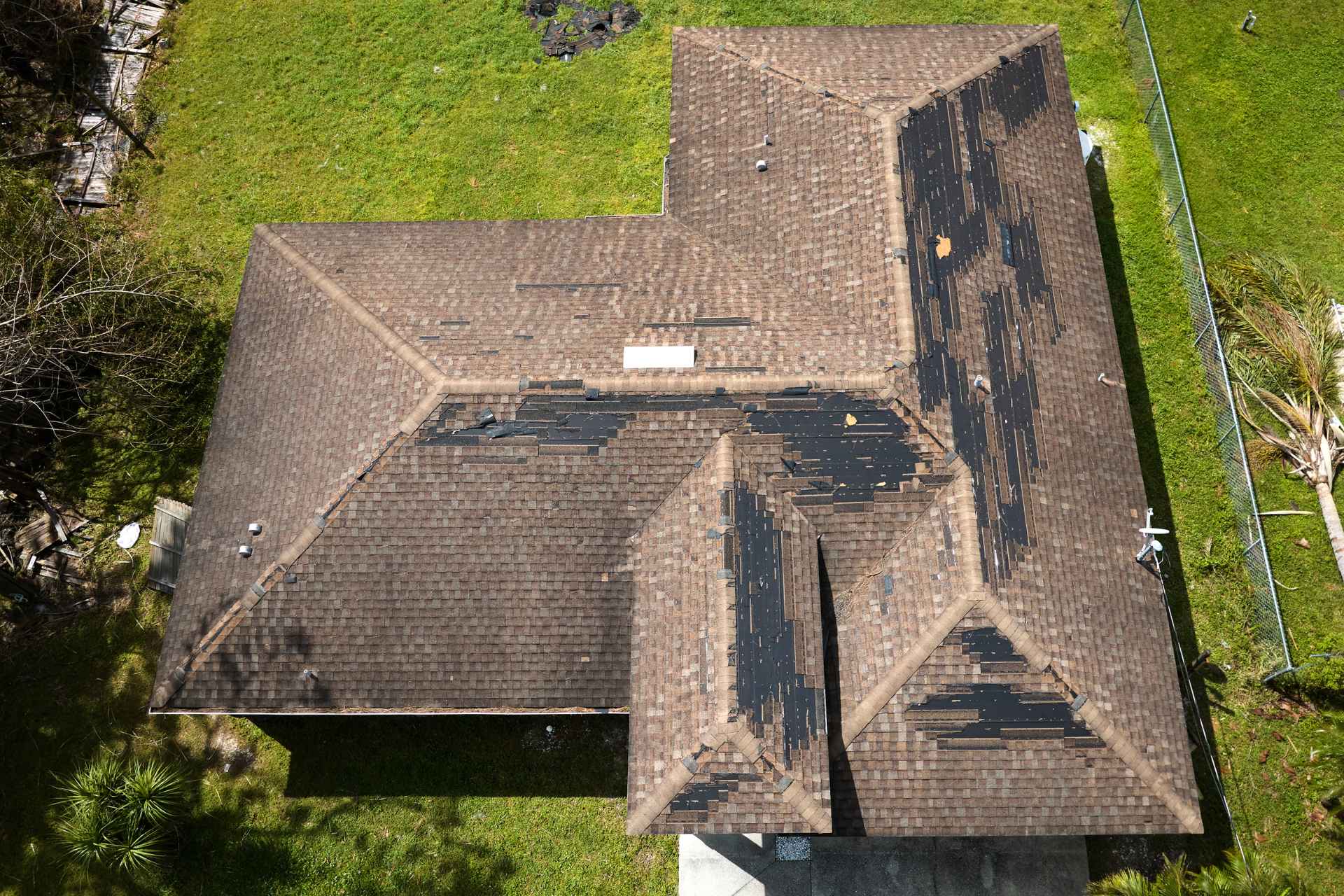
A home’s exterior cladding operates as a silent defence mechanism against severe environmental stress. In northern climates, intense seasonal weather shifts subject residential properties to high-velocity winds, rapid thermal expansion, and heavy winter precipitation. When a roofing assembly begins to fail, recognizing early roofing red flags prevents minor vulnerabilities from becoming structural disasters. Ignoring these early micro-breaches allows moisture to penetrate structural framing, degrade attic insulation, and compromise the building envelope. Upgrading to high-performance metal roofing eliminates these failure points by establishing an impenetrable, long-lasting barrier over your property.
Identifying structural vulnerabilities requires systematic observation and diagnostic care. Just as scheduling a routine eye exam reveals microscopic health changes long before they noticeably impair your vision, conducting regular visual roof assessments identifies subtle structural defects before they trigger catastrophic internal leaks. Water following rafters down to ceiling drywall or pooling around foundation margins often originates from a compromised roof line. Catching these warning signs early allows property owners to transition from temporary patching to permanent, high-durability protection.
The Quick Edit
- The Core Vulnerability: Aging asphalt shingles curl, lose protective granules, and split along seam lines, creating direct channels for water infiltration and internal structural rot.
- The Engineering Solution: Replace failing asphalt shingles with engineered architectural metal panels anchored over solid sheathing and high-temperature underlayments.
- The Strategic Benefit: Metal roofs provide permanent weather protection, eliminate recurring replacement cycles, reduce long-term capital expenditure, and enhance curb appeal.
Red Flag 1: Granule Depletion and Gutter Silt Accumulation
Asphalt shingles rely on a thick layer of crushed mineral granules embedded in a petroleum base to reflect harmful ultraviolet rays and resist physical weathering. As shingles age and volatile oils evaporate, these granules detach during normal rainfall events and wash down the roof slope.
When you notice a heavy accumulation of dark, sand-like silt collecting in your gutter troughs or at the base of downspouts, your shingles are losing their primary defence against solar radiation. Once granule loss reaches an advanced stage, the underlying fibreglass or organic mat becomes directly exposed to sunlight. This accelerates brittleness, causes surface cracking, and leaves the shingle completely defenceless against high-velocity rain and hail impacts.
Red Flag 2: Cupping, Curling, and Edge Lifting
When asphalt shingles lose their flexibility due to constant thermal stress and moisture absorption, the edges begin to curl upward (cupping) or the centers buckle (clawing). This physical distortion breaks the factory adhesive seal meant to bind overlapping shingle courses together into a continuous membrane.
Lifting edges create severe aerodynamic vulnerabilities during high-wind events, allowing gale-force gusts to catch the underside of the material and peel large sections away from the deck. Furthermore, unsealed shingles invite capillary water draw. Wind-driven rain easily forces its way upward under curled edges, bypassing the primary shedding layer and soaking into the underlayment below.
Red Flag 3: Spongy, Deflecting, or Sagging Roof Decking
A healthy roof surface should feel entirely rigid and solid beneath your feet. If you notice a soft, “spongy” sensation when walking across the roof—or if visible dips and sags appear along the ridge lines or roof planes—the underlying wood sheathing has been severely compromised.
Sagging decking occurs when chronic micro-leaks penetrate the underlayment, causing the plywood or OSB panels to absorb water, swell, and rot. Over time, the saturated wood loses its structural integrity and fastener-holding power. Installing metal panels over a solid wood substrate guarantees that proper sheathing provides structural rigidity, backing up the exterior cladding so panels do not deflect under wind uplift or dynamic snow loads.
Red Flag 4: Flashing Separation and Sealant Failure
Roof flashings—the thin metal strips installed around chimneys, skylights, plumbing vents, and wall intersections—are designed to direct water away from high-vulnerability junctions. However, temperature fluctuations cause flashings and their surrounding sealants to expand and contract at rates different from the surrounding roofing materials.
Over time, exposed caulk dries out, cracks, and flakes away, while metal step flashings pull away from vertical brick or siding interfaces. When flashing seals fail, gravity channels rainwater directly into interior wall cavities, often destroying wall insulation, interior lath, and ceiling drywall long before a leak becomes visible on the surface.
Red Flag 5: Interior Attic Moisture, Mould, and Water Staining
Some of the most dangerous roof failure red flags occur inside the home. Conducting a periodic attic inspection with a flashlight can reveal hidden moisture migration before it causes structural framing failure.
Dark, ringed water stains along rafter boards, damp or matted insulation, rust forming on exposed nail tips, or a persistent musty odour are clear indicators of structural leakage or severe attic condensation. When moisture infiltrates the unconditioned attic space, it fosters toxic black mould spores and rots the primary wood trusses that support your overhead structure.
Red Flag 6: Ice Damming and Eave Freeze-Thaw Degradation
In cold climates, recurring ice dams along the roof eaves serve as a glaring indicator of building envelope thermal failure. Ice dams form when attic heat escapes through poorly insulated ceilings and under-ventilated roof decks, melting the underside of the snowpack. This meltwater trickles down the warm roof slope until it hits the cold, unheated eave overhang, where it refreezes into a solid ice ridge.
As ice builds up, trapped meltwater pools behind the barrier and forces its way horizontally underneath conventional shingles. This freeze-thaw expansion strips away roofing fasteners, delaminates edge plywood sheathing, and channels freezing water directly into interior soffits and exterior wall cavities.
Installation Standards and Structural Weight Considerations
While metal panels offer superior durability, system integrity depends entirely on proper engineering and installation. Understanding the negative results of poor metal roof installation—such as over-driven fasteners, misaligned flashing joints, or inadequate expansion gaps—highlights why certified installation protocols matter. Incorrectly installed panels can buckle during thermal expansion cycles or leak around exposed screw washers, negating the material’s inherent lifespan advantages.
Furthermore, property owners updating historic structures often worry about structural weight capacities. In reality, metal roofing is actually safer for older homes because lightweight steel and aluminum panels place far less dead load on aging timber trusses than heavy asphalt shingles or clay tiles. A typical metal roof weighs approximately 50 to 150 pounds per square foot (100 sq. ft.), compared to 250 to 400 pounds for standard asphalt shingles, reducing structural stress during heavy winter snowfalls.
Repair vs. Replacement: Strategic Capital Decisions
When faced with recurring leaks or storm damage, property owners must decide whether temporary fixes remain cost-effective. Carefully choosing between repairing or replacing your metal roofing or asphalt surface depends on the age of the installation, the extent of substrate moisture damage, and overall life-cycle costs. Repeatedly patching an aging asphalt roof diverts financial capital into a deteriorating asset, whereas investing in a full metal conversion secures permanent building envelope protection.
Modern metal assemblies deliver unparalleled structural defence across every climate zone. The exceptional impact resistance of metal roofing allows panels to withstand high-velocity hail strikes and flying branch impacts without puncturing or losing surface integrity. The high ductile strength of engineered alloys ensures that even under dynamic storm conditions, the underlying weather barrier remains fully sealed.
For property owners seeking industrial-grade protection alongside elevated visual design, the elegance of standing seam metal roofing offers the gold standard. Featuring raised interlocking seams and completely concealed clips, standing seam systems eliminate exposed screw penetrations, ensuring a sleek, modern aesthetic that guarantees leak-proof performance for generations.
Total Building Envelope Resilience
Ignoring the warning signs of a failing roof exposes your property framing, interior living spaces, and structural foundation to escalating moisture damage. Continuing to apply temporary patches to a worn-out asphalt surface drains capital without solving the underlying material degradation. By upgrading to a Class 4 impact-resistant, lightweight metal roofing system, you eliminate chronic maintenance cycles, prevent hidden wood rot, and secure your property’s structural equity for decades to come.