Investing in premium metal roofing is one of the smartest decisions a property owner can make to ensure long-term structural durability. When properly executed, a modern steel or aluminum panel system provides an impenetrable barrier against torrential rain, heavy snow loads, high winds, and seasonal ice dams. When buying or selling a residential property, a knowledgeable and experienced real estate agent will often meticulously check the age, brand, and physical condition of the roof system to justify premium market pricing or negotiate credits.
Understanding the structural dangers of improper workmanship is essential when assessing your home’s exterior performance and protecting your hard-earned property equity over time. Mechanical roof systems require absolute precision to function correctly. A single installation shortcut can set off a cascading chain reaction of structural decay that quietly destroys your home from the top down, meaning certified execution is always worth the investment.
The Quick Edit
- The Washer Warning: Overtightened or crookedly driven screws split their protective neoprene washers, which quickly create open pathways for water intrusion.
- The Invisible Rot: Choked attic ventilation combined with a missing synthetic underlayment traps moisture underneath cold steel panels, rotting the structural wood deck.
- Flashing Shortcuts: Substituting cheap silicone caulk for proper mechanical flashing layers at valleys and chimneys is a primary cause of premature system failure.
Fastener Failures: The Danger of Overtightened Washers
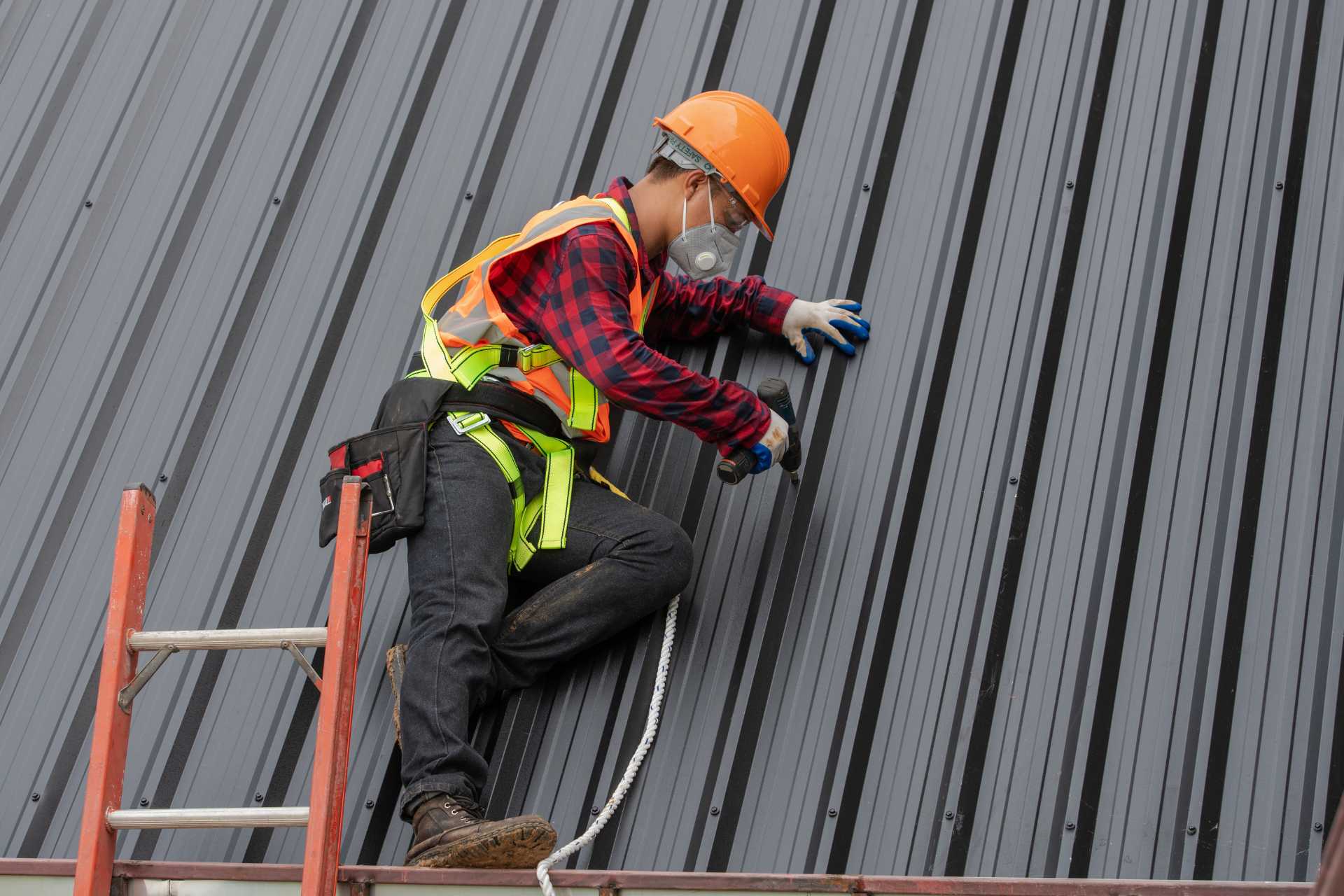
The absolute most common error found in residential roofing systems centers around exposed screw installations. Unlike standing seam roofs that feature hidden clips, exposed fastener systems rely on thousands of wood-screws penetrating the exterior face of the panels. Metal panels experience significant movement as temperatures fluctuate throughout the day. To accommodate this natural shifting, screws must be driven perfectly straight and at a precise mechanical depth.
When an inexperienced contractor uses an uncalibrated impact driver or fails to adjust their clutch settings, they routinely over-torque the fasteners. This crushing force exerts immense pressure on the rubber neoprene washer situated underneath the metal screw head. Once the rubber fractures or deforms from over-tightening, it completely loses its elasticity and fails to seal the metal puncture hole. Conversely, under-tightened screws leave a visible gap between the washer and the panel, offering no water protection whatsoever.
As time goes on, these thousands of compromised entry points allow rainwater to seep directly into the underlying wood structure. This continuous water entry triggers localized corrosion around the screw hole and slowly rots out the structural framing underneath. The wood around the screw shaft eventually softens, losing its grip and causing the screw to back out completely under high winds.
Furthermore, screws driven at crooked angles fail to sit flush against the metal plane. This leaves one side of the neoprene washer completely crushed while the opposite side is raised, inviting wind-driven rain to pass underneath. Over a standard ten-year period, a roof with hundreds of crooked or over-driven screws can develop a widespread, slow-dripping leak network that completely destroys your ceiling drywall.
The Hidden Trap: Condensation and Attic Under-Ventilation
A major technical issue is the dynamic creation of condensation under steel panels. Metal is a highly efficient thermal conductor. This means it cools down rapidly whenever ambient external temperatures drop at night. When warm, humid air from inside the home rises up into the attic space, it hits the cold underside of the metal panels, creating dew points.
If an inexperienced installer fails to install a high-performance breathable synthetic underlayment across the entire roof deck, this moisture cannot drain away safely. The temperature clash turns the bottom of your roof into an active condensation factory. Without a proper thermal barrier or vapour protection layer, water drops continually drip directly onto the plywood roof deck below. This constant dampness creates an ideal breeding ground for toxic black mould and wood-destroying fungi.
The issue becomes much worse if the contractor cuts corners on the intake and exhaust ventilation systems. Trapped humidity accelerates fungal growth, breaks down the structural glue inside oriented strand board (OSB) decking, and triggers widespread sagging across the roofline. This moisture accumulation completely destroys the structural load-bearing capacity of your roof, putting the home at risk during heavy snow accumulations.
Reviewing your metal roofing warranties is critical here, as material coverage almost never covers internal moisture damage caused by poor ventilation design. Most premium manufacturers will void your finish and structural warranty entirely if they discover the attic space was choked off from proper airflow balances.
Flashing Failures at Critical Junctions
Valleys, dormers, chimneys, and sidewall transitions represent the most vulnerable areas on any roof layout. These specific zones handle the highest volume of moving water during heavy storms and spring melts. Unfortunately, they are also where bad workmanship shows its true colours almost immediately. A professional roofer treats flashing as a mechanical puzzle, whereas an amateur contractor treats it as a caulking project.
Amateur installers regularly rely on heavy layers of roof cement, asphalt tar, or cheap silicone caulk to seal these complex junctions. While caulking looks fine initially, it degrades quickly under constant UV exposure and freezing winter temperatures. Within a few short seasons, the dried sealant shrinks, cracks, and pulls away from the slick metal surface. Water is then free to pour directly behind the panels into the home’s living spaces.
Improper flashing is a leading possible cause of roof damage that can quietly destroy interior ceilings before a leak becomes visibly obvious downstairs. True professional installation requires complex, multi-layered mechanical flashing systems. This includes custom-bent metal valleys, counter-flashing, step-flashing, and interlocking hems that direct water safely over the panels through gravity alone.
When flashing a chimney, a certified pro installer cuts a reglet groove directly into the brick mortar joints to lock the counter-flashing into place. A cut-rate installer will simply press a flat piece of metal against the brick and run a bead of caulk along the top edge. When that single bead of caulk splits open due to the house settling, rain running down the brick face slips right behind the flashing sheet.
Real-World Signs Your Metal Roof Was Installed Incorrectly
Property owners do not always need to climb onto a steep slope to identify poor workmanship. A quick, methodical visual audit from ground level often reveals critical issues that justify hiring an independent inspector.
Look across the roof plane during a sunny morning to inspect the overall layout. If your metal roof was correctly installed, the panels should appear perfectly flat, uniform, and straight along the entire eave line. Panels must align precisely with the square of the building structure; if they are laid out crookedly at the start, the error amplifies across the roofline.
Ground-level inspections can also help you spot structural buckling. Watch how the sun bounces off your roof’s glossy finish. If you notice a wavy, distorted look running across the flat sections of the metal panels, you are witnessing a structural defect known as oil canning.
This buckling occurs when installers pin panels down too tightly. It leaves no room for the metal to expand naturally during periods of extreme summer heat.
Additionally, keep an eye out for deep roof scratches across the panel faces. These often occur when uncertified crews carelessly drag metal sheets over one another during staging or use improper footwear on the deck. If these scratches penetrate the paint and zinc coating, they will develop red rust stains within months, ruining the exterior look.
Other obvious ground-level red flags include mismatched colour lots, crooked panel seams, exposed edge cuts that show jagged raw steel, and loose flashing profiles that visibly flutter in high winds. If your ridge cap looks crooked or waves up and down, the structural framing or the panel closures underneath are fundamentally misaligned.
Prioritizing Structural Workmanship
A premium steel roof is a major investment that should easily protect a property for half a century or more. However, using sub-standard installation techniques drops the lifespan of top-tier materials down to that of a basic asphalt shingle.
By learning to spot missing underlayments, over-driven fasteners, and lazy flashing shortcuts early, you can hold your contractor accountable. Protecting your property means choosing verified expertise over cheap labour every single time. Tight control over installation quality ensures your roof remains a high-performance shield for your family. Never let a contractor rush the details, because fixing an incorrectly installed metal roof often requires a complete, costly tear-off.